When someone dies in North Carolina, their car doesn’t automatically belong to anyone else, and its registration and insurance don’t sort themselves out. What happens next depends mostly on one question: how was the vehicle titled?
- Titled jointly with right of survivorship: The surviving co-owner can usually retitle it with the title and a death certificate. No probate is needed.
- Titled in the decedent’s name alone: The vehicle generally becomes part of the estate. North Carolina’s DMV will transfer it based on a certified copy of a probated will, letters of administration, a clerk’s certificate assigning it to a surviving spouse, or, in limited cases, an affidavit signed by all heirs (N.C. Gen. Stat. § 20-77(b)).
Meanwhile, two things need immediate attention:
- Keep insurance in place while the plate is still active.
- Don’t let anyone sell or give away the car until someone has legal authority to transfer it.
Here’s how each piece works.
Step One: Check How the Vehicle Is Titled
Find the title, usually in a desk drawer, safe, or file box, and look at the owner section.
| How the Title Reads | What Usually Happens |
| Joint owners “with right of survivorship” | The surviving owner retitles it with the title and a certified death certificate |
| Joint owners without survivorship language | The decedent’s share generally passes through the estate |
| Decedent’s name only | The car is an estate asset. Transfer requires estate authority or a qualifying heir affidavit |
| A lender is listed as lienholder | The loan must be paid off, refinanced, or assumed before the lender releases the lien |
If you can’t find the title, a duplicate can be requested from NCDMV once someone has authority to act for the estate.
Who Can Transfer a Deceased Person’s Car in North Carolina?
The Executor or Administrator
Once appointed, the executor (or administrator, if there’s no will) holds title to the decedent’s personal property, including vehicles, for purposes of settling the estate (§ 28A-15-2). The executor can transfer the car to the beneficiary entitled to it. The executor can also sell it, publicly or privately, without a court order (§ 28A-16-1). The sale must be reported in the executor’s next accounting.
The DMV will want the signed title, a title application, and a certified copy of the executor’s letters testamentary or letters of administration.
A Surviving Spouse Through the Year’s Allowance
A surviving spouse can receive the vehicle as part of the spousal year’s allowance. The clerk of superior court then issues a certificate showing the vehicle was assigned to the spouse, and the DMV transfers title based on that certificate.
All the Heirs, by Affidavit, in Limited Cases
North Carolina offers a shortcut in certain situations. It applies when:
- The decedent died without a will, no administrator has qualified, and no year’s allowance certificate has been issued, or
- The decedent left a will in a small estate where the clerk finds that probate and administration aren’t justified, no interested party demands them, and the will is filed with the clerk.
In those situations, the DMV may transfer the vehicle based on an affidavit signed by all heirs. The affidavit must state, among other things, that no administration is pending or expected and that all debts have been paid or that the sale proceeds will be used to pay them (§ 20-77(b)). A surviving parent may sign on behalf of minor children who don’t have a guardian.
Two cautions: every heir must sign, and a transfer by affidavit doesn’t wipe out any creditor’s lien.
Small Estate Affidavit
When the decedent’s personal property falls under North Carolina’s small estate limits, the vehicle can often be handled through a small estate affidavit filed with the clerk, instead of a full administration.
Registration and License Plates
Registration and plates are tied to the owner, and North Carolina requires continuous liability insurance on every registered vehicle. That creates a timing trap many families fall into.
NCDMV’s rule: turn in the license plate before canceling liability insurance. Canceling insurance first can trigger a lapse penalty (NCDMV).
- Car being kept or driven by the family: Keep insurance in force until the title and registration are transferred.
- Car sitting unused: Surrender the plate at a license plate agency, keep the receipt, and only then cancel coverage.
- New owner: Expect to title and register the vehicle in their own name and to show proof of their own insurance.
Plate rules can vary based on who receives the car, so ask the license plate agency before assuming a plate can stay with the vehicle.
Can You Drive a Deceased Person’s Car?
Legally, the car must be registered and insured to be driven on public roads. Practically, check with the insurance company first. Coverage after the named policyholder’s death depends on the policy’s terms and the insurer’s rules. Many insurers want to hear from the family quickly.
Before anyone drives the car, confirm:
- The insurance is active and covers the person driving.
- The registration is current.
- Someone with authority has agreed. Until the car is transferred, it generally belongs to the estate or the surviving joint owner.
If someone drives without coverage and causes an accident, the consequences can fall on the driver and create claims involving the estate.
Selling a Deceased Person’s Car
- Only someone with authority can sign the title. That means the executor, the surviving joint owner, or the parties authorized under an affidavit procedure.
- Pay off or address any loan first. The lien must be released before a clean title can pass to a buyer.
- Complete the odometer and damage disclosures that apply to any North Carolina title transfer.
- Record the sale in the estate’s accounting, and deposit the proceeds into the estate bank account.
- Consider the family first. Beneficiaries sometimes prefer to keep a vehicle as part of their share rather than see it sold.
For an overview of how assets move to beneficiaries, see how estate assets are distributed after death.
A Checklist for Families
- Locate the title, registration card, loan paperwork, and insurance policy.
- Call the insurance company to report the death and confirm coverage.
- Secure the car and keys. Don’t let anyone take or sell it informally.
- Decide whether the car will be kept or stored. If it’s stored, surrender the plate before canceling insurance.
- Identify the right transfer route: survivorship, an estate administration, the year’s allowance, or an heir affidavit.
- Gather certified death certificates and any required letters or clerk certificates.
- Complete the DMV paperwork through a license plate agency or by mail.
- Keep copies of everything for the estate’s records and accountings.
Plan Ahead: Make It Easier on Your Family
A few planning steps can spare your family trips to the DMV and the clerk:
- Title vehicles jointly with right of survivorship when it fits your goals, such as with a spouse.
- Coordinate vehicles with your will so there’s no question who receives each one.
- Keep titles organized with your estate planning documents.
- Consider a trust for high-value, collectible, or multiple vehicles.
Learn more about how we build estate plans and wills.
How Our Personalized Approach Helps
Vehicle transfers seem simple until the title is missing, a lender is involved, or the heirs don’t agree. Our personalized approach starts with your specific situation. We identify the fastest legitimate transfer route, prepare the court and DMV paperwork, and fold the vehicle into the rest of the estate administration so nothing is missed.
Our probate and estate administration team has helped more than 4,000 North Carolina families. Our founder, Paul Yokabitus, has been recognized as a Business North Carolina Legal Elite attorney, a Super Lawyers Rising Star, and one of the Triangle Business Journal’s 40 Under 40. We’re also proud to support organizations like Triangle Disability & Autism Services and the Miracle League of the Triangle.
It starts with a free Discovery Call, where we learn about your situation and make sure we’re a good fit. From there, you’ll meet with one of our attorneys for a free Initial Strategy Meeting to talk through your options, the services you need, and pricing options tailored to your family.
Frequently Asked Questions
Do you need probate to transfer a car title in North Carolina?
Not always. Vehicles titled with right of survivorship pass to the surviving owner. Some estates qualify for an heir affidavit, a spousal year’s allowance assignment, or a small estate procedure. Otherwise, the executor transfers the car through the estate.
How long can a deceased person’s car stay registered?
There’s no reason to rush the plate, but the registration must stay insured while it’s active. If the car won’t be insured or driven, surrender the plate before canceling the insurance.
Can a family member keep driving the car during probate?
Only if the car is properly insured and registered and the person with authority over the estate agrees. Check with the insurance company first.
What if the car still has a loan?
The lender’s lien stays in place. The loan must be paid off, refinanced, or otherwise resolved before the title can transfer free of the lien.
Get Help Sorting Out a Loved One’s Vehicles
From the DMV counter to the clerk’s office, we can take this off your plate. Contact us to schedule your free Discovery Call.
We proudly serve all of North Carolina, with attorneys based in Cary and Raleigh.
Author Bio

Paul Yokabitus
Founder & Estate Planning Lawyer
Paul Yokabitus is the founder of Cary Estate Planning, where he helps North Carolina families protect what matters most through wills, trusts, probate, and special needs planning. Known for his “planning, not paperwork” approach, Paul turns complex legal concepts into clear, practical strategies so clients feel informed and confident at every step. He has been recognized as a Business North Carolina Legal Elite attorney and a Super Lawyers Rising Star, and was named to the Triangle Business Journal’s 40 Under 40. A graduate of Campbell University School of Law, Paul lives in the Triangle with his wife, Alix, and their two sons.
Linkedin | Avvo | SuperLawyers







How We Help North Carolina Families


Paul and his team at Cary Estate Planning are fully committed to creating a personalized experience to develop thorough and comprehensive estate plans. They value their clients and go above and beyond to make sure that no details are missed. I would highly recommend Paul to anyone looking to create an estate plan.

I was referred to Paul by my Real Estate Attorney and I could not say enough about how exceptional the client service has been from everyone I spoke to. The communication is prompt and I feel like they really took the time to answer all my questions and set things up exactly as I wanted, but also recommended things to make it easier on my family down the line.
After attending one of Paul’s estate planning seminars, my husband and I knew we wanted Paul to assist us with our estate planning. His honest, professional approach to this necessary part of life put us at ease with the process. We will continue to recommend Paul and Cary Estate Planning.

We had a great experience working with Paul Yokabitus and the team at Cary Estate Planning to set up our Will and Estate Plan. The process was clear and easy, and in the age of COVID, our signing session was very well done, easy, and safe.

The Cary Estate Planning team will make sure that you have the information you need to be confident in your estate planning decisions. I learned so much from videos, a one-on-one in-person consultation, the website, emails, and a newsletter mailed the old fashioned way. The fee is very reasonable given the importance of estate planning. No matter the size or number of your assets, don’t procrastinate like I did!

Paul is a masterful attorney. He’s very good at taking your intentions and defining that into a durable Trust and Will. Best of all he is as simple and plain-spoken as you like. Or as fast as intellectual as you may be. It’s all about your your speed and your desired outcomes. Would strongly recommend this firm.
Trusted Estate Planning
Attorney Offices in Cary and Raleigh
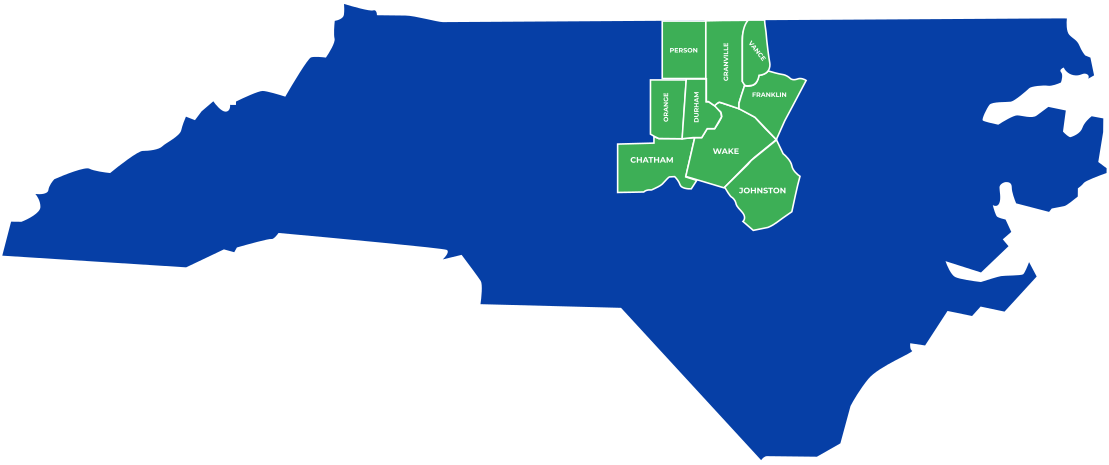

Capability to meet virtually to help all NC residents