Hiding assets from a North Carolina estate rarely works for long, and the consequences can be serious. North Carolina gives families several tools for finding and recovering what’s missing:
- Examination and recovery: Any interested person can ask the clerk of superior court to examine anyone believed to be holding estate property. The clerk can order the property returned and enforce that order through contempt (N.C. Gen. Stat. § 28A-15-12).
- Removal of the executor: An executor who hides or mishandles assets can be removed for violating a fiduciary duty (§ 28A-9-1).
- Personal liability: Executors are personally responsible for losses caused by embezzlement, commingling, or self-dealing (§ 28A-13-10).
- Criminal charges: Embezzlement by an executor, administrator, trustee, or other fiduciary is a crime in North Carolina (§ 14-90).
- Reopening the estate: Even closing the estate doesn’t end the matter. A settled estate can be reopened when other property is discovered.
If you suspect assets are missing, the key is to act methodically. Gather what you know, use the court’s tools, and avoid confrontations that make recovery harder.
Who Hides Assets and How
Hidden-asset disputes come in several forms. The right response depends on who has the property.
The Executor
An executor controls estate property, which also gives them the opportunity to misuse it. Common problems include:
- Leaving accounts or valuables off the inventory
- Mixing estate money with personal funds
- Selling estate property to themselves or family members at a discount
- Paying themselves before debts and other beneficiaries
A Family Member With Access
Often the person holding estate property isn’t the executor at all. It may be the relative who had a house key and removed jewelry, firearms, or cash in the days after the death. It may be a caregiver who “was promised” certain items. Good intentions don’t change the law. Property belonging to the estate must be accounted for.
Someone Who Managed Finances Before Death
A family member acting under a power of attorney has a legal duty to keep records of all receipts, disbursements, and transactions made on the principal’s behalf (§ 32C-1-114). Unexplained withdrawals in the months or years before a death are one of the most common sources of estate disputes. Those records can be essential evidence. Learn more about powers of attorney in North Carolina.
The Decedent
Occasionally, the person who died moved assets during life to keep them from creditors. If the estate can’t pay its debts, the executor may sue to recover property the decedent transferred with intent to hinder, delay, or defraud creditors (§ 28A-15-10(b)).
First, Make Sure the Asset Is Actually “Missing”
Many assets that seem hidden are legitimately passing outside of probate:
- Life insurance and retirement accounts paid directly to named beneficiaries
- Joint accounts with right of survivorship that pass to the surviving owner
- Payable-on-death (POD) and transfer-on-death accounts
- Property held in a trust
These assets won’t appear on the probate inventory. That’s not concealment. They simply aren’t probate property.
There’s one exception worth knowing. If the estate doesn’t have enough to pay its debts, North Carolina lets the executor reach certain survivorship accounts and securities to satisfy creditor claims. Those funds can be used only to pay creditors, not to redistribute to heirs (§ 28A-15-10(a)).
Warning Signs of Hidden Estate Assets
- The inventory is overdue or missing accounts, vehicles, or valuables you know existed
- Bank statements or brokerage mail keep arriving for accounts no one has mentioned
- Large withdrawals or transfers appear shortly before or after the death
- The decedent’s tax returns show interest or dividend income from accounts not listed
- The executor won’t answer questions or refuses to share basic records
- Personal property disappeared from the home before the executor was appointed
- The final account doesn’t reconcile with what you know about the estate
How to Find Assets Someone Is Hiding
Several practical tools can uncover missing property:
- The public estate file. Review the inventory and accountings at the clerk’s office in the county where the estate is open. See our guide to estate inventory requirements.
- Tax returns. Forms 1099 and the decedent’s last income tax return often reveal accounts and investments.
- Mail and email. Statements, renewal notices, and dividend checks point to assets.
- North Carolina’s unclaimed property database. Abandoned accounts end up with the State Treasurer, and there’s no time limit for an estate to claim them.
- Safe-deposit box rules. A box can generally be opened only in the presence of the clerk or by a qualified person, who must make an inventory of its contents (§ 28A-15-13).
- An examination proceeding. The clerk can order people to answer questions under oath about estate property.
What to Do If You Suspect Hidden Assets: Step by Step
- Document everything. Write down what you know existed, when you last saw it, and who had access. Save texts, emails, photos, and statements.
- Review the estate file for the inventory and any accountings.
- Make a specific written request to the executor for an explanation and supporting records. Keep the tone factual rather than accusatory.
- Ask the clerk to compel an accounting if required filings are late or incomplete. The clerk can order a full accounting within 20 days and remove an executor who fails to comply (§ 28A-21-4).
- File a petition to examine and recover property. This proceeding can compel testimony and order the property returned (§ 28A-15-12(b1)).
- Petition to remove the executor if the evidence shows misconduct, a conflict of interest, or a breach of fiduciary duty.
- Pursue financial recovery. An executor can be held liable for losses caused by their misconduct, and the court can reduce the commission of an executor who acts improperly. Learn more about how executors get paid.
One caution: don’t try to take property back yourself. Removing items from the home or accessing accounts without authority can create legal problems for you and weaken your position.
Consequences for Those Who Hide Assets
| Who Hid the Asset | Possible Consequences |
| The executor | Removal, personal liability for the loss, a reduced or forfeited commission, and possible criminal charges |
| A family member or third party | A court order to return the property, enforced by contempt, and potential civil liability |
| A former power of attorney agent | Liability for breaching their duties, with their own records used as evidence |
| An heir hiding lifetime gifts in an estate without a will | An heir who refuses a clerk’s order to inventory gifts they received may be treated as having received their full share (§ 29-28) |
Closing the Estate Doesn’t End the Executor’s Responsibility
Some executors assume a discharge order wipes the slate clean. It doesn’t. The discharge order does not release an executor from liability for certain breaches of duty, including embezzlement, commingling, and self-dealing (§ 28A-23-1). And when other property turns up after closing, the estate can be reopened so a personal representative can recover it (§ 28A-23-5).
For Executors: How to Protect Yourself From Accusations
Most executors are honest people doing difficult work, and a suspicious sibling can make that work miserable. These habits protect you:
- Open a separate estate account and run every dollar through it.
- File a complete inventory on time, including personal property.
- Don’t take or give away items before the estate’s debts are known.
- Get written agreement before distributing sentimental items.
- Keep every receipt, since the clerk requires proof of payments.
- Share information early and often. Transparency is the best defense against suspicion.
See how assets move from the estate to beneficiaries in how estate assets are distributed.
How Our Personalized Approach Helps
Suspecting a family member of hiding assets is painful, and so is being wrongly accused. Our personalized approach starts with a careful look at the facts before anyone takes a step that can’t be undone. We review the estate file, identify what’s actually missing, and choose the right tool, whether that’s a firm request, an accounting demand, or a petition to the clerk.
It starts with a free Discovery Call, where we listen to your concerns and confirm we’re the right fit. From there, you’ll meet with one of our attorneys for a free Initial Strategy Meeting to talk through your options, the services you need, and pricing options tailored to your situation.
Frequently Asked Questions
Is it illegal for an executor to hide assets in North Carolina?
It can be. An executor who embezzles or knowingly converts estate property can face criminal charges under North Carolina’s embezzlement statute. They can also face removal and personal liability in the estate proceeding.
Can a family member keep items they took from the house after a death?
Not if the items belong to the estate. The clerk can examine anyone believed to hold estate property, order it returned, and enforce that order through contempt.
What if assets are discovered after the estate is closed?
The clerk can reopen the estate so a personal representative can recover and distribute the newly found property.
Are life insurance and joint accounts “hidden” if they’re not on the inventory?
Usually not. These assets typically pass directly to named beneficiaries or surviving owners and aren’t part of the probate estate.
Get Answers Before Assets Disappear for Good
If something doesn’t add up in a loved one’s estate, the sooner you get clear answers, the more options you’ll have. Contact us to schedule your free Discovery Call.
We proudly serve all of North Carolina, with attorneys based in Cary and Raleigh.
Author Bio

Paul Yokabitus
Founder & Estate Planning Lawyer
Paul Yokabitus is the founder of Cary Estate Planning, where he helps North Carolina families protect what matters most through wills, trusts, probate, and special needs planning. Known for his “planning, not paperwork” approach, Paul turns complex legal concepts into clear, practical strategies so clients feel informed and confident at every step. He has been recognized as a Business North Carolina Legal Elite attorney and a Super Lawyers Rising Star, and was named to the Triangle Business Journal’s 40 Under 40. A graduate of Campbell University School of Law, Paul lives in the Triangle with his wife, Alix, and their two sons.
Linkedin | Avvo | SuperLawyers







How We Help North Carolina Families





Paul and his team at Cary Estate Planning are fully committed to creating a personalized experience to develop thorough and comprehensive estate plans. They value their clients and go above and beyond to make sure that no details are missed. I would highly recommend Paul to anyone looking to create an estate plan.

I was referred to Paul by my Real Estate Attorney and I could not say enough about how exceptional the client service has been from everyone I spoke to. The communication is prompt and I feel like they really took the time to answer all my questions and set things up exactly as I wanted, but also recommended things to make it easier on my family down the line.

After attending one of Paul’s estate planning seminars, my husband and I knew we wanted Paul to assist us with our estate planning. His honest, professional approach to this necessary part of life put us at ease with the process. We will continue to recommend Paul and Cary Estate Planning.

We had a great experience working with Paul Yokabitus and the team at Cary Estate Planning to set up our Will and Estate Plan. The process was clear and easy, and in the age of COVID, our signing session was very well done, easy, and safe.

The Cary Estate Planning team will make sure that you have the information you need to be confident in your estate planning decisions. I learned so much from videos, a one-on-one in-person consultation, the website, emails, and a newsletter mailed the old fashioned way. The fee is very reasonable given the importance of estate planning. No matter the size or number of your assets, don’t procrastinate like I did!

Paul is a masterful attorney. He’s very good at taking your intentions and defining that into a durable Trust and Will. Best of all he is as simple and plain-spoken as you like. Or as fast as intellectual as you may be. It’s all about your your speed and your desired outcomes. Would strongly recommend this firm.
Trusted Estate Planning
Attorney Offices in Cary and Raleigh
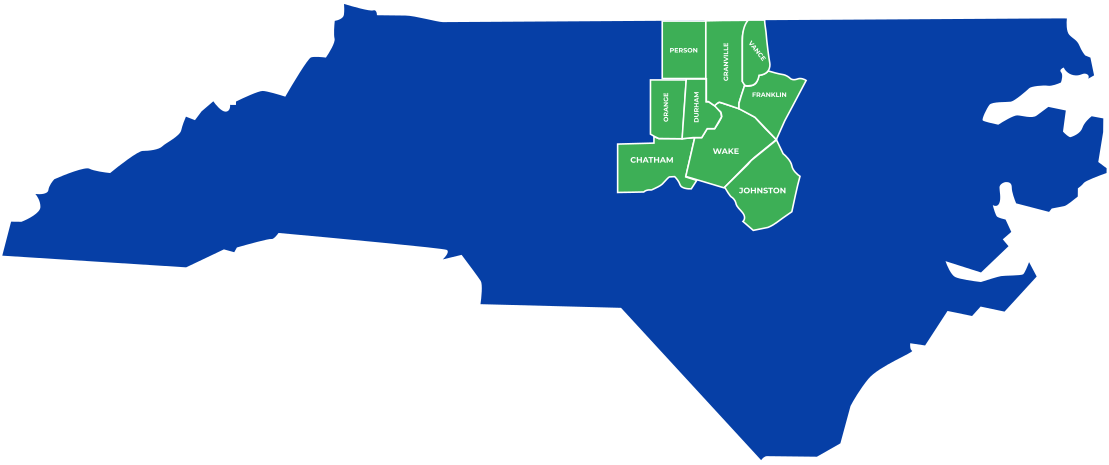

Capability to meet virtually to help all NC residents