
Converting a $500,000 traditional IRA or 401(k) to a Roth IRA can cost roughly $150,000 in upfront taxes. In exchange, your children or heirs inherit a $500,000 completely tax-free Roth IRA, rather than receiving post-tax distributions from a traditional retirement account.
Whether an aggressive Roth conversion strategy is a brilliant tax-saving move or an expensive misstep depends entirely on your age, tax bracket arbitrage, IRMAA Medicare thresholds, and long-term estate planning goals.
Here is what North Carolina residents ages 55 to 75 need to know before executing a Roth IRA conversion.
The Retirement Tax Gap and Tax Rate Arbitrage
The primary driver behind a Roth conversion strategy is tax rate arbitrage—paying taxes on your retirement capital when your tax rate is at its absolute lowest point.
The years between your retirement date and the start of mandatory Required Minimum Distributions (RMDs) often represent your lowest effective tax rate window. Executing strategic conversions during these “gap years” offers distinct advantages:
- Lower Lifetime Taxation: Paying taxes at a lower current bracket prevents massive tax hits later when mandatory RMDs force higher annual income withdrawals.
- No Lifetime RMDs: Roth IRAs carry no RMD requirements during the owner’s lifetime, allowing funds to compound tax-free indefinitely.
- The 5-Year Rule Caution: Each Roth conversion is subject to a 5-year waiting period. Withdrawing converted funds within 5 years of the conversion can trigger a 10% early withdrawal penalty.
Estate Planning Benefits Under the SECURE Act
Under federal SECURE Act rules, most non-spouse beneficiaries inheriting a traditional IRA must fully withdraw and liquidate the inherited account within 10 years, paying income tax on every dollar distributed during their peak earning years.
A Roth IRA conversion radically improves inheritance outcomes:
- Tax-Free Distributions: While inherited Roth IRAs are still subject to the SECURE Act’s 10-year rule, beneficiaries do not pay federal or state income taxes on distributions.
- Maximized Tax-Free Compounding: Beneficiaries can leave the inherited Roth IRA intact for the entire 10-year period, allowing the account to grow 100% tax-free before withdrawing the entire balance at the end of Year 10.
Beware the Hidden Surcharge Trap: IRMAA Medicare Penalties
Timing a Roth conversion is about more than evaluating standard federal income tax brackets and North Carolina’s flat state income tax rate.
Roth conversions artificially increase your Modified Adjusted Gross Income (MAGI), which can trigger IRMAA (Income-Related Monthly Adjustment Amount) surcharges on Medicare Part B and Part D premiums.
Key IRMAA risks include:
- The 2-Year Look-Back Lag: IRMAA surcharges are based on income reported two years prior. A large conversion today will increase your Medicare premiums two years down the road.
- Cliff Brackets: Crossing an IRMAA threshold by even a single dollar triggers a substantial increase in monthly Medicare premiums. Conversions should either occur before Medicare enrollment or be spread across multiple years to avoid cliff thresholds.
5 Scenarios Where a Roth IRA Conversion Does Not Make Sense
Despite social media advice encouraging everyone to convert traditional IRAs, conversions are often the wrong tool in these five specific situations:
- Short Life Expectancy: Lacking sufficient runway prevents you from recouping the upfront tax costs through tax-free growth or RMD savings.
- Nontaxable Estates: Holding predominantly taxable brokerage accounts, cash, or real estate rather than tax-deferred retirement plans.
- Low-Tax Beneficiaries: Inheriting children or beneficiaries who work in lower-income professions (such as education, non-profits, or ministry) may pay lower tax rates on traditional distributions than your current conversion rate.
- State Tax Disadvantages: Converting while living in or moving to states with heavy state income taxes can undercut potential future savings.
- Lack of Outside Cash for Taxes: Paying the conversion tax liability directly out of the IRA itself destroys the compounding benefits. Conversion taxes should always be paid using outside cash or liquid brokerage funds.
3 Questions to Ask Before Converting Your IRA
Before converting a traditional IRA, ask these three fundamental questions:
- What is your current effective tax rate compared to your future retirement rate and your beneficiaries’ prospective tax rate?
- Is your estate value above or below current estate tax exemption thresholds?
- Do you have sufficient cash on the sidelines outside the retirement account to pay the conversion tax bill?
Schedule Your Strategic Tax & Estate Planning Consultation
Deciding whether to execute a Roth IRA conversion requires carefully analyzing tax brackets, Medicare surcharges, and family estate goals. Contact our North Carolina estate and tax planning team today to schedule a personalized strategy session.
Call our team at 919-659-8433 or directly scheduling a free discovery call at your convenience: calendly.com/caryep/discovery-call-get-started-cep-blog
Author Bio
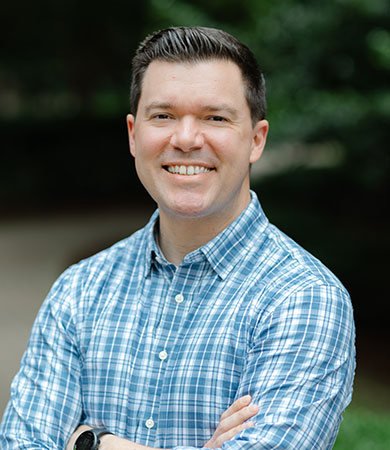
Paul Yokabitus
Founder & Estate Planning Lawyer
Paul Yokabitus is the founder of Cary Estate Planning, where he helps North Carolina families protect what matters most through wills, trusts, probate, and special needs planning. Known for his “planning, not paperwork” approach, Paul turns complex legal concepts into clear, practical strategies so clients feel informed and confident at every step. He has been recognized as a Business North Carolina Legal Elite attorney and a Super Lawyers Rising Star, and was named to the Triangle Business Journal’s 40 Under 40. A graduate of Campbell University School of Law, Paul lives in the Triangle with his wife, Alix, and their two sons.
Linkedin | Avvo | SuperLawyers







How We Help North Carolina Families


Paul and his team at Cary Estate Planning are fully committed to creating a personalized experience to develop thorough and comprehensive estate plans. They value their clients and go above and beyond to make sure that no details are missed. I would highly recommend Paul to anyone looking to create an estate plan.
I was referred to Paul by my Real Estate Attorney and I could not say enough about how exceptional the client service has been from everyone I spoke to. The communication is prompt and I feel like they really took the time to answer all my questions and set things up exactly as I wanted, but also recommended things to make it easier on my family down the line.
After attending one of Paul’s estate planning seminars, my husband and I knew we wanted Paul to assist us with our estate planning. His honest, professional approach to this necessary part of life put us at ease with the process. We will continue to recommend Paul and Cary Estate Planning.

We had a great experience working with Paul Yokabitus and the team at Cary Estate Planning to set up our Will and Estate Plan. The process was clear and easy, and in the age of COVID, our signing session was very well done, easy, and safe.

The Cary Estate Planning team will make sure that you have the information you need to be confident in your estate planning decisions. I learned so much from videos, a one-on-one in-person consultation, the website, emails, and a newsletter mailed the old fashioned way. The fee is very reasonable given the importance of estate planning. No matter the size or number of your assets, don’t procrastinate like I did!

Paul is a masterful attorney. He’s very good at taking your intentions and defining that into a durable Trust and Will. Best of all he is as simple and plain-spoken as you like. Or as fast as intellectual as you may be. It’s all about your your speed and your desired outcomes. Would strongly recommend this firm.
Trusted Estate Planning
Attorney Offices in Cary and Raleigh


Capability to meet virtually to help all NC residents