Probate does not always go as smoothly as families expect, especially when the executor is not able to serve effectively.
Sometimes the executor has become unresponsive, is mishandling responsibilities, or there is a growing conflict that is slowing everything down. When that happens, it is normal to ask whether a different person can step in.
Here’s how.
Legal Grounds for Removing an Executor
North Carolina law specifies valid grounds for revoking an executor’s authority. You cannot remove an executor simply because you don’t like them or disagree with their decisions. Valid grounds fall into several categories.
Disqualification
An executor may become disqualified from serving due to legal ineligibility. North Carolina General Statute § 28A-9-1 requires executors to meet certain qualifications:
- Be at least 18 years old
- Be mentally competent
- Not have been convicted of certain crimes
- For non-resident executors, properly appoint a North Carolina process agent
If an executor loses eligibility (for example, through a felony conviction or being adjudicated incompetent), they must be removed.
Breach of Fiduciary Duty
This is the most common ground for removal. Breaches can take many forms:
Self-Dealing: Using estate assets for personal benefit, such as:
- Living in estate property rent-free
- “Borrowing” estate funds without authorization
- Selling estate assets to themselves at below-market prices
- Using estate funds to pay personal expenses
- Giving themselves excessive compensation
Mismanagement: Failing to properly preserve and protect assets, including:
- Allowing property to fall into disrepair
- Letting insurance lapse
- Making risky investments with estate funds
- Failing to collect money owed to the estate
- Not securing valuable personal property
Delay and Neglect: Unreasonably prolonging estate administration without good cause, such as:
- Taking months or years to file required paperwork
- Ignoring court deadlines
- Failing to respond to beneficiary inquiries
- Not taking necessary steps to close the estate
Improper Accounting: Failing to maintain adequate records or file required court accountings:
- Missing receipts or documentation for estate transactions
- Commingling estate funds with personal accounts
- Inadequate record-keeping
- Refusing to provide accountings to beneficiaries
Favoring Some Beneficiaries: Acting partially rather than treating all beneficiaries fairly according to the will.
Fraud or False Representation
If an executor obtained their position through fraud, misrepresentation, or mistake, removal is appropriate. This might include:
- Lying about qualifications
- Concealing disqualifying factors
- Forging documents
- Misrepresenting the decedent’s wishes
Conflict of Interest
Sometimes an executor has interests that conflict with proper estate administration. Examples include:
- Being a major creditor of the estate
- Having ongoing litigation with beneficiaries
- Standing to benefit from estate mismanagement
- Having business interests that compete with estate assets
A conflict of interest alone doesn’t always require removal, but combined with evidence of actual harm or impropriety, it can support revocation.
The Process for Changing Executors
North Carolina law provides two primary procedures for removing an executor, each appropriate for different circumstances.
Revocation After a Hearing
This is the standard process for most removal cases. Here’s how it works:
Step 1: Filing a Verified Petition
An interested person (beneficiary, heir, or creditor) files a verified petition with the Clerk of Superior Court in the county where the estate is being administered. The petition must:
- State specific grounds for removal with supporting facts
- Include evidence or witness information
- Request revocation of the executor’s letters
- Be signed under oath (verified)
Step 2: Service and Notice
The executor must be properly served with the petition and notice of the hearing date. North Carolina requires service following the Rules of Civil Procedure, typically by:
- Sheriff’s service
- Certified mail
- Personal service by a process server
Step 3: The Hearing
The Clerk of Superior Court conducts a hearing where both sides can present:
- Witness testimony
- Documentary evidence
- Financial records
- Expert testimony if relevant
The burden is on the petitioner to prove grounds for removal. The executor can defend themselves and present counter-evidence.
Step 4: The Clerk’s Decision
After hearing evidence, the clerk determines whether removal is warranted. If the clerk finds sufficient grounds, they will:
- Revoke the executor’s letters of authority
- Order a final accounting
- Appoint a successor executor (either named in the will as alternate or selected by the court)
- Enter interim orders to protect estate assets if needed
The clerk’s decision can be appealed to Superior Court within 10 days.
Summary Revocation
In certain clear-cut situations, the clerk can remove an executor without a full hearing. Summary revocation applies when:
- The executor is shown to be disqualified
- The executor obtained their position by false representation
- The executor failed to file required accountings despite court orders
- The executor failed to appear for hearings without excuse
- The executor failed to meet statutory deadlines for filing
Even under summary revocation, the executor typically receives notice and an opportunity to be heard, but the process is faster and less formal than a full hearing.
Emergency Interim Orders
When estate assets are at immediate risk, the clerk can enter emergency orders before a full hearing:
- Suspending the executor’s authority temporarily
- Appointing a temporary administrator
- Freezing estate accounts
- Preventing sale or transfer of estate property
- Requiring the executor to post additional bond
These protective orders preserve assets while the removal petition proceeds through the system.
Who Can Seek Removal?
Not everyone can petition for an executor’s removal. You must have “standing”—a legal interest in the outcome. Those with standing typically include:
- Named beneficiaries under the will
- Heirs who would inherit under intestacy laws
- Creditors with claims against the estate
- Co-executors (if more than one executor was appointed)
- The Clerk (who can initiate removal on the court’s own motion)
General members of the public or distant relatives with no stake in the estate cannot petition for removal.
The Successor Executor
When an executor is removed or resigns, someone must step in to complete estate administration. The successor is typically:
First Priority: An alternate executor named in the will.
Second Priority: If no alternate is named, the clerk appoints someone following North Carolina’s priority statute, usually:
- Surviving spouse
- Next of kin
- Principal beneficiaries
- Creditors
- Any other suitable person
The successor executor must:
- Qualify by taking an oath
- Post bond if required (often required after removal situations)
- Appoint a North Carolina process agent if they live out of state
- Take over all pending duties
- File accountings covering their administration
Accounting Requirements for Successor Executors
The incoming executor doesn’t start with a clean slate. They must:
- Account for everything the removed executor did
- Identify any missing assets or improper distributions
- Correct problems from the prior administration
- File comprehensive accountings with the court
This is why meticulous record-keeping throughout estate administration is so important—it protects everyone involved.
When Executors Should Resign Voluntarily
Sometimes the best solution is for a struggling executor to step down voluntarily before removal becomes necessary. Resignation might be appropriate when:
- The executor realizes they lack the time or skills needed
- Health issues make continuing impractical
- Family conflicts make serving too stressful
- The executor has moved far away
- The estate is more complex than initially understood
- Work or personal obligations have increased
The Resignation Process
An executor who wants to resign must:
- File a verified petition for resignation with the clerk
- Submit a full accounting of all actions taken as executor
- Turn over all estate assets and records to the successor
- Obtain court approval of the resignation and accounting
Simply walking away is not an option. An executor remains liable for their actions until the court formally releases them. That’s why a proper accounting and court-approved resignation is essential.
Preventing Executor Problems During Probate
The best approach is preventing executor problems in the first place. When creating your estate plan, consider:
Choosing the Right Executor
Select someone who:
- Is trustworthy and financially responsible
- Has time and energy for the work involved
- Gets along reasonably well with beneficiaries
- Lives relatively close to estate assets
- Has relevant skills (if the estate is complex)
- Is willing to serve and knows what’s expected
Don’t automatically choose the eldest child or closest relative. Choose the person best suited to the task, even if that’s a trusted friend, attorney, or professional fiduciary.
Naming Alternate Executors
Always name at least one alternate in your will. Life changes—your first choice may predecease you, become unable to serve, or simply decline. Alternates prevent the court from appointing someone you wouldn’t have chosen.
Considering Co-Executors
Some people name co-executors to share the workload or provide checks and balances. This can work well but also creates challenges:
- Co-executors must agree on major decisions
- Disagreements can deadlock the estate
- Both are fully responsible for proper administration
If you name co-executors, choose people who work well together and have complementary skills.
Providing Clear Instructions
Your will should give your executor clear guidance about:
- How to distribute specific items
- Whether to sell or retain certain assets
- Handling of business interests
- How to address potential family conflicts
- Compensation expectations
The clearer your instructions, the less room for disputes about whether the executor is following your wishes.
Allowing Professional Help
Include language in your will authorizing the executor to hire professionals (attorneys, accountants, appraisers) and pay their fees from estate assets. Professional guidance helps executors avoid costly mistakes.
Protect Your Rights and Your Inheritance
From our offices in Cary and Raleigh, we serve clients throughout the Triangle with:
- Executor removal proceedings
- Defense of executors facing challenge
- Estate administration guidance for executors
- Mediation of estate disputes
- Estate planning to prevent future conflicts
- Reopening of closed estates when necessary
We begin every client relationship with a Discovery Call to ensure we’re the right fit for your needs. During your Initial Strategy Meeting with one of our attorneys, we’ll:
- Review the facts of your situation in detail
- Explain your legal options and likely outcomes
- Discuss strategies for achieving your goals
- Answer your questions about the process
- Provide honest guidance about costs and timing
Don’t let a problematic executor put your inheritance at risk, and don’t face removal proceedings without proper guidance. Contact us today to schedule your consultation and learn how our personalized approach can protect your rights during this difficult time.
The North Carolina probate system provides remedies when executors fail in their duties—but only if you act. Let our experience work for you.
Author Bio

Paul Yokabitus
Founder & Estate Planning Lawyer
Paul Yokabitus is the founder of Cary Estate Planning, where he helps North Carolina families protect what matters most through wills, trusts, probate, and special needs planning. Known for his “planning, not paperwork” approach, Paul turns complex legal concepts into clear, practical strategies so clients feel informed and confident at every step. He has been recognized as a Business North Carolina Legal Elite attorney and a Super Lawyers Rising Star, and was named to the Triangle Business Journal’s 40 Under 40. A graduate of Campbell University School of Law, Paul lives in the Triangle with his wife, Alix, and their two sons.
Linkedin | Avvo | SuperLawyers







How We Help North Carolina Families






Paul and his team at Cary Estate Planning are fully committed to creating a personalized experience to develop thorough and comprehensive estate plans. They value their clients and go above and beyond to make sure that no details are missed. I would highly recommend Paul to anyone looking to create an estate plan.

I was referred to Paul by my Real Estate Attorney and I could not say enough about how exceptional the client service has been from everyone I spoke to. The communication is prompt and I feel like they really took the time to answer all my questions and set things up exactly as I wanted, but also recommended things to make it easier on my family down the line.

After attending one of Paul’s estate planning seminars, my husband and I knew we wanted Paul to assist us with our estate planning. His honest, professional approach to this necessary part of life put us at ease with the process. We will continue to recommend Paul and Cary Estate Planning.

We had a great experience working with Paul Yokabitus and the team at Cary Estate Planning to set up our Will and Estate Plan. The process was clear and easy, and in the age of COVID, our signing session was very well done, easy, and safe.

The Cary Estate Planning team will make sure that you have the information you need to be confident in your estate planning decisions. I learned so much from videos, a one-on-one in-person consultation, the website, emails, and a newsletter mailed the old fashioned way. The fee is very reasonable given the importance of estate planning. No matter the size or number of your assets, don’t procrastinate like I did!

Paul is a masterful attorney. He’s very good at taking your intentions and defining that into a durable Trust and Will. Best of all he is as simple and plain-spoken as you like. Or as fast as intellectual as you may be. It’s all about your your speed and your desired outcomes. Would strongly recommend this firm.
Trusted Estate Planning
Attorney Offices in Cary and Raleigh
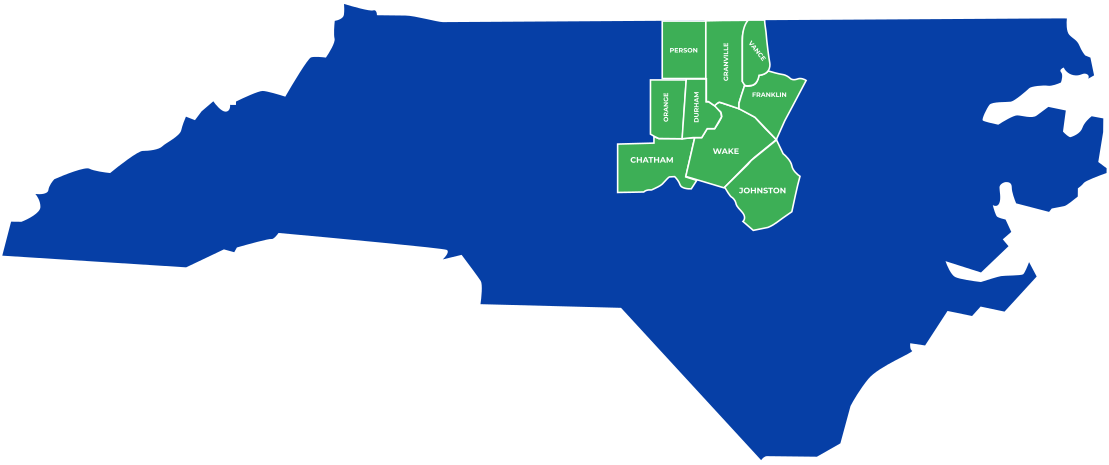

Capability to meet virtually to help all NC residents