You’ve inherited a will, but the person who died didn’t own a house or much of anything. So do you still need to go through probate?
The answer is not always straightforward because “no property” can mean different things depending on what assets actually existed.
Probate may not be required if the estate qualifies for small estate administration under North Carolina law. But in some cases, you’ll still need court involvement even if there’s no real property.
What Counts as “No Property” for Probate Purposes
When people say someone left “no property,” they usually mean no house or land. But estates often contain things beyond real estate.
Bank accounts, vehicles, retirement accounts, and personal belongings all have value and may need to be handled through probate.
Some assets don’t require probate at all, even if they had value when the person died.
These include:
- Payable-on-death (POD) bank accounts that name a beneficiary
- Life insurance proceeds with named beneficiaries
- Retirement accounts (401k, IRA) with named beneficiaries
- Transfer-on-death (TOD) investments
- Property held jointly with right of survivorship
- Assets already in a revocable trust
If the deceased person only had these kinds of assets, probate typically isn’t necessary. The money passes directly to the named beneficiaries or surviving owners without court involvement.
When North Carolina Allows Small Estate Administration Instead
North Carolina has a streamlined process for smaller estates that can save time and money.
Under N.C. Gen. Stat. §§ 28A-25-1 and 28A-25-1.1, you may be able to skip full probate and use small estate administration instead.
Here are the key requirements:
- Personal property value: Must not exceed $20,000 (minus liens and encumbrances)
- Surviving spouse exception: If the surviving spouse is entitled to all of the decedent’s property, the threshold increases to $30,000
- Waiting period: You must wait at least 30 days after the date of death before filing
- How to file: Submit an affidavit with the clerk of court instead of opening formal probate
- Which statute applies: § 28A-25-1 covers intestate estates (no will); § 28A-25-1.1 covers testate estates (with a will)
This is a strong option when someone had minimal assets, no real property, and the family can work together.
The paperwork is straightforward, and creditors have a limited time to make claims against the estate.
Why You Might Still Need Probate Even Without Real Property
Probate becomes necessary even without a house or land when unresolved issues need a court’s authority:
- Outstanding debts or estate taxes that need to be paid
- A titled vehicle (car, boat, or motorcycle) that needs to be transferred
- A dispute among family members over who should receive what
- An unclear will or questions about its validity
- A will that names an executor but isn’t clear about what they should do
- A large estate that exceeds the small estate threshold
If any of these apply, you’ll likely need to open a probate case. The process gives you legal authority to settle debts, transfer assets, and resolve disagreements in a formal way.
No will?
If the person died without a will and there are disputes about who should administer the estate, the court needs to appoint an administrator. This requires probate, even if assets are minimal.
How to Know If You Need Probate
Here’s a practical approach. Start by listing everything the person owned and how each item is titled, then check these factors:
Probate likely NOT required if:
- All assets have named beneficiaries or pass by operation of law (like joint accounts)
- The estate is small enough for small estate administration
- There are no disputes among family members
Probate likely IS required if:
- Assets are solely in the deceased person’s name with no beneficiary designation
- There are outstanding debts or titled vehicles to transfer
- Family members have conflicting claims
The key is understanding exactly what assets existed and how they were titled.
Getting Help With Your Estate Question
Figuring out whether probate is necessary can be confusing, especially when you’re grieving. Every estate is different, and what works for one family may not work for another.
We serve all of North Carolina. Our attorneys in Cary and Raleigh have helped many families work through these decisions with our personalized approach.
The best first step: Gather your documents and talk through your specific situation.
During a free Discovery Call, we’ll review what assets existed, how they were owned, and what needs to happen next. If you’d like to discuss whether probate applies to your situation, contact us to schedule a free Initial Strategy Meeting with one of our attorneys to discuss your options. We proudly serve all of North Carolina, with attorneys based in Cary and Raleigh.
Author Bio

Paul Yokabitus
Founder & Estate Planning Lawyer
Paul Yokabitus is the founder of Cary Estate Planning, where he helps North Carolina families protect what matters most through wills, trusts, probate, and special needs planning. Known for his “planning, not paperwork” approach, Paul turns complex legal concepts into clear, practical strategies so clients feel informed and confident at every step. He has been recognized as a Business North Carolina Legal Elite attorney and a Super Lawyers Rising Star, and was named to the Triangle Business Journal’s 40 Under 40. A graduate of Campbell University School of Law, Paul lives in the Triangle with his wife, Alix, and their two sons.
Linkedin | Avvo | SuperLawyers







How We Help North Carolina Families





Paul and his team at Cary Estate Planning are fully committed to creating a personalized experience to develop thorough and comprehensive estate plans. They value their clients and go above and beyond to make sure that no details are missed. I would highly recommend Paul to anyone looking to create an estate plan.

I was referred to Paul by my Real Estate Attorney and I could not say enough about how exceptional the client service has been from everyone I spoke to. The communication is prompt and I feel like they really took the time to answer all my questions and set things up exactly as I wanted, but also recommended things to make it easier on my family down the line.
After attending one of Paul’s estate planning seminars, my husband and I knew we wanted Paul to assist us with our estate planning. His honest, professional approach to this necessary part of life put us at ease with the process. We will continue to recommend Paul and Cary Estate Planning.

We had a great experience working with Paul Yokabitus and the team at Cary Estate Planning to set up our Will and Estate Plan. The process was clear and easy, and in the age of COVID, our signing session was very well done, easy, and safe.

The Cary Estate Planning team will make sure that you have the information you need to be confident in your estate planning decisions. I learned so much from videos, a one-on-one in-person consultation, the website, emails, and a newsletter mailed the old fashioned way. The fee is very reasonable given the importance of estate planning. No matter the size or number of your assets, don’t procrastinate like I did!

Paul is a masterful attorney. He’s very good at taking your intentions and defining that into a durable Trust and Will. Best of all he is as simple and plain-spoken as you like. Or as fast as intellectual as you may be. It’s all about your your speed and your desired outcomes. Would strongly recommend this firm.
Trusted Estate Planning
Attorney Offices in Cary and Raleigh
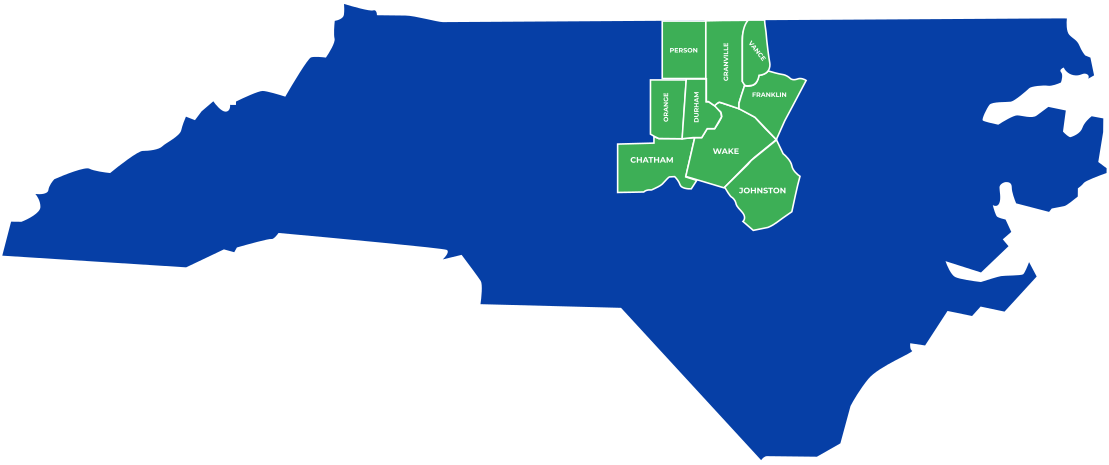

Capability to meet virtually to help all NC residents