
Inheriting a home is often a bittersweet milestone. While it represents a lasting legacy from a loved one, it also comes with a complex set of financial responsibilities—especially if there is still a mortgage on the property.
A common misconception is that inheritance equals instant, debt-free ownership. In reality, the mortgage doesn’t simply disappear when the owner passes away. However, you aren’t immediately thrown into foreclosure either. Here is a guide on how to navigate inheriting a mortgaged property and how federal law protects you.
Does the Mortgage Debt Die with the Owner?
No. While many debts are handled by the deceased person’s estate, a mortgage is a “secured debt.” This means the debt is tied directly to the property itself. If you inherit the house, the mortgage carries over with it.
The good news? You aren’t necessarily required to pay the full balance immediately or qualify for a brand-new loan. Thanks to a federal law known as the Garn-St. Germain Act, you have specific protections.
Understanding the Garn-St. Germain Act
In most standard mortgages, there is a “due-on-sale” clause. This allows a lender to demand full payment of the loan if the property is transferred to someone else. Without protection, this would mean that the moment you inherit a home, you’d have to pay it off or face foreclosure.
The Garn-St. Germain Act prevents mortgage companies from triggering that clause during certain transfers—including the death of the borrower. Because of this federal law:
- The mortgage is not due immediately.
- You are not required to refinance the home (which is a huge win if the original loan has a low interest rate from 2020 or 2021).
- You have the right to “step into the shoes” of the deceased borrower and continue making payments.
First Steps for Inheritors
If you’ve recently inherited a property in North Carolina (or anywhere in the U.S.), your first priority is to prevent the bank from moving toward foreclosure. In North Carolina, it only takes a few months of missed payments for a bank to begin the foreclosure process.
- Secure the Property: Ensure you have physical access and that the home is maintained.
- Notify the Lender: Contact the mortgage company to inform them of the owner’s death. You will likely need to provide a death certificate and proof that you are the legal heir.
- Identify the Process: Every bank is different. Some have streamlined departments that make it easy to transfer the “responsible person” name to yours and set up automatic payments. Others may be more “onerous,” forcing you to mail physical checks or visit a branch in person to discourage you from keeping the original loan.
- Keep Making Payments: Even while you are waiting for paperwork to clear, ensure the monthly mortgage, taxes, and insurance are being paid.
Take Control of Your Legacy
Inheriting a home can be a path to building significant generational wealth, but only if handled correctly. Don’t let a lack of information lead to a foreclosure posture that is difficult to reverse.
By understanding your rights under the Garn-St. Germain Act and acting quickly to communicate with lenders, you can protect your inheritance and keep that low interest rate locked in. If you need help navigating the probate process alongside an inherited mortgage, our attorneys can guide you through every step.
Schedule your consultation today by calling our office at 919-659-8433 for a free Discovery Call and free Initial Strategy Meeting with one of our attorneys.
We proudly serve all of North Carolina, with attorneys based in Cary and Raleigh.
Or directly schedule a free Discovery Call at your convenience: calendly.com/caryep/discovery-call-get-started-cep-blog
Author Bio
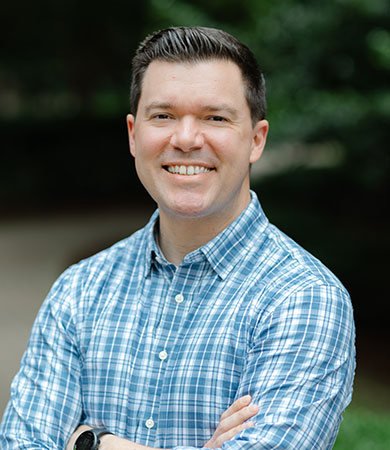
Paul Yokabitus
Founder & Estate Planning Lawyer
Paul Yokabitus is the founder of Cary Estate Planning, where he helps North Carolina families protect what matters most through wills, trusts, probate, and special needs planning. Known for his “planning, not paperwork” approach, Paul turns complex legal concepts into clear, practical strategies so clients feel informed and confident at every step. He has been recognized as a Business North Carolina Legal Elite attorney and a Super Lawyers Rising Star, and was named to the Triangle Business Journal’s 40 Under 40. A graduate of Campbell University School of Law, Paul lives in the Triangle with his wife, Alix, and their two sons.
Linkedin | Avvo | SuperLawyers







How We Help North Carolina Families


Paul and his team at Cary Estate Planning are fully committed to creating a personalized experience to develop thorough and comprehensive estate plans. They value their clients and go above and beyond to make sure that no details are missed. I would highly recommend Paul to anyone looking to create an estate plan.

I was referred to Paul by my Real Estate Attorney and I could not say enough about how exceptional the client service has been from everyone I spoke to. The communication is prompt and I feel like they really took the time to answer all my questions and set things up exactly as I wanted, but also recommended things to make it easier on my family down the line.
After attending one of Paul’s estate planning seminars, my husband and I knew we wanted Paul to assist us with our estate planning. His honest, professional approach to this necessary part of life put us at ease with the process. We will continue to recommend Paul and Cary Estate Planning.

We had a great experience working with Paul Yokabitus and the team at Cary Estate Planning to set up our Will and Estate Plan. The process was clear and easy, and in the age of COVID, our signing session was very well done, easy, and safe.
The Cary Estate Planning team will make sure that you have the information you need to be confident in your estate planning decisions. I learned so much from videos, a one-on-one in-person consultation, the website, emails, and a newsletter mailed the old fashioned way. The fee is very reasonable given the importance of estate planning. No matter the size or number of your assets, don’t procrastinate like I did!

Paul is a masterful attorney. He’s very good at taking your intentions and defining that into a durable Trust and Will. Best of all he is as simple and plain-spoken as you like. Or as fast as intellectual as you may be. It’s all about your your speed and your desired outcomes. Would strongly recommend this firm.
Trusted Estate Planning
Attorney Offices in Cary and Raleigh
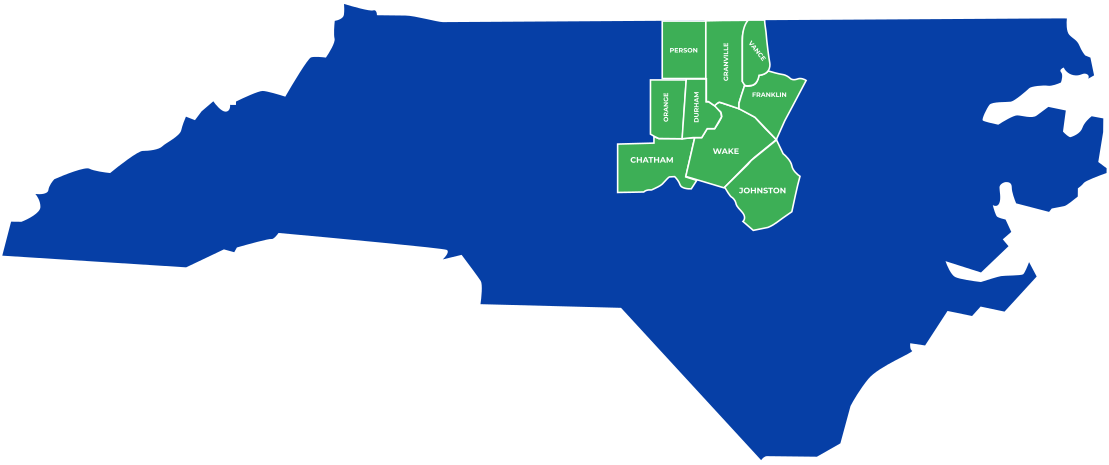

Capability to meet virtually to help all NC residents