In North Carolina, pets are treated as personal property in probate, which means they pass to someone through the estate just like other belongings. That legal reality surprises many pet owners, because a beloved animal is family, not furniture.
The good news is that North Carolina gives you clear tools to make sure your pet is cared for exactly the way you want.
Why the Law Treats Pets as Property
Under the law, a pet is personal property. In probate, that means an animal is part of the estate and passes to a person under the will or, if there is no will, under intestate succession. This has real consequences:
- A pet cannot inherit money directly, because property cannot own property
- Without instructions, a pet passes to whoever inherits the deceased’s personal property
- There is no guarantee that person is willing or able to care for the animal
This is why simply assuming a family member will “take the dog” can go wrong. If no plan is in place, a pet can end up somewhere the owner never intended, or even in a shelter.
What Happens to a Pet Without a Plan?
If a pet owner dies without any arrangement for their animal, the outcome depends on family and circumstances:
- A family member may voluntarily take the pet, which is the common and hoped-for result
- The pet passes to whoever inherits personal property, who may not want it
- If no one steps up, the animal may be surrendered to a shelter
- During the gap while the estate is sorted out, the pet still needs daily care that no one may be clearly responsible for
Even in loving families, the stress and confusion after a death can leave a pet’s care uncertain for days or weeks. A plan removes that uncertainty.
Naming a Caregiver in Your Will
The simplest step is to name a caregiver for your pet in your will and leave that person money to cover the animal’s care. This is better than no plan, but it has a real limitation: once the money is distributed, the caregiver owns it outright and is not legally required to spend it on the pet.
A will-based approach also does not help right away, because a will only takes effect after death and after probate begins. For an animal that needs care immediately, that gap matters. Naming a caregiver is a good baseline, but for real protection, many owners go a step further.
How a Pet Trust Protects Your Animal
North Carolina specifically allows pet trusts under N.C. Gen. Stat. § 36C-4-408. A pet trust is a legally enforceable arrangement that sets aside money for your pet’s care and creates real accountability. It solves the problems a simple will cannot.
A pet trust lets you:
- Set aside funds that must legally be used for your pet’s care
- Name a trustee to manage the money and a caregiver to provide daily care
- Give detailed instructions about diet, veterinary care, and living arrangements
- Name someone to enforce the trust and hold the trustee accountable
- Provide for the animal during your lifetime if you become unable to care for it
Because the trust can take effect the moment you die or become incapacitated, it avoids the probate delay that can leave a pet in limbo. The trust lasts for the life of your pet, and you can direct where any leftover funds go afterward.
How Much Should a Pet Trust Hold?
Fund a pet trust based on the realistic cost of care over your pet’s expected lifespan. Consider:
- The type and breed of animal and its life expectancy
- Routine costs like food, grooming, and regular veterinary care
- A cushion for emergencies and rising costs
- The length of time care will be needed
It is wise to be reasonable here. Under North Carolina law, if a court finds the trust holds far more than the pet could ever need, it can reduce the amount, with the excess passing to your other beneficiaries. Documenting your cost estimates helps show the funding level makes sense.
Choosing the Right People
A pet trust works best when you separate the roles and choose thoughtfully:
- Caregiver: The person who provides daily care. Pick someone who genuinely loves animals and has the ability to take on the responsibility long term.
- Trustee: The person who manages the money. This can be a different person, which builds in a helpful check.
- Enforcer: Someone empowered to make sure the trustee and caregiver follow your wishes.
- Alternates: Backups for each role, in case your first choices cannot serve.
Naming a caregiver and trustee separately is often smart, since it keeps one person from having complete control over both the animal and the money.
Making a Plan for Your Pet
Setting up protection for your pet fits naturally into a broader estate plan. Simple steps include:
- Decide who should care for your pet and confirm they are willing
- Choose between a caregiver named in your will and a more protective pet trust
- Set aside a reasonable amount for care
- Put your pet’s routine and medical needs in writing
- Review the plan when your circumstances or your pet’s needs change
For many families, pets are among the most cherished members of the household. Planning for them is a natural part of a complete estate plan.
Making Sure Your Pet Is Cared For
Pets may be property in the eyes of probate, but North Carolina gives you strong tools to protect them. Naming a caregiver is a start, and a pet trust offers real, enforceable protection that takes effect right when your animal needs it.
If you want to make sure your pet is cared for no matter what happens, our attorneys can help you build that into your plan. We offer a free Discovery Call to understand your situation, followed by a free Initial Strategy Meeting to discuss your options and pricing.
We serve all of North Carolina. Our attorneys in Cary and Raleigh have helped many families work through these decisions with our personalized approach. Contact us to get started.
Author Bio

Paul Yokabitus
Founder & Estate Planning Lawyer
Paul Yokabitus is the founder of Cary Estate Planning, where he helps North Carolina families protect what matters most through wills, trusts, probate, and special needs planning. Known for his “planning, not paperwork” approach, Paul turns complex legal concepts into clear, practical strategies so clients feel informed and confident at every step. He has been recognized as a Business North Carolina Legal Elite attorney and a Super Lawyers Rising Star, and was named to the Triangle Business Journal’s 40 Under 40. A graduate of Campbell University School of Law, Paul lives in the Triangle with his wife, Alix, and their two sons.
Linkedin | Avvo | SuperLawyers







How We Help North Carolina Families


Paul and his team at Cary Estate Planning are fully committed to creating a personalized experience to develop thorough and comprehensive estate plans. They value their clients and go above and beyond to make sure that no details are missed. I would highly recommend Paul to anyone looking to create an estate plan.

I was referred to Paul by my Real Estate Attorney and I could not say enough about how exceptional the client service has been from everyone I spoke to. The communication is prompt and I feel like they really took the time to answer all my questions and set things up exactly as I wanted, but also recommended things to make it easier on my family down the line.
After attending one of Paul’s estate planning seminars, my husband and I knew we wanted Paul to assist us with our estate planning. His honest, professional approach to this necessary part of life put us at ease with the process. We will continue to recommend Paul and Cary Estate Planning.

We had a great experience working with Paul Yokabitus and the team at Cary Estate Planning to set up our Will and Estate Plan. The process was clear and easy, and in the age of COVID, our signing session was very well done, easy, and safe.

The Cary Estate Planning team will make sure that you have the information you need to be confident in your estate planning decisions. I learned so much from videos, a one-on-one in-person consultation, the website, emails, and a newsletter mailed the old fashioned way. The fee is very reasonable given the importance of estate planning. No matter the size or number of your assets, don’t procrastinate like I did!

Paul is a masterful attorney. He’s very good at taking your intentions and defining that into a durable Trust and Will. Best of all he is as simple and plain-spoken as you like. Or as fast as intellectual as you may be. It’s all about your your speed and your desired outcomes. Would strongly recommend this firm.
Trusted Estate Planning
Attorney Offices in Cary and Raleigh
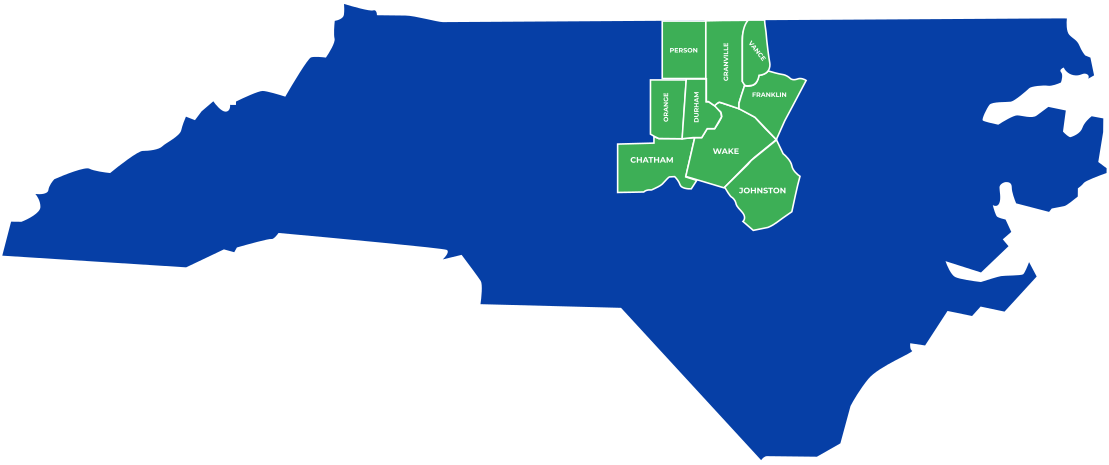

Capability to meet virtually to help all NC residents