For North Carolina families caring for a child or adult with a disability, financial planning often revolves around protecting public benefits like Supplemental Security Income (SSI) and Medicaid.
An ABLE account is widely promoted as an easy, low-cost savings tool. However, many families and financial advisors overlook a critical hidden asymmetry in how ABLE accounts operate—a rule that could cost your family thousands of dollars upon your child’s passing.
Understanding the difference between ABLE accounts and Special Needs Trusts (SNTs) is essential to building an airtight, multi-generational estate plan.
What Is an ABLE Account?
An ABLE (Achieving a Better Life Experience) account—often managed through NC ABLE or institutions like Fifth Third Bank—is a tax-advantaged savings account that allows individuals with disabilities to hold cash without losing eligibility for government benefits.
Key features of ABLE accounts include:
- Asset Disregard: Up to $100,000 saved in an ABLE account is completely excluded from the standard $2,000 SSI and Medicaid resource caps.
- Annual Limits: Up to $20,000 per calendar year can be contributed to the account.
- ABLE to Work Program: Employed account owners can contribute additional earned income above the standard limit.
- Tax-Free Growth: Similar to a Roth IRA or 529 plan, earnings grow free of capital gains tax as long as funds are used for Qualified Disability Expenses (QDEs).
The Hidden Trap: Medicaid Payback Rules
While ABLE accounts offer convenient cash flow management during your child’s lifetime, they come with a serious drawback: the Medicaid payback provision.
When the beneficiary passes away, any funds remaining in the ABLE account become subject to state Medicaid recovery claims. The state can step in and confiscate remaining balances to reimburse itself for Medicaid services provided over the individual’s lifetime.
Over-funding an ABLE account creates a scenario where assets you contributed out of pocket are lost to the state rather than preserved for surviving family members.
Special Needs Trusts: Protecting Your Family’s Inheritance
Unlike ABLE accounts, a Third-Party Special Needs Trust (SNT) is specifically designed to hold larger, multi-generational inheritances.
Key features of Third-Party Special Needs Trusts include:
- No Contribution Limits: SNTs can hold unlimited funds, as well as complex assets like real estate, vehicles, and retirement account proceeds.
- NO Medicaid Payback: Because funds in a third-party SNT never legally belonged to the beneficiary, Medicaid cannot seize remaining trust assets upon their death.
- Legacy Protection: You retain complete control over specifying who inherits the remaining trust balance after your child passes away (such as siblings or charities).
Strategic Planning: Why You Should Coordinate Both Tools
The choice is rarely ABLE account versus Special Needs Trust; the most effective estate plans strategically use both tools together:
- Use the ABLE Account for Monthly Cash Flow: Deposit monthly SSI/SSDI payments or small gifts into the ABLE account so the beneficiary can independently pay for day-to-day qualified expenses without breaching the $2,000 bank account limit.
- Use the Special Needs Trust for Inheritance & Growth: Direct real estate, life insurance payouts, and substantial inheritance distributions into a Third-Party SNT to protect funds from Medicaid recovery while keeping government benefits intact.
Review Your Special Needs Plan Today
Navigating disability benefits and trust regulations requires precise legal drafting. Relying solely on an ABLE account can leave your family’s assets vulnerable to Medicaid claims down the line.
Call our office at 919-659-8433 or directly schedule a free discovery call at your convenience: calendly.com/caryep/discovery-call-get-started-cep-blog and ensure your child’s future is fully protected.
Author Bio
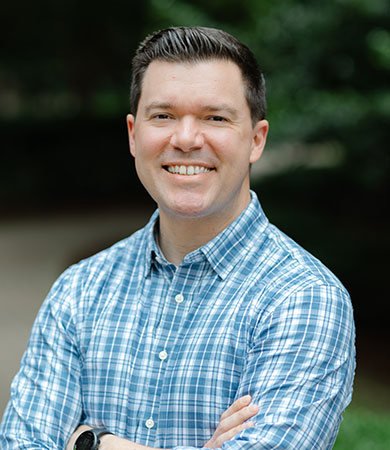
Paul Yokabitus
Founder & Estate Planning Lawyer
Paul Yokabitus is the founder of Cary Estate Planning, where he helps North Carolina families protect what matters most through wills, trusts, probate, and special needs planning. Known for his “planning, not paperwork” approach, Paul turns complex legal concepts into clear, practical strategies so clients feel informed and confident at every step. He has been recognized as a Business North Carolina Legal Elite attorney and a Super Lawyers Rising Star, and was named to the Triangle Business Journal’s 40 Under 40. A graduate of Campbell University School of Law, Paul lives in the Triangle with his wife, Alix, and their two sons.
Linkedin | Avvo | SuperLawyers







How We Help North Carolina Families


Paul and his team at Cary Estate Planning are fully committed to creating a personalized experience to develop thorough and comprehensive estate plans. They value their clients and go above and beyond to make sure that no details are missed. I would highly recommend Paul to anyone looking to create an estate plan.
I was referred to Paul by my Real Estate Attorney and I could not say enough about how exceptional the client service has been from everyone I spoke to. The communication is prompt and I feel like they really took the time to answer all my questions and set things up exactly as I wanted, but also recommended things to make it easier on my family down the line.
After attending one of Paul’s estate planning seminars, my husband and I knew we wanted Paul to assist us with our estate planning. His honest, professional approach to this necessary part of life put us at ease with the process. We will continue to recommend Paul and Cary Estate Planning.

We had a great experience working with Paul Yokabitus and the team at Cary Estate Planning to set up our Will and Estate Plan. The process was clear and easy, and in the age of COVID, our signing session was very well done, easy, and safe.
The Cary Estate Planning team will make sure that you have the information you need to be confident in your estate planning decisions. I learned so much from videos, a one-on-one in-person consultation, the website, emails, and a newsletter mailed the old fashioned way. The fee is very reasonable given the importance of estate planning. No matter the size or number of your assets, don’t procrastinate like I did!

Paul is a masterful attorney. He’s very good at taking your intentions and defining that into a durable Trust and Will. Best of all he is as simple and plain-spoken as you like. Or as fast as intellectual as you may be. It’s all about your your speed and your desired outcomes. Would strongly recommend this firm.
Trusted Estate Planning
Attorney Offices in Cary and Raleigh
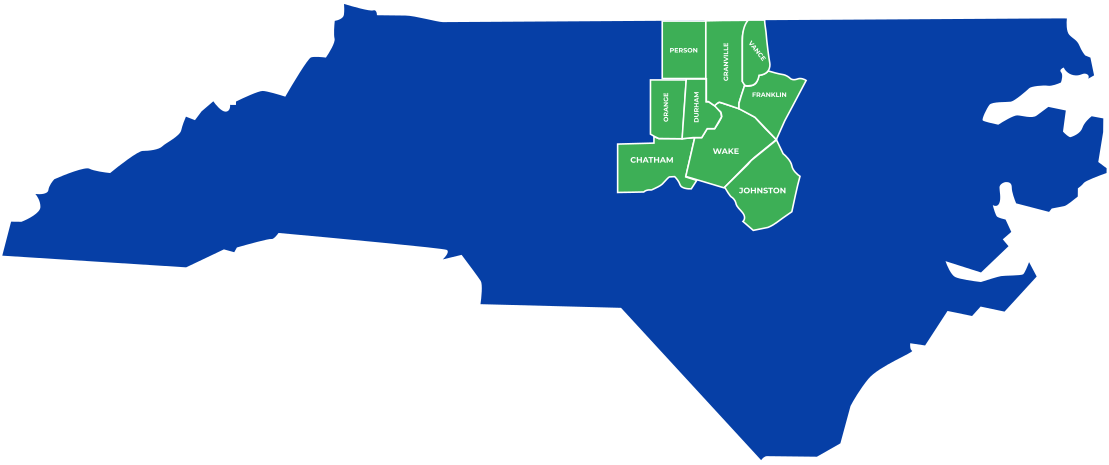

Capability to meet virtually to help all NC residents