You can access a safe deposit box before probate in North Carolina, but only in a limited, court-supervised way. Before an estate is formally opened, the box can be opened for one narrow purpose: to search for a will, burial instructions, or a life insurance policy. Removing the other contents has to wait until someone is officially appointed to handle the estate. Knowing the rules keeps you from hitting a wall at the bank.
Why the Bank Seals the Box
Once a bank learns that a box holder has died, it generally seals the box. This is not the bank being difficult. It protects everyone with a potential interest in the contents by making sure nothing disappears before the estate is properly handled.
That seal is why a grieving family member often cannot simply walk in with a key and empty the box. Having a key, or even being a relative, does not by itself give you the legal right to take what is inside. The law sets out a specific process instead.
The Limited Pre-Probate Access
North Carolina provides a narrow path to open the box before an estate is opened. Under N.C. Gen. Stat. § 28A-15-13, an interested person can petition the clerk of superior court for permission to open the box for a limited inspection.
That limited access allows the box to be opened only to look for:
- The deceased person’s will
- Written burial or funeral instructions
- A life insurance policy
During this supervised opening, you generally cannot remove other valuables like jewelry, cash, or stock certificates. The point is narrow: find the documents needed to move forward, not distribute the contents. Anything found is documented, and a will is typically delivered straight to the clerk.
How the Limited Opening Works
The process for a pre-probate search usually looks like this:
- Confirm the box exists and note the bank, box number, and exact name on the lease
- File a request with the clerk of superior court to open the box
- Obtain the clerk’s order authorizing a limited inspection
- Present the order to the bank
- Open the box under the required supervision
- Remove only a will, burial instructions, or life insurance policy, and document what was found
Keeping any keys and the box lease agreement helps here, since it can spare the family the cost of having the bank drill the box open.
Full Access After Appointment
To get full access to everything in the box, someone generally needs to be formally appointed as the estate’s personal representative. Once the clerk issues letters testamentary or letters of administration, that person becomes a qualified person who can open the box, inventory the contents, and handle them as estate property.
At that point:
- The personal representative can access and empty the box
- The contents are listed on the estate inventory, which is due within three months of qualifying under N.C. Gen. Stat. § 28A-20-1
- Cash goes into the estate account, not a personal one
- Each item’s ownership is sorted out as part of settling the estate
Being named on the box lease may give access, but it does not automatically make you the owner of everything inside. Ownership is determined during administration.
What If the Estate Is Small?
For smaller estates, North Carolina offers a simplified path. If the deceased person’s personal property is worth $20,000 or less, or $30,000 or less when the surviving spouse is the one applying, an heir may be able to use a small estate affidavit under N.C. Gen. Stat. § 28A-25-1.
With an accepted small estate affidavit, the institution holding an asset, including a safe deposit box, can often release contents without full probate administration. This simplified process saves time and cost for estates that qualify. The affidavit generally cannot be used until 30 days after the death.
What You Should Not Do
A few missteps cause real headaches, so it helps to know what to avoid:
- Do not try to talk the bank into letting you empty the box informally
- Do not remove items during the limited will-search visit beyond what the law allows
- Do not deposit any cash you are eventually authorized to collect into a personal account
- Do not mark, staple, or alter any handwritten document you find, since a handwritten will has strict requirements
Handling the box the right way protects you from later questions about what was inside and what happened to it.
Planning Ahead for a Safe Deposit Box
If you keep a safe deposit box, a little planning spares your family the whole scramble. Helpful steps include:
- Keeping your original will somewhere accessible rather than locked in a box only you can open
- Telling your executor where the box is and where the key is kept
- Considering adding a trusted co-lessee, while knowing that changes access rules
- Keeping a simple list of what the box contains
Storing your will inside the very box that gets sealed at death is a common and avoidable problem. Keeping it where your executor can reach it keeps things moving.
Getting Into the Box the Right Way
You can open a safe deposit box before probate in North Carolina, but only through the limited, court-supervised process meant to find a will, burial instructions, or a life insurance policy. Full access comes after someone is appointed to handle the estate. Our attorneys help families take these steps in the correct order.
If you need to access a loved one’s safe deposit box and are not sure where to start, our attorneys can help.
We serve all of North Carolina. Our attorneys in Cary and Raleigh have helped many families work through these decisions with our personalized approach. Contact us to get started.
Author Bio

Paul Yokabitus
Founder & Estate Planning Lawyer
Paul Yokabitus is the founder of Cary Estate Planning, where he helps North Carolina families protect what matters most through wills, trusts, probate, and special needs planning. Known for his “planning, not paperwork” approach, Paul turns complex legal concepts into clear, practical strategies so clients feel informed and confident at every step. He has been recognized as a Business North Carolina Legal Elite attorney and a Super Lawyers Rising Star, and was named to the Triangle Business Journal’s 40 Under 40. A graduate of Campbell University School of Law, Paul lives in the Triangle with his wife, Alix, and their two sons.
Linkedin | Avvo | SuperLawyers







How We Help North Carolina Families




Paul and his team at Cary Estate Planning are fully committed to creating a personalized experience to develop thorough and comprehensive estate plans. They value their clients and go above and beyond to make sure that no details are missed. I would highly recommend Paul to anyone looking to create an estate plan.

I was referred to Paul by my Real Estate Attorney and I could not say enough about how exceptional the client service has been from everyone I spoke to. The communication is prompt and I feel like they really took the time to answer all my questions and set things up exactly as I wanted, but also recommended things to make it easier on my family down the line.
After attending one of Paul’s estate planning seminars, my husband and I knew we wanted Paul to assist us with our estate planning. His honest, professional approach to this necessary part of life put us at ease with the process. We will continue to recommend Paul and Cary Estate Planning.

We had a great experience working with Paul Yokabitus and the team at Cary Estate Planning to set up our Will and Estate Plan. The process was clear and easy, and in the age of COVID, our signing session was very well done, easy, and safe.

The Cary Estate Planning team will make sure that you have the information you need to be confident in your estate planning decisions. I learned so much from videos, a one-on-one in-person consultation, the website, emails, and a newsletter mailed the old fashioned way. The fee is very reasonable given the importance of estate planning. No matter the size or number of your assets, don’t procrastinate like I did!

Paul is a masterful attorney. He’s very good at taking your intentions and defining that into a durable Trust and Will. Best of all he is as simple and plain-spoken as you like. Or as fast as intellectual as you may be. It’s all about your your speed and your desired outcomes. Would strongly recommend this firm.
Trusted Estate Planning
Attorney Offices in Cary and Raleigh
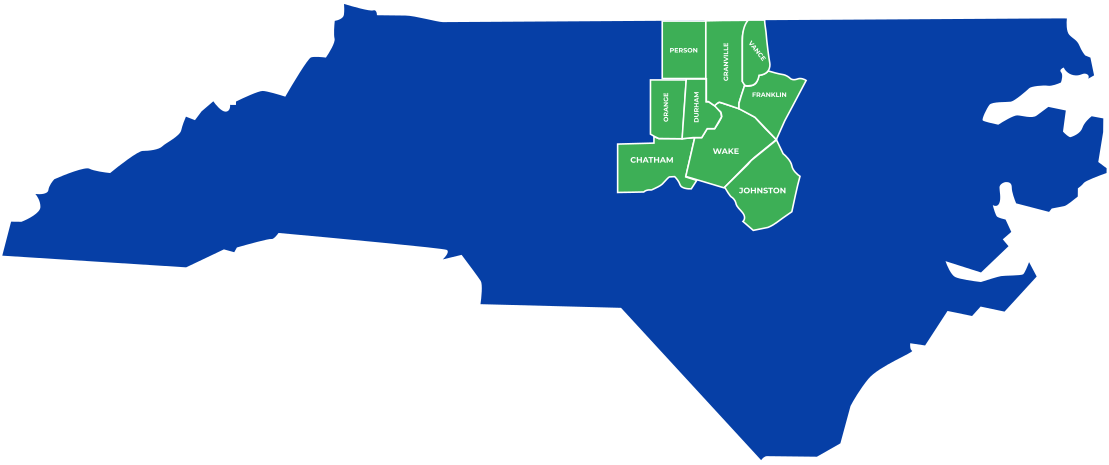

Capability to meet virtually to help all NC residents