For the past decade, Donor-Advised Funds (DAFs) have often been marketed as the easy, default solution for high-net-worth families looking to incorporate charitable giving into their financial and estate plans. While DAFs remain a powerful, low-maintenance tool for many North Carolina families, they are not a one-size-fits-all strategy.
For families with estates over $10 million, relying solely on a DAF may actually be the wrong approach. Here is an honest breakdown of how DAFs work, when they make sense, and when North Carolina families—along with their CPAs and financial advisors—should consider a Private Foundation instead.
What Is a Donor-Advised Fund (DAF)?
Think of a Donor-Advised Fund like a tax-advantaged brokerage account dedicated exclusively to charitable contributions.
When you contribute cash, stock, or appreciated securities to a DAF, you receive an immediate tax deduction for that contribution tax year. The assets inside the account can be invested in securities and grow tax-free. Over time, you—or your designated successors—recommend “grants” from the fund to your favorite charities.
Sponsoring organizations, such as Fidelity Charitable or Schwab Charitable, handle account administration and distribute the grants based on your directives.
The Power of DAF Tax Deduction Timing
The core advantage of a DAF lies in separating the timing of your tax deduction from the timing of your charitable gifts.
Instead of writing individual checks to charities each year, you can “bunch” contributions during a high-income tax year to maximize your tax deduction.
- Example: If you contribute $100,000 to a DAF in 2026, you claim the full $100,000 deduction on your 2026 tax return. However, you can grant that $100,000 out to various non-profits in smaller installments over the next 5 to 10 years.
When paired with donations of highly appreciated securities, a DAF allows you to eliminate capital gains taxes while securing a full fair-market-value tax deduction.
DAFs for Estates in the $2M to $3M Range
For North Carolina families with estates valued in the $2 million to $3 million range, DAFs offer a balance of tax efficiency and convenience:
- Low Maintenance & Low Compliance: Unlike complex entities, DAFs require minimal administrative oversight.
- Simple Grant Rules: Sponsoring organizations generally require that the DAF grant out at least 5% of its principal to qualifying charities annually.
- Streamlined Setup: Establishing a DAF as part of your broader estate plan is quick, cost-effective, and straightforward.
When Private Foundations Make Sense ($10M+ Estates)
While DAFs excel at simplicity, larger estates—typically $10 million or more—often require a tool with greater control, flexibility, and longevity. A Private Family Foundation may be the better choice if you have:
- Multi-Generational Legacy Goals: Foundations allow you to institute long-term charitable missions that engage children and grandchildren as active officers and board members.
- Direct Control: Instead of relying on a third-party sponsor like Schwab or Fidelity, your family retains direct authority over grants, investments, and operational decisions.
- Direct Employment: Foundations can employ family members as paid officers to run charitable operations.
While Private Foundations also carry a 5% minimum annual distribution requirement, they come with higher legal setup fees, ongoing administrative costs, and stricter compliance rules compared to DAFs.
Coordinating Charitable Tools with Major Financial Events
Charitable giving tools should never be created in a vacuum. A DAF or Private Foundation must be coordinated directly with your estate attorney, CPA, and financial planner to align with high-income trigger events, such as:
- Business exits and company sales
- Initial Public Offerings (IPOs) or liquidity events
- Strategic Roth IRA conversions
- Real estate or asset liquidations with high capital gains
Timing is critical: Utilizing these strategies in low-income years dilutes their value. Charitable tax planning is most effective when offsetting substantial tax liabilities in peak income years.
Schedule Your Strategic Consultation Today
If you give $10,000 or more annually to charity and have not analyzed whether a DAF or Private Foundation fits your broader tax and estate plan, now is the time. Call our office at 919-659-8433 or directly schedule a free discovery call at your convenience: calendly.com/caryep/discovery-call-get-started-cep-blog
Author Bio
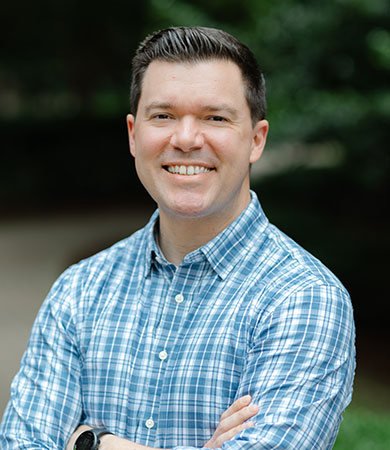
Paul Yokabitus
Founder & Estate Planning Lawyer
Paul Yokabitus is the founder of Cary Estate Planning, where he helps North Carolina families protect what matters most through wills, trusts, probate, and special needs planning. Known for his “planning, not paperwork” approach, Paul turns complex legal concepts into clear, practical strategies so clients feel informed and confident at every step. He has been recognized as a Business North Carolina Legal Elite attorney and a Super Lawyers Rising Star, and was named to the Triangle Business Journal’s 40 Under 40. A graduate of Campbell University School of Law, Paul lives in the Triangle with his wife, Alix, and their two sons.
Linkedin | Avvo | SuperLawyers






How We Help North Carolina Families




Paul and his team at Cary Estate Planning are fully committed to creating a personalized experience to develop thorough and comprehensive estate plans. They value their clients and go above and beyond to make sure that no details are missed. I would highly recommend Paul to anyone looking to create an estate plan.
I was referred to Paul by my Real Estate Attorney and I could not say enough about how exceptional the client service has been from everyone I spoke to. The communication is prompt and I feel like they really took the time to answer all my questions and set things up exactly as I wanted, but also recommended things to make it easier on my family down the line.
After attending one of Paul’s estate planning seminars, my husband and I knew we wanted Paul to assist us with our estate planning. His honest, professional approach to this necessary part of life put us at ease with the process. We will continue to recommend Paul and Cary Estate Planning.

We had a great experience working with Paul Yokabitus and the team at Cary Estate Planning to set up our Will and Estate Plan. The process was clear and easy, and in the age of COVID, our signing session was very well done, easy, and safe.

The Cary Estate Planning team will make sure that you have the information you need to be confident in your estate planning decisions. I learned so much from videos, a one-on-one in-person consultation, the website, emails, and a newsletter mailed the old fashioned way. The fee is very reasonable given the importance of estate planning. No matter the size or number of your assets, don’t procrastinate like I did!

Paul is a masterful attorney. He’s very good at taking your intentions and defining that into a durable Trust and Will. Best of all he is as simple and plain-spoken as you like. Or as fast as intellectual as you may be. It’s all about your your speed and your desired outcomes. Would strongly recommend this firm.
Trusted Estate Planning
Attorney Offices in Cary and Raleigh
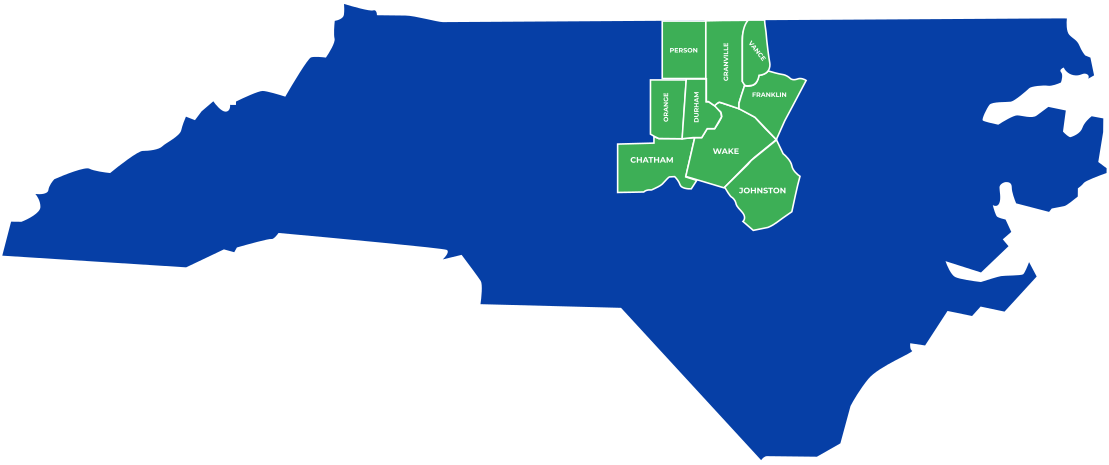

Capability to meet virtually to help all NC residents