If you are a North Carolina family sitting on a $2 million brokerage account with a low cost basis—say, $200,000—you are likely well aware of the massive capital gains tax hit waiting for you upon liquidation. Beyond standard federal and state taxes, liquidating a highly appreciated asset can trigger surcharges like IRMAA (Income-Related Monthly Adjustment Amount) premiums on Medicare.
Fortunately, you do not have to choose between keeping your wealth or losing a substantial portion of it to taxes. A Charitable Remainder Trust (CRT) offers a tax-advantaged strategy that allows you to bypass immediate capital gains, generate a lifetime income stream, and leave a meaningful philanthropic legacy.
What Is a Charitable Remainder Trust (CRT)?
A Charitable Remainder Trust (CRT) is an irrevocable trust designed to convert highly appreciated assets into an income stream without triggering immediate capital gains tax.
Here is how the CRT process works:
- Funding the Trust: You transfer appreciated assets—such as stocks, business equity, or real estate—into the CRT.
- Immediate Tax Deduction: You receive a partial upfront income tax deduction based on the present value of the ultimate charitable gift.
- Tax-Free Sale: The trustee sells the assets inside the trust at full market value. Because the trust is tax-exempt, zero capital gains tax is owed at the time of the sale.
- Lifetime Income Stream: The proceeds are reinvested, paying you (or your named beneficiaries) an annual income for life or for a designated term of years.
- Charitable Remainder: Once the income term ends, the remaining principal passes to the qualified charities of your choice.
CRATs vs. CRUTs: Which Structure Is Right for You?
When establishing a Charitable Remainder Trust, you must choose between two primary structures depending on your cash flow needs:
1. Charitable Remainder Annuity Trust (CRAT)
A CRAT pays a fixed dollar amount every year, regardless of whether the underlying trust investments grow or shrink. This structure provides consistent, predictable income, which can be ideal for older donors or those seeking guaranteed cash flow.
2. Charitable Remainder Unitrust (CRUT)
A CRUT pays a fixed percentage of the trust’s total value, recalculated annually. If the trust investments perform well and grow, your annual payout increases. Conversely, if the market dips, your payment decreases. CRUTs serve as a great hedge against inflation over long periods.
Ideal Candidates for a Charitable Remainder Trust
A CRT is best suited for higher-net-worth North Carolina families who have already secured their baseline liquid cash flow needs but want to optimize their tax and philanthropic planning.
Common ideal scenarios include:
- Low-Basis Appreciated Stocks: Holding large positions with significant capital gains liabilities.
- Real Estate Sales: Selling inherited or long-held real estate with a low basis relative to current market value.
- Business Owners: Transitioning out of a closely held business or executing a business sale.
- Retirement Income Boost: Supplementing retirement income while mitigating IRMAA Medicare surcharges.
When Does a CRT Not Make Sense?
While CRTs offer incredible benefits, they are not suitable for every estate:
- High Liquidity Needs: CRTs are irrevocable. You sacrifice direct access to the principal, receiving only the scheduled income distributions.
- No Charitable Intent: The primary requirement of a CRT is that at least 10% of the initial value must ultimately pass to charity under IRS rules. This is not a mechanism for passing assets tax-free to children.
- Younger Donors: Younger individuals may struggle to meet the IRS’s 10% remainder rule due to projected payout lengths over a longer lifetime expectation.
Schedule Your Coordination Call Today
Implementing a Charitable Remainder Trust requires close coordination between your estate planning attorney, tax specialist, and financial advisor. If you hold highly appreciated assets in North Carolina and want to eliminate capital gains tax while creating a lasting legacy, call our office at 919-659-8433 or directly schedule a free discovery call at your convenience: calendly.com/caryep/discovery-call-get-started-cep-blog
Author Bio
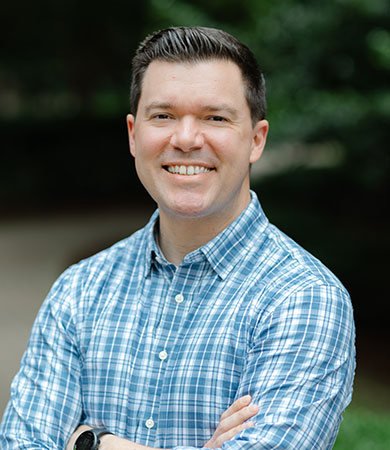
Paul Yokabitus
Founder & Estate Planning Lawyer
Paul Yokabitus is the founder of Cary Estate Planning, where he helps North Carolina families protect what matters most through wills, trusts, probate, and special needs planning. Known for his “planning, not paperwork” approach, Paul turns complex legal concepts into clear, practical strategies so clients feel informed and confident at every step. He has been recognized as a Business North Carolina Legal Elite attorney and a Super Lawyers Rising Star, and was named to the Triangle Business Journal’s 40 Under 40. A graduate of Campbell University School of Law, Paul lives in the Triangle with his wife, Alix, and their two sons.
Linkedin | Avvo | SuperLawyers







How We Help North Carolina Families





Paul and his team at Cary Estate Planning are fully committed to creating a personalized experience to develop thorough and comprehensive estate plans. They value their clients and go above and beyond to make sure that no details are missed. I would highly recommend Paul to anyone looking to create an estate plan.

I was referred to Paul by my Real Estate Attorney and I could not say enough about how exceptional the client service has been from everyone I spoke to. The communication is prompt and I feel like they really took the time to answer all my questions and set things up exactly as I wanted, but also recommended things to make it easier on my family down the line.
After attending one of Paul’s estate planning seminars, my husband and I knew we wanted Paul to assist us with our estate planning. His honest, professional approach to this necessary part of life put us at ease with the process. We will continue to recommend Paul and Cary Estate Planning.

We had a great experience working with Paul Yokabitus and the team at Cary Estate Planning to set up our Will and Estate Plan. The process was clear and easy, and in the age of COVID, our signing session was very well done, easy, and safe.

The Cary Estate Planning team will make sure that you have the information you need to be confident in your estate planning decisions. I learned so much from videos, a one-on-one in-person consultation, the website, emails, and a newsletter mailed the old fashioned way. The fee is very reasonable given the importance of estate planning. No matter the size or number of your assets, don’t procrastinate like I did!

Paul is a masterful attorney. He’s very good at taking your intentions and defining that into a durable Trust and Will. Best of all he is as simple and plain-spoken as you like. Or as fast as intellectual as you may be. It’s all about your your speed and your desired outcomes. Would strongly recommend this firm.
Trusted Estate Planning
Attorney Offices in Cary and Raleigh
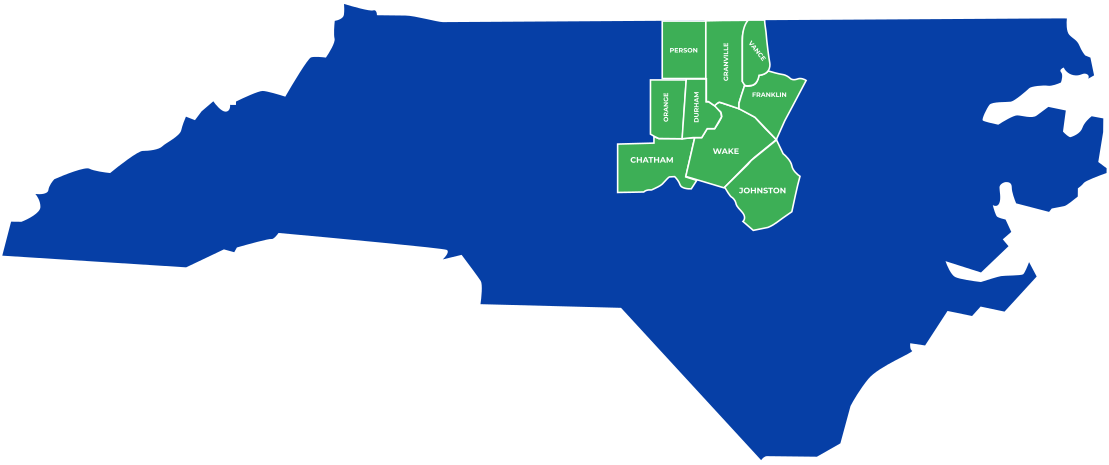

Capability to meet virtually to help all NC residents