
Serving as the executor of an estate in North Carolina is more than a family favor—it is a formal legal role carrying strict fiduciary duties. As an executor, you owe a legal duty to both the beneficiaries and the legitimate creditors of the estate.
If you breach this duty—even by accident—the court can hold you personally liable. This means you may be forced to pay out of your own pocket to make the estate, beneficiaries, or creditors whole.
To protect your personal finances and fulfill your legal obligations, avoid these four common executor mistakes.
Mistake 1: Distributing Estate Assets Too Early
When family members are grieving, it is natural to want to help by distributing inheritance money quickly. However, distributing assets before the mandatory 90-day creditor notice period has expired is a major mistake.
If an unexpected creditor files a valid claim after you have already handed out funds, you must either claw that money back from beneficiaries or pay the debt out of your own pocket. Always wait for the creditor rights period to conclude and settle all legitimate estate claims before distributing remaining funds to heirs.
Mistake 2: Paying the Wrong Bills from Estate Funds
Receiving unpaid bills in the mail does not automatically mean the estate should pay them immediately. In North Carolina, creditor claims follow a specific statutory hierarchy, and not all debts or expenses are valid estate obligations.
Crucially, real estate expenses for property owned by the deceased generally cannot be paid using estate bank account funds. Ongoing costs like utilities, real estate taxes, homeowners insurance, and routine maintenance are typically the financial responsibility of the beneficiaries who inherit the property, not the estate itself. Paying non-qualifying bills can lead to personal surcharge liability.
Mistake 3: Missing the 90-Day Inventory Filing Deadline
North Carolina requires executors to file a detailed inventory of all estate assets with the Clerk of Superior Court within 90 days of qualification.
This is one of the strictest deadlines in North Carolina probate administration. Missing it without a court-approved extension can result in:
- Formal clerk sanctions
- Removal proceedings as executor
- Personal financial liability if assets go missing or decline in value during the delay
Mistake 4: Failing to Open a Dedicated Estate Checking Account
Never commingle estate funds with your personal bank accounts. An executor who deposits estate cash or pays debts out of a personal checking account creates immediate legal exposure.
If the estate becomes insolvent or beneficiaries dispute financial records, an inability to clearly separate personal money from estate assets will lead to clerk sanctions and potential lawsuits. Always open a separate Estate Checking Account using an Estate EIN to hold and track all cash, liquidations, and disbursements.
Protect Yourself While Serving as Executor
Serving as an executor in North Carolina involves real legal and financial risk. The best time to consult an estate settlement attorney is before making financial distributions or paying bills—not after a mistake has been made.
If you were recently appointed as an executor or anticipate serving soon, call our office at 919-659-8433 or directly schedule a free discovery call at your convenience: calendly.com/caryep/discovery-call-get-started-cep-blog
Author Bio
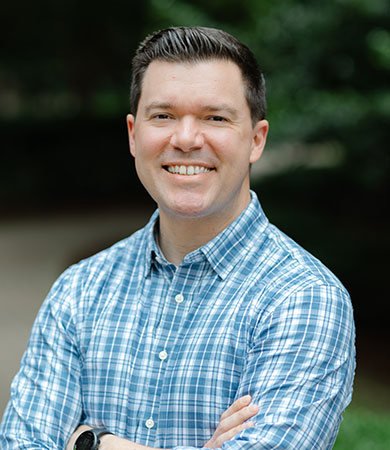
Paul Yokabitus
Founder & Estate Planning Lawyer
Paul Yokabitus is the founder of Cary Estate Planning, where he helps North Carolina families protect what matters most through wills, trusts, probate, and special needs planning. Known for his “planning, not paperwork” approach, Paul turns complex legal concepts into clear, practical strategies so clients feel informed and confident at every step. He has been recognized as a Business North Carolina Legal Elite attorney and a Super Lawyers Rising Star, and was named to the Triangle Business Journal’s 40 Under 40. A graduate of Campbell University School of Law, Paul lives in the Triangle with his wife, Alix, and their two sons.
Linkedin | Avvo | SuperLawyers







How We Help North Carolina Families


Paul and his team at Cary Estate Planning are fully committed to creating a personalized experience to develop thorough and comprehensive estate plans. They value their clients and go above and beyond to make sure that no details are missed. I would highly recommend Paul to anyone looking to create an estate plan.

I was referred to Paul by my Real Estate Attorney and I could not say enough about how exceptional the client service has been from everyone I spoke to. The communication is prompt and I feel like they really took the time to answer all my questions and set things up exactly as I wanted, but also recommended things to make it easier on my family down the line.
After attending one of Paul’s estate planning seminars, my husband and I knew we wanted Paul to assist us with our estate planning. His honest, professional approach to this necessary part of life put us at ease with the process. We will continue to recommend Paul and Cary Estate Planning.

We had a great experience working with Paul Yokabitus and the team at Cary Estate Planning to set up our Will and Estate Plan. The process was clear and easy, and in the age of COVID, our signing session was very well done, easy, and safe.
The Cary Estate Planning team will make sure that you have the information you need to be confident in your estate planning decisions. I learned so much from videos, a one-on-one in-person consultation, the website, emails, and a newsletter mailed the old fashioned way. The fee is very reasonable given the importance of estate planning. No matter the size or number of your assets, don’t procrastinate like I did!

Paul is a masterful attorney. He’s very good at taking your intentions and defining that into a durable Trust and Will. Best of all he is as simple and plain-spoken as you like. Or as fast as intellectual as you may be. It’s all about your your speed and your desired outcomes. Would strongly recommend this firm.
Trusted Estate Planning
Attorney Offices in Cary and Raleigh
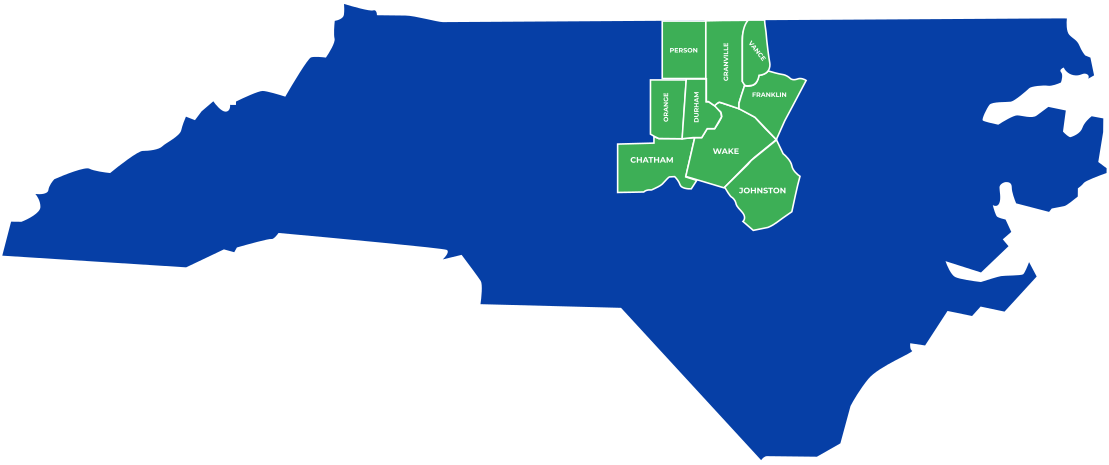

Capability to meet virtually to help all NC residents