If an executor moves out of state during a North Carolina estate administration, they can usually keep serving, but a few extra requirements kick in. The executor generally must appoint a North Carolina resident process agent, and the clerk of superior court may require a bond. Moving away does not automatically end the role, but ignoring these steps can put the appointment at risk.
Can an Executor Serve From Another State?
Yes. North Carolina does not require an executor to live in the state, and the law specifically contemplates a resident executor who moves away after being appointed. What changes is not whether you can serve, but the conditions attached to serving from a distance.
The main requirements for an out-of-state executor are:
- Appointing a North Carolina resident process agent
- Possibly posting a bond, depending on the will and the clerk
- Keeping up with all the normal duties despite the distance
None of these are dealbreakers. They are manageable steps, and many estates are handled by executors who live elsewhere.
Why a Resident Process Agent Is Required
Under N.C. Gen. Stat. § 28A-4-2, a nonresident personal representative must appoint a resident process agent, a person or company in North Carolina who agrees to accept legal papers on the executor’s behalf. The purpose is practical: the court and creditors need a reliable in-state address where legal notices can be served.
A resident process agent:
- Lives in or operates in North Carolina
- Accepts service of legal documents for the executor
- Keeps the executor connected to the court process from afar
Many out-of-state executors ask an attorney to serve as their resident process agent. This keeps legal notices flowing to someone who understands them and can act quickly. Whoever serves, the executor must keep the agent’s information current with the court.
What Happens If You Move Mid-Administration?
This is the situation many families ask about. Say you qualified as executor while living in North Carolina, then a move takes you to another state partway through. The estate does not fall apart, but you need to act.
North Carolina’s bond statute, N.C. Gen. Stat. § 28A-8-1, directly addresses a resident executor who moves out of state after appointment. Once you move, you generally need to:
- Appoint a resident process agent if you did not already have one
- Address whether a bond is now required
- Notify the clerk of superior court of your change in status and address
- Continue meeting every deadline and duty as before
The cleanest approach is to handle these steps promptly rather than waiting until a filing is due. Getting ahead of the paperwork keeps the administration on track.
Will You Have to Post a Bond?
Bond is often the biggest question for an out-of-state executor. A bond is a form of insurance that protects the estate against mistakes or misconduct by the executor. In North Carolina:
- A resident executor usually does not have to post a bond unless the will requires it
- A nonresident executor often has to post a bond unless the will waives it
- Even when a will waives bond, some clerks still require it for a nonresident
- A nonresident serving alongside a qualified resident co-executor may avoid bond in some cases
Because local practice varies, checking with the specific clerk of superior court is the reliable way to know what will be required. Bond amounts are typically based on the value of the estate’s personal property, so this can be a real cost worth planning for.
The Duties Do Not Change With the Distance
Living out of state does not lighten an executor’s responsibilities. You still have to gather and protect assets, notify creditors and handle valid debts, file tax returns, keep careful records and file accountings, distribute assets to beneficiaries, and meet every deadline in the process.
Distance makes some tasks harder, such as securing a home or handling property in person. Learning how long the process usually takes helps an out-of-state executor plan trips and deadlines. Many nonresident executors work with a North Carolina attorney who handles in-state tasks, so the distance becomes a manageable detail rather than a roadblock.
What If the Estate Includes Real Estate in Another State?
An executor moving out of state is different from an estate that owns property in another state. If the deceased owned real estate outside North Carolina, that property may require a separate proceeding called ancillary administration in the state where it sits. This is true regardless of where the executor lives.
If you are dealing with inherited real estate in more than one state, expect an extra layer of process for the out-of-state property. Coordinating the main North Carolina administration with any ancillary proceeding is something to plan for early.
Can an Out-of-State Executor Be Removed?
An executor who handles the requirements properly generally has nothing to worry about. But an out-of-state executor who ignores the rules can face removal. Under North Carolina law, the clerk can revoke letters if a nonresident personal representative fails to respond to court process served through the resident agent.
The practical lessons are simple:
- Keep your resident process agent current and responsive
- Respond promptly to anything served on your agent
- Stay on top of filings and deadlines despite the distance
- Communicate with the clerk about your address and status
Removal is a last resort tied to neglect, not a penalty for living elsewhere. Engaged executors rarely face it.
Planning Ahead When Naming an Executor
If you are writing a will, think about where your executor lives. Naming an out-of-state executor is allowed, but you can make their job easier by:
- Considering a resident co-executor to simplify bond and logistics
- Deciding whether to waive bond in your will, while knowing the clerk may still require it for a nonresident
- Choosing someone organized enough to manage the role from a distance
- Using a trust where appropriate to reduce what has to pass through probate
A little foresight when naming an executor spares your family friction later, especially if your chosen person lives far away.
Serving as an Executor From Afar
An executor who moves out of state can keep serving in North Carolina, as long as they appoint a resident process agent, handle any bond requirement, and stay on top of their duties. The role is entirely workable from a distance with the right support. Our attorneys help both resident and out-of-state executors meet these requirements and keep the estate moving.
If you are serving as an executor from another state, or you have moved partway through, our attorneys can help you handle the requirements correctly. We offer a free Discovery Call to understand your situation, followed by a free Initial Strategy Meeting to talk through your options and pricing.
We serve all of North Carolina. Our attorneys in Cary and Raleigh have helped many families work through these decisions with our personalized approach. Contact us to get started.
Author Bio

Paul Yokabitus
Founder & Estate Planning Lawyer
Paul Yokabitus is the founder of Cary Estate Planning, where he helps North Carolina families protect what matters most through wills, trusts, probate, and special needs planning. Known for his “planning, not paperwork” approach, Paul turns complex legal concepts into clear, practical strategies so clients feel informed and confident at every step. He has been recognized as a Business North Carolina Legal Elite attorney and a Super Lawyers Rising Star, and was named to the Triangle Business Journal’s 40 Under 40. A graduate of Campbell University School of Law, Paul lives in the Triangle with his wife, Alix, and their two sons.
Linkedin | Avvo | SuperLawyers







How We Help North Carolina Families




Paul and his team at Cary Estate Planning are fully committed to creating a personalized experience to develop thorough and comprehensive estate plans. They value their clients and go above and beyond to make sure that no details are missed. I would highly recommend Paul to anyone looking to create an estate plan.

I was referred to Paul by my Real Estate Attorney and I could not say enough about how exceptional the client service has been from everyone I spoke to. The communication is prompt and I feel like they really took the time to answer all my questions and set things up exactly as I wanted, but also recommended things to make it easier on my family down the line.
After attending one of Paul’s estate planning seminars, my husband and I knew we wanted Paul to assist us with our estate planning. His honest, professional approach to this necessary part of life put us at ease with the process. We will continue to recommend Paul and Cary Estate Planning.

We had a great experience working with Paul Yokabitus and the team at Cary Estate Planning to set up our Will and Estate Plan. The process was clear and easy, and in the age of COVID, our signing session was very well done, easy, and safe.

The Cary Estate Planning team will make sure that you have the information you need to be confident in your estate planning decisions. I learned so much from videos, a one-on-one in-person consultation, the website, emails, and a newsletter mailed the old fashioned way. The fee is very reasonable given the importance of estate planning. No matter the size or number of your assets, don’t procrastinate like I did!

Paul is a masterful attorney. He’s very good at taking your intentions and defining that into a durable Trust and Will. Best of all he is as simple and plain-spoken as you like. Or as fast as intellectual as you may be. It’s all about your your speed and your desired outcomes. Would strongly recommend this firm.
Trusted Estate Planning
Attorney Offices in Cary and Raleigh
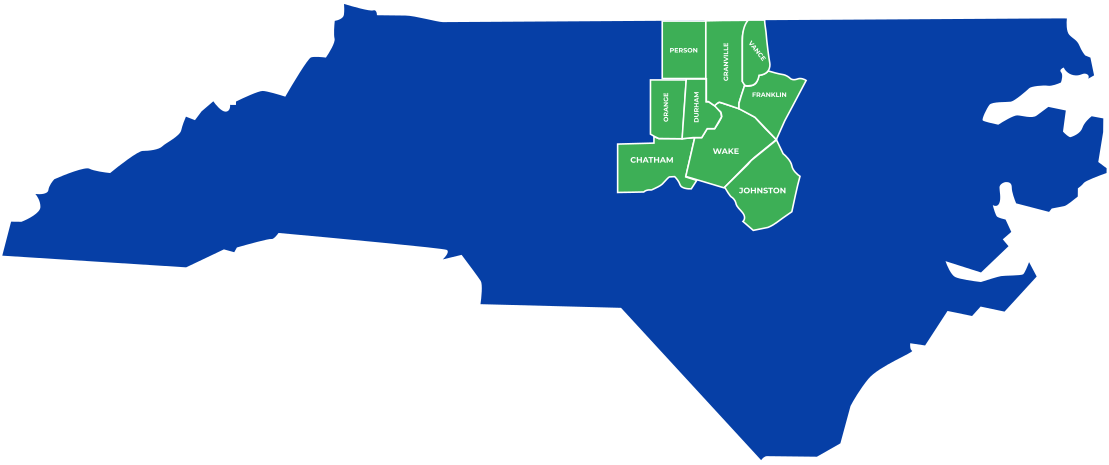

Capability to meet virtually to help all NC residents