When someone dies, their email account does not close on its own, and access does not automatically pass to the family. What happens depends on the provider’s rules and on whether the person planned ahead. In North Carolina, a law about digital assets can give a personal representative authority over some accounts, but email is often more locked down than families expect.
Why Email Access Is Complicated
Email feels personal and important after a death. It holds correspondence, account information, photos, and clues to the person’s financial life. Yet email is one of the harder digital assets to reach, for a few reasons:
- Providers have strict privacy policies and terms of service
- Federal privacy laws limit what a provider can hand over
- The content of messages gets more protection than a simple list of contacts
- Each provider has its own process, and they vary widely
So even a personal representative with clear authority over the estate may find that email requires extra steps. Planning ahead makes a real difference.
North Carolina’s Digital Assets Law
North Carolina has adopted a version of the Revised Uniform Fiduciary Access to Digital Assets Act, found in Chapter 36F of the General Statutes. This law creates a framework for how a fiduciary, such as an executor or trustee, can access a person’s digital assets.
Under this framework, the order of authority generally works like this:
- Online tools come first. If the provider offers a tool to name who can access the account after death, that choice controls.
- Then the person’s estate documents. If there is no online tool, directions in a will, trust, or power of attorney can grant access.
- Then the provider’s terms of service. If neither of the above applies, the provider’s default rules govern.
This order is why planning tools matter so much. A choice made directly with the provider, or clear language in your estate plan, can open a door that would otherwise stay closed.
Online Tools Providers Offer
Several major providers offer their own tools that let you decide in advance what happens to your account. These are often the simplest and most reliable way to handle access. Depending on the provider, you may be able to:
- Name a person to manage or access the account after a period of inactivity
- Choose to have the account deleted automatically after inactivity
- Designate a contact who can retrieve certain data
Setting these up during life is far easier than trying to gain access afterward. When someone has used one of these tools, it usually controls what happens, even over instructions in a will.
What a Personal Representative Can Do
If no online tool was set up, the personal representative may still seek access using their authority over the estate, supported by North Carolina’s digital assets law. The general steps include:
- Gathering proof of appointment, such as letters testamentary or letters of administration
- Locating any provisions in the will or other documents addressing digital assets
- Contacting the provider and following its specific process
- Providing the death certificate and required documentation
Even then, providers may limit access to the contents of messages, or require a court order for full access. Email content receives strong legal protection, so expect the process to take patience.
Why You Should Not Just Log In
When a family has the deceased person’s password, it is tempting to simply log in. This is usually a mistake. Logging into someone else’s account, even a deceased loved one’s, can violate the provider’s terms of service and may run afoul of computer access laws.
The safer approach is to go through the proper channels:
- Use any online tool the person set up
- Rely on authority from the estate and North Carolina’s digital assets law
- Follow the provider’s official process for a deceased user
Taking the proper path protects the personal representative and avoids legal gray areas.
Planning for Your Own Digital Life
The easiest way to spare your family the digital scramble is to plan ahead. A little organization now prevents a lot of frustration later. Consider these steps:
- Set up the online legacy or inactive-account tools your providers offer
- Address digital assets directly in your estate plan
- Keep a secure, updated list of your important accounts for your executor
- Store your logins somewhere your loved ones can reach when the time comes
- Decide what you want deleted and what you want preserved
One of the simplest ways to handle that last point is our CEP Secure Client Vault. It is an encrypted online platform where clients can organize and store estate planning documents, instructions and wishes, logins and passwords, and even care plans for family members and pets, all in one place. Instead of leaving your executor to hunt through drawers and thumb drives, the Vault gives the people you choose secure access to what they need, when they need it.
Digital assets are now a normal part of a complete estate plan. Handling them on purpose is far kinder to your family than leaving them to guess.
Why Email Matters More Than People Expect
Families sometimes treat email as an afterthought, but it is often the key that unlocks everything else. Because so many accounts send statements, bills, and password resets by email, access to the inbox can reveal:
- Bank and investment accounts the family did not know about
- Recurring subscriptions and bills to cancel
- Digital photos and personal correspondence
- Clues needed to close or transfer other accounts
That is exactly why providers guard it so carefully, and why planning ahead for email access is worth the small effort it takes.
A Simple Checklist for Families
If you are handling a loved one’s digital life, a basic order of operations helps:
- Look for any legacy or inactive-account tool the person set up with the provider
- Check the will or other documents for digital asset instructions
- Gather proof of your authority over the estate
- Contact each provider and follow its official process
- Avoid simply logging in with a saved password
Working through these in order keeps you on the right side of provider rules and the law.
Handling a Loved One’s Digital Life
An email account does not simply pass to the family when someone dies. Access depends on the provider’s tools, the person’s planning, and North Carolina’s digital assets law. The clearest path is planning ahead, but a personal representative has options too. Our attorneys can help you plan for digital assets or handle them during estate administration.
We serve all of North Carolina. Our attorneys in Cary and Raleigh have helped many families work through these decisions with our personalized approach. Contact us to get started.
Author Bio

Paul Yokabitus
Founder & Estate Planning Lawyer
Paul Yokabitus is the founder of Cary Estate Planning, where he helps North Carolina families protect what matters most through wills, trusts, probate, and special needs planning. Known for his “planning, not paperwork” approach, Paul turns complex legal concepts into clear, practical strategies so clients feel informed and confident at every step. He has been recognized as a Business North Carolina Legal Elite attorney and a Super Lawyers Rising Star, and was named to the Triangle Business Journal’s 40 Under 40. A graduate of Campbell University School of Law, Paul lives in the Triangle with his wife, Alix, and their two sons.
Linkedin | Avvo | SuperLawyers







How We Help North Carolina Families





Paul and his team at Cary Estate Planning are fully committed to creating a personalized experience to develop thorough and comprehensive estate plans. They value their clients and go above and beyond to make sure that no details are missed. I would highly recommend Paul to anyone looking to create an estate plan.

I was referred to Paul by my Real Estate Attorney and I could not say enough about how exceptional the client service has been from everyone I spoke to. The communication is prompt and I feel like they really took the time to answer all my questions and set things up exactly as I wanted, but also recommended things to make it easier on my family down the line.
After attending one of Paul’s estate planning seminars, my husband and I knew we wanted Paul to assist us with our estate planning. His honest, professional approach to this necessary part of life put us at ease with the process. We will continue to recommend Paul and Cary Estate Planning.

We had a great experience working with Paul Yokabitus and the team at Cary Estate Planning to set up our Will and Estate Plan. The process was clear and easy, and in the age of COVID, our signing session was very well done, easy, and safe.

The Cary Estate Planning team will make sure that you have the information you need to be confident in your estate planning decisions. I learned so much from videos, a one-on-one in-person consultation, the website, emails, and a newsletter mailed the old fashioned way. The fee is very reasonable given the importance of estate planning. No matter the size or number of your assets, don’t procrastinate like I did!

Paul is a masterful attorney. He’s very good at taking your intentions and defining that into a durable Trust and Will. Best of all he is as simple and plain-spoken as you like. Or as fast as intellectual as you may be. It’s all about your your speed and your desired outcomes. Would strongly recommend this firm.
Trusted Estate Planning
Attorney Offices in Cary and Raleigh
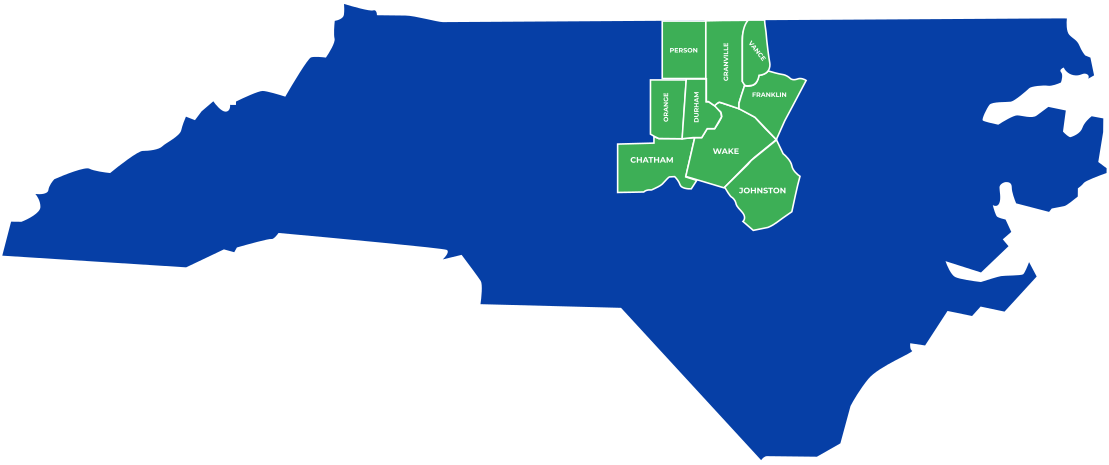

Capability to meet virtually to help all NC residents