
Being named in a will doesn’t come with a seat at the executor’s kitchen table. North Carolina gives beneficiaries something more dependable: a court-supervised paper trail.
In North Carolina, a beneficiary’s right to information during probate comes mainly through the clerk of superior court. When a will is probated, the clerk mails notice to the beneficiaries whose addresses are known (§ 28A-2A-3). Once filed, the will becomes a public record that anyone may view (NC Judicial Branch). The executor must also file an inventory and regular accountings with the clerk, showing what the estate owns, what came in, and what went out (§ 28A-21-1).
When those filings don’t happen, beneficiaries have enforcement tools:
- Ask the clerk to compel an accounting from an executor who misses a filing
- Request an examination of anyone believed to be holding estate property
- Seek removal of an executor who won’t do the job
What North Carolina probate law doesn’t generally give beneficiaries is a right to approve every decision in advance. Knowing the difference between what you’re entitled to and what you can merely ask for is the key to protecting your inheritance without starting an unnecessary fight.
What Beneficiaries Are Entitled to See
Notice That the Will Was Probated
When a will is filed for probate, the clerk is required to mail notice to the beneficiaries named in it whose addresses are known. If you never received notice, check with the clerk’s office in the county where the decedent lived. Your address may simply be out of date.
The Public Estate File
This is the most powerful source of information most beneficiaries have. The estate file at the clerk’s office typically includes:
- The probated will and the order admitting it
- Letters testamentary or letters of administration, showing who has authority to act. Learn more about letters testamentary in North Carolina
- The inventory, due within three months after the executor qualifies. See our inventory guide
- Annual accounts, if the estate stays open past its first year
- The final account, showing every receipt, payment, and distribution
- Notices, motions, and orders, such as extensions of time or requests to sell property
You can inspect the file in person and request copies, usually for a per-page fee. Sensitive details such as full account numbers may be redacted.
Accountings Backed by Proof
Every accounting must be filed under oath, and the executor must produce vouchers or verified proof for each payment. The clerk reviews and audits the accounts before approving them (§ 28A-21-1). In other words, the court checks the executor’s math. Beneficiaries don’t have to take the executor’s word for it.
Notice of the Final Account (Sometimes)
Executors may choose to send beneficiaries a copy of the proposed final account before filing it. That step is optional, but it matters. Once you receive the notice, you have 30 days to object to anything disclosed. After that, the account is treated as accepted (§ 28A-21-6). If you receive one of these notices, read it carefully and don’t let the 30 days slip by.
What Beneficiaries Generally Aren’t Entitled To
Setting realistic expectations prevents a lot of unnecessary conflict.
- Approval of routine decisions. Executors can pay valid bills, sell personal property, and manage estate accounts without asking beneficiaries first.
- Constant updates on the executor’s schedule. Good executors communicate regularly, but North Carolina probate law centers on the court filings, not on weekly reports.
- Details of assets outside probate. Life insurance payable to a named beneficiary, retirement accounts, and jointly owned property typically don’t appear in the estate file.
- An immediate inheritance. The estate must first get through the creditor period and pay valid debts.
- Personal information about other beneficiaries beyond what appears in the court record.
Estate Beneficiaries vs. Trust Beneficiaries: A Key Difference
If your loved one used a trust, the rules change significantly. Trust administration usually happens outside the court file. In exchange, North Carolina gives trust beneficiaries a direct statutory right to information from the trustee.
Under § 36C-8-813, a trustee must generally provide qualified beneficiaries with reasonably complete and accurate information about the trust property. On a reasonable request, the trustee must also provide a copy of the trust instrument and allow reasonable inspection of trust accounts and records. The statute also makes clear that a trustee doesn’t have to tell beneficiaries about transactions in advance.
| Probate Estate | Trust | |
| Where the information lives | The public court file | With the trustee, privately |
| Main source of accountability | Clerk review of sworn accountings | The trustee’s duty to inform and report |
| Copy of the governing document | The probated will is public | A qualified beneficiary may request the trust instrument |
| Advance notice of transactions | Generally no | No, by statute |
| Where to go if information is withheld | The clerk of superior court | The clerk of superior court, in a trust proceeding |
Trust terms can sometimes modify these default rules, and the rules differ while a revocable trust’s creator is still living. Learn more about how trusts work.
What to Do If the Executor Won’t Share Information
Most information problems are communication problems, not misconduct. Start simple and escalate only if you need to.
- Check the estate file first. Many answers are already on record with the clerk.
- Ask the executor in writing. Be specific about what you need and why, and give a reasonable deadline.
- Ask the clerk to compel an overdue accounting. If the executor misses a required filing, the clerk can order a full accounting within 20 days. An executor who still fails to comply can be removed (§ 28A-21-4).
- Request an examination of anyone holding estate property. Any interested person can bring an estate proceeding asking the clerk to examine people believed to possess estate property. The clerk can order the property recovered and enforce that order through contempt (§ 28A-15-12).
- Seek removal in serious cases. This is reserved for real problems such as mismanagement, conflicts of interest, or refusing to act.
A note on tone: executors are often grieving family members doing unfamiliar work. A calm, specific written request usually gets further than an accusation, and it creates a clear record if you need the court’s help later.
Red Flags Worth a Closer Look
Some situations warrant prompt legal advice:
- No inventory filed more than three months after the executor qualified
- Assets you know existed missing from the inventory
- Estate funds mixed with the executor’s personal accounts
- Property sold without explanation, especially to the executor or their family
- A final account that doesn’t match what you know about the estate
- An executor who stops responding entirely
If a sale is at issue, see whether an executor can sell property without beneficiary approval. Executors are compensated for their work, and a court can reduce the commission of an executor who acts improperly. Learn how executors get paid in North Carolina.
For Executors: Transparency Is Your Best Protection
If you’re serving as executor, sharing information freely isn’t just courteous. It’s strategic. Regular updates, copies of what you file, and early answers to questions head off most disputes before they start. Sending beneficiaries the optional notice of your proposed final account gives them a defined 30-day window to raise concerns. That gives you real confidence when you close the estate. Learn more about how estate assets are distributed.
How Our Personalized Approach Helps Beneficiaries and Executors
We represent both executors and beneficiaries, and we’ve seen what happens when communication breaks down on either side. Our personalized approach starts with your specific concern: what you know, what you don’t, and what outcome you’re hoping for. Sometimes a single review of the estate file answers every question. Other times, a firm request to the clerk is the right next step. We help you choose the path that protects your interests and preserves family relationships where possible.
Getting started begins with a free Discovery Call, where we learn about your situation and confirm we’re a good fit. Next, you’ll meet one of our attorneys for a free Initial Strategy Meeting to discuss your options, the services that fit, and pricing options tailored to your needs.
Frequently Asked Questions
Can a beneficiary get a copy of the will in North Carolina?
Yes. Once the will is filed with the clerk after death, it becomes a public record. Anyone may view it or request a copy for a fee.
Does the executor have to give beneficiaries an accounting?
The executor must file sworn accountings with the clerk, and those filings are available in the estate file. Some executors also send copies directly to beneficiaries, which is a good practice.
How do I find out if an estate has been opened?
Contact the clerk of superior court in the county where the decedent lived and ask for the estate file by the decedent’s name.
Can I see information about life insurance or retirement accounts?
Usually not through the estate. Those assets typically pass directly to named beneficiaries and don’t appear in the court file unless they’re payable to the estate.
Get Clear Answers About Your Loved One’s Estate
You shouldn’t have to guess what’s happening with an inheritance. Contact us to schedule your free Discovery Call.
We proudly serve all of North Carolina, with attorneys based in Cary and Raleigh.
Author Bio

Paul Yokabitus
Founder & Estate Planning Lawyer
Paul Yokabitus is the founder of Cary Estate Planning, where he helps North Carolina families protect what matters most through wills, trusts, probate, and special needs planning. Known for his “planning, not paperwork” approach, Paul turns complex legal concepts into clear, practical strategies so clients feel informed and confident at every step. He has been recognized as a Business North Carolina Legal Elite attorney and a Super Lawyers Rising Star, and was named to the Triangle Business Journal’s 40 Under 40. A graduate of Campbell University School of Law, Paul lives in the Triangle with his wife, Alix, and their two sons.
Linkedin | Avvo | SuperLawyers







How We Help North Carolina Families


Paul and his team at Cary Estate Planning are fully committed to creating a personalized experience to develop thorough and comprehensive estate plans. They value their clients and go above and beyond to make sure that no details are missed. I would highly recommend Paul to anyone looking to create an estate plan.

I was referred to Paul by my Real Estate Attorney and I could not say enough about how exceptional the client service has been from everyone I spoke to. The communication is prompt and I feel like they really took the time to answer all my questions and set things up exactly as I wanted, but also recommended things to make it easier on my family down the line.
After attending one of Paul’s estate planning seminars, my husband and I knew we wanted Paul to assist us with our estate planning. His honest, professional approach to this necessary part of life put us at ease with the process. We will continue to recommend Paul and Cary Estate Planning.

We had a great experience working with Paul Yokabitus and the team at Cary Estate Planning to set up our Will and Estate Plan. The process was clear and easy, and in the age of COVID, our signing session was very well done, easy, and safe.

The Cary Estate Planning team will make sure that you have the information you need to be confident in your estate planning decisions. I learned so much from videos, a one-on-one in-person consultation, the website, emails, and a newsletter mailed the old fashioned way. The fee is very reasonable given the importance of estate planning. No matter the size or number of your assets, don’t procrastinate like I did!

Paul is a masterful attorney. He’s very good at taking your intentions and defining that into a durable Trust and Will. Best of all he is as simple and plain-spoken as you like. Or as fast as intellectual as you may be. It’s all about your your speed and your desired outcomes. Would strongly recommend this firm.
Trusted Estate Planning
Attorney Offices in Cary and Raleigh
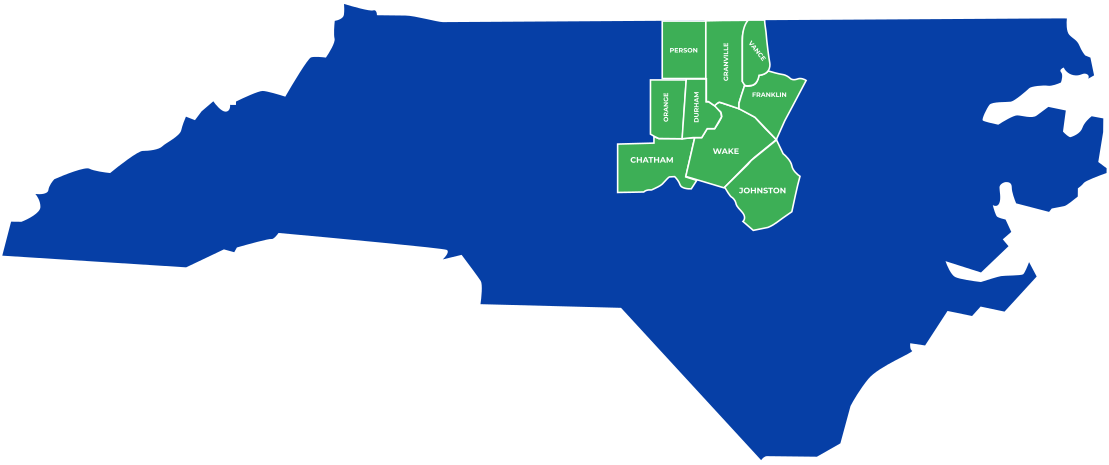

Capability to meet virtually to help all NC residents