A caveat is the formal way North Carolina law lets an interested person challenge whether a document offered as a will is truly valid. When a caveat is filed, the question of whether the paper writing is really the deceased person’s will gets decided by the court. It is a specific legal proceeding with its own rules and deadlines. Knowing what a caveat is helps families understand the process, and helps anyone making a will take steps to reduce the chance of one.
What a Caveat Actually Does
When a will is submitted to the clerk of superior court and admitted in what is called common form, it is accepted based on the basic paperwork. A caveat is the mechanism that lets an interested party say the court should take a closer look before treating that document as the final word.
In plain terms, a caveat:
- Challenges whether the offered document is a valid will
- Puts the question before the court rather than the clerk alone
- Pauses the normal distribution of the estate while it is resolved
- Is decided based on evidence about the will’s validity
The person who offers the will is called the propounder. The person who challenges it is called the caveator. The proceeding decides which document, if any, is the true will.
Who Can File a Caveat?
North Carolina law allows an “interested party” to file a caveat under N.C. Gen. Stat. § 31-32. An interested party is generally someone with a real stake in the outcome, whose interest would be affected by the will. That typically includes:
- Heirs at law, such as children or other close family
- Beneficiaries named in an earlier or later purported will
- Others with a genuine financial interest in the estate
Someone with no real interest in the estate generally cannot file. The law limits caveats to those whose inheritance would actually be affected by whether the will stands.
The Deadline to File
Timing is strict. Under § 31-32, a caveat generally must be filed at the time the will is offered for probate or within three years after the will is admitted in common form. Miss that window, and the right to file is usually lost.
There are narrow exceptions. For someone who was a minor or legally incompetent when the will was probated, the three-year clock may be measured differently. But for most people, the three-year deadline is firm. This is why anyone with real concerns about a will should not wait.
How a Caveat Proceeds
Once filed, a caveat follows a defined path. The general steps are:
- The caveat is filed with the clerk of superior court, in the estate file
- The clerk notes the caveat in the will record
- The matter is transferred to superior court
- Interested parties are served and aligned as propounders or caveators
- The case is decided in superior court, often by a jury
- Once resolved, estate administration resumes based on the outcome
While the caveat is pending, the personal representative is generally ordered to preserve estate assets and hold off on distributions, with only limited payments allowed. This keeps the estate intact until the question is settled.
What Happens to the Estate Meanwhile
A pending caveat effectively puts much of the estate on hold. During that time:
- Distributions to beneficiaries are generally frozen
- The personal representative must preserve and protect assets
- Only limited, approved payments can be made
- The normal timeline for settling the estate is paused
This pause protects everyone’s interest in the property until the court decides which will controls. It also means a caveat can extend the time it takes to settle an estate.
How the Outcome Affects Distribution
When the proceeding ends, the result determines how the estate passes:
- If the challenged will is upheld, it controls and administration continues under it
- If it is set aside, another valid will may control instead
- If no valid will remains, the estate passes under North Carolina’s intestacy rules
So the stakes are real. The outcome can change who inherits and how much. This is exactly why the process is careful and evidence-based.
Reducing the Risk of a Challenge
For anyone making a will, the practical lesson is that a clearly prepared, properly executed will is the best protection against a future challenge. While no plan can promise that no one will ever raise a question, a well-drafted plan makes a will far more likely to stand. Steps that help include:
- Having your will properly executed with the required formalities
- Keeping your will current and consistent with your wishes
- Making your intentions clear and your documents organized
- Working with an attorney so the will is prepared correctly the first time
A carefully prepared estate plan is the surest way to see that your wishes are the ones that hold up. Our attorneys focus on building clear, well-executed plans designed to do exactly that.
What a Caveat Is Not
It helps to clear up a few misconceptions. A caveat is a specific challenge to whether a document is a valid will. It is not a general tool for airing every family disagreement, and it does not resolve every dispute that can arise around an estate. A few points worth knowing:
- A caveat decides which will, if any, is valid, not who gets to live in a house or keep a particular item
- Only someone with a genuine interest in the estate can file one
- The three-year deadline is firm for most people
- Related questions, like property possession, are handled through separate processes
Knowing these boundaries helps families see what a caveat can and cannot do.
Why Prevention Is the Real Goal
For most people, the useful takeaway is not how to file a caveat but how to make one unlikely in the first place. A will that is properly executed, clearly written, and kept current gives far less room for anyone to question it. That is where good planning pays off. A carefully prepared plan reflects your wishes plainly and is built to hold up, which is the outcome nearly every family actually wants.
Building a Will That Stands
A caveat is North Carolina’s process for challenging a will’s validity, with a three-year deadline and a court proceeding to decide the outcome. The best defense is a clear, properly prepared will that reflects your wishes. Our attorneys focus on estate planning built to hold up and give your family clarity.
If you want a will that is clearly prepared and built to stand, our attorneys can help you put one in place.
We offer a free Discovery Call to understand your situation, followed by a free Initial Strategy Meeting to talk through your options and pricing.
We serve all of North Carolina. Our attorneys in Cary and Raleigh have helped many families work through these decisions with our personalized approach. Contact us to get started.
Author Bio
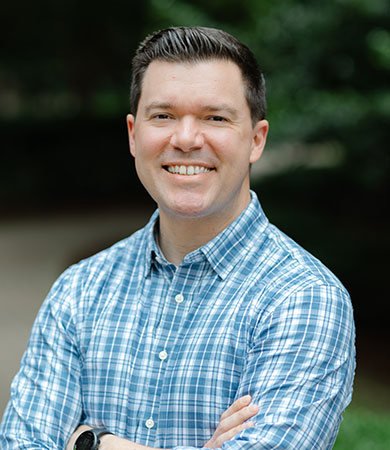
Paul Yokabitus
Founder & Estate Planning Lawyer
Paul Yokabitus is the founder of Cary Estate Planning, where he helps North Carolina families protect what matters most through wills, trusts, probate, and special needs planning. Known for his “planning, not paperwork” approach, Paul turns complex legal concepts into clear, practical strategies so clients feel informed and confident at every step. He has been recognized as a Business North Carolina Legal Elite attorney and a Super Lawyers Rising Star, and was named to the Triangle Business Journal’s 40 Under 40. A graduate of Campbell University School of Law, Paul lives in the Triangle with his wife, Alix, and their two sons.
Linkedin | Avvo | SuperLawyers







How We Help North Carolina Families


Paul and his team at Cary Estate Planning are fully committed to creating a personalized experience to develop thorough and comprehensive estate plans. They value their clients and go above and beyond to make sure that no details are missed. I would highly recommend Paul to anyone looking to create an estate plan.

I was referred to Paul by my Real Estate Attorney and I could not say enough about how exceptional the client service has been from everyone I spoke to. The communication is prompt and I feel like they really took the time to answer all my questions and set things up exactly as I wanted, but also recommended things to make it easier on my family down the line.
After attending one of Paul’s estate planning seminars, my husband and I knew we wanted Paul to assist us with our estate planning. His honest, professional approach to this necessary part of life put us at ease with the process. We will continue to recommend Paul and Cary Estate Planning.

We had a great experience working with Paul Yokabitus and the team at Cary Estate Planning to set up our Will and Estate Plan. The process was clear and easy, and in the age of COVID, our signing session was very well done, easy, and safe.

The Cary Estate Planning team will make sure that you have the information you need to be confident in your estate planning decisions. I learned so much from videos, a one-on-one in-person consultation, the website, emails, and a newsletter mailed the old fashioned way. The fee is very reasonable given the importance of estate planning. No matter the size or number of your assets, don’t procrastinate like I did!

Paul is a masterful attorney. He’s very good at taking your intentions and defining that into a durable Trust and Will. Best of all he is as simple and plain-spoken as you like. Or as fast as intellectual as you may be. It’s all about your your speed and your desired outcomes. Would strongly recommend this firm.
Trusted Estate Planning
Attorney Offices in Cary and Raleigh
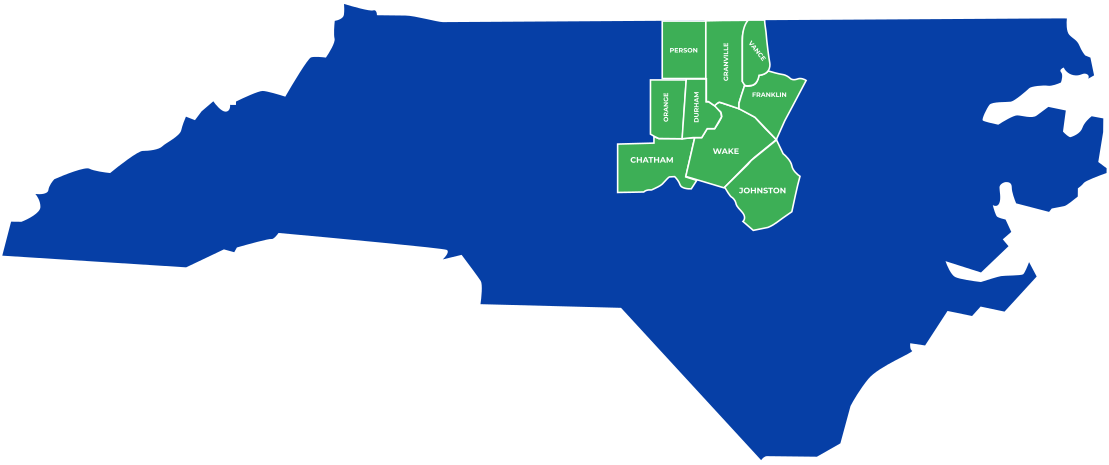

Capability to meet virtually to help all NC residents