
A pretermitted spouse is a surviving husband or wife who was left out of their spouse’s will, usually because the will was written before the marriage and never updated. Many states have a specific “pretermitted spouse” law that gives that spouse an automatic share.
North Carolina takes a different route. Here, a spouse left out of a will is protected mainly through the elective share, which lets the surviving spouse claim a portion of the estate regardless of what the will says.
How a Spouse Gets Left Out of a Will
This situation is more common than you might think. It usually happens when:
- A person made a will before marrying and never updated it
- The will leaves everything to children, relatives, or others
- The new spouse is simply not mentioned
- The person meant to update the will but never got around to it
In most of these cases, leaving the spouse out was an oversight, not a deliberate choice. North Carolina law provides protection precisely because these omissions are so often accidental.
Marriage Does Not Cancel an Old Will
A common assumption is that getting married automatically cancels an earlier will. In North Carolina, that is not the case. Under N.C. Gen. Stat. § 31-5.3, a will is not revoked simply because the maker marries afterward. The old will stays valid.
But the same statute protects the new spouse. It says that a surviving spouse may petition for an elective share even when the will was made before the marriage. So while the old will still stands, the left-out spouse is not stuck with nothing. They have a statutory right to step in and claim a share.
The Elective Share: North Carolina’s Protection
The main protection for a left-out spouse in North Carolina is the elective share, found in N.C. Gen. Stat. § 30-3.1. The elective share lets a surviving spouse claim a set portion of the deceased spouse’s estate instead of accepting what the will provides, or does not provide.
Key features of the elective share:
- It applies whether the spouse was left out entirely or simply left less than the statutory share
- The size of the share is based on how long the couple was married
- Longer marriages generally entitle the spouse to a larger share
- It must be claimed within a deadline and through the proper process
The elective share is what does the work that a “pretermitted spouse” statute does in other states. It makes sure a surviving spouse cannot be cut out entirely, whether by accident or on purpose.
How the Share Is Determined
The elective share is not a flat amount. North Carolina uses a sliding scale tied to the length of the marriage, so a spouse married for many years is entitled to a larger portion than a spouse married only briefly. The calculation looks at the couple’s assets and applies the percentage that matches the length of the marriage.
Because the calculation involves several moving parts, including which assets count, it is an area where guidance helps. The main point for families to know is simple: a surviving spouse has a real, enforceable right to a share, and that right grows with the length of the marriage.
Deadlines and Waivers Matter
The elective share is not automatic. A surviving spouse has to claim it, and there are important limits:
- The claim must be filed within a set time after death or after the will is admitted
- Missing the deadline can mean losing the right
- A spouse can give up the right ahead of time through a valid prenuptial or postnuptial agreement
- A signed, valid waiver is generally enforceable
Because of the deadline, a surviving spouse who believes they were left out should act promptly rather than wait. And couples who intentionally agree to limit these rights can do so through a proper agreement.
The Better Fix: Update Your Will
While the elective share protects a left-out spouse, relying on it is not the ideal plan. Claiming an elective share can be more involved than simply inheriting under a well-drafted will. The cleaner solution is to keep your will current with your life.
Good practices include:
- Reviewing your will after any marriage
- Updating beneficiary designations after a marriage
- Making sure your plan reflects your current family
- Revisiting everything after major life changes like divorce or a new child
A quick update after marriage spares a surviving spouse the need to claim an elective share at all, and it makes your wishes clear. This is one of the simplest and most valuable reasons to keep an estate plan current.
What About Children Left Out of a Will?
Families often ask whether the same idea applies to children. North Carolina does address children born or adopted after a will was made, but the rules for an omitted child are different from the spousal elective share. A child in that situation may have rights depending on the circumstances and the will’s language.
The key point is that the spousal protection and any child-related protections are separate tracks with their own rules. If you are worried a family member was unintentionally left out, it is worth sorting out which rules actually apply rather than assuming.
The Simplest Safeguard
For anyone making or updating a plan, the simplest safeguard against all of this is a current, clearly drafted will. Reviewing your estate plan after a marriage, a new child, or any major life change keeps your documents matched to your family. That way, no one has to rely on statutory protections after the fact, and your wishes are the ones that guide the outcome.
Protecting a Spouse the Right Way
North Carolina does not use a classic pretermitted spouse law, but it protects a left-out spouse through the elective share, which grows with the length of the marriage. The surest protection, though, is a will that reflects your current marriage. Our attorneys can help you update your plan or understand a surviving spouse’s rights.
We serve all of North Carolina. Our attorneys in Cary and Raleigh have helped many families work through these decisions with our personalized approach. Contact us to get started.
Author Bio

Paul Yokabitus
Founder & Estate Planning Lawyer
Paul Yokabitus is the founder of Cary Estate Planning, where he helps North Carolina families protect what matters most through wills, trusts, probate, and special needs planning. Known for his “planning, not paperwork” approach, Paul turns complex legal concepts into clear, practical strategies so clients feel informed and confident at every step. He has been recognized as a Business North Carolina Legal Elite attorney and a Super Lawyers Rising Star, and was named to the Triangle Business Journal’s 40 Under 40. A graduate of Campbell University School of Law, Paul lives in the Triangle with his wife, Alix, and their two sons.
Linkedin | Avvo | SuperLawyers







How We Help North Carolina Families





Paul and his team at Cary Estate Planning are fully committed to creating a personalized experience to develop thorough and comprehensive estate plans. They value their clients and go above and beyond to make sure that no details are missed. I would highly recommend Paul to anyone looking to create an estate plan.

I was referred to Paul by my Real Estate Attorney and I could not say enough about how exceptional the client service has been from everyone I spoke to. The communication is prompt and I feel like they really took the time to answer all my questions and set things up exactly as I wanted, but also recommended things to make it easier on my family down the line.
After attending one of Paul’s estate planning seminars, my husband and I knew we wanted Paul to assist us with our estate planning. His honest, professional approach to this necessary part of life put us at ease with the process. We will continue to recommend Paul and Cary Estate Planning.

We had a great experience working with Paul Yokabitus and the team at Cary Estate Planning to set up our Will and Estate Plan. The process was clear and easy, and in the age of COVID, our signing session was very well done, easy, and safe.

The Cary Estate Planning team will make sure that you have the information you need to be confident in your estate planning decisions. I learned so much from videos, a one-on-one in-person consultation, the website, emails, and a newsletter mailed the old fashioned way. The fee is very reasonable given the importance of estate planning. No matter the size or number of your assets, don’t procrastinate like I did!

Paul is a masterful attorney. He’s very good at taking your intentions and defining that into a durable Trust and Will. Best of all he is as simple and plain-spoken as you like. Or as fast as intellectual as you may be. It’s all about your your speed and your desired outcomes. Would strongly recommend this firm.
Trusted Estate Planning
Attorney Offices in Cary and Raleigh
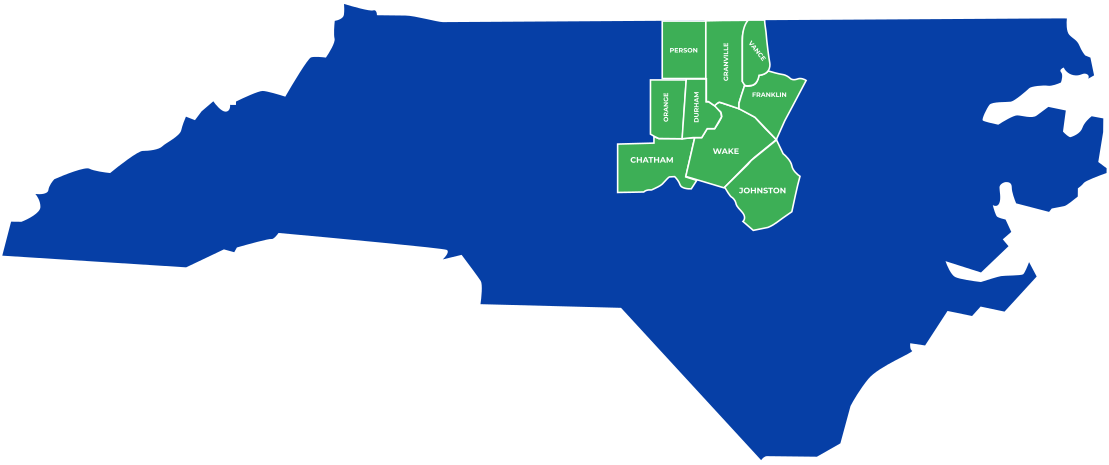

Capability to meet virtually to help all NC residents