A qualified income trust, also called a Miller trust, is a special account used in some states to help people with too much monthly income still qualify for long-term care Medicaid. Here is the part that surprises many families: North Carolina generally does not use qualified income trusts, because it handles the income question in a different way. Knowing that difference saves North Carolina residents from chasing a tool they likely do not need.
What a Qualified Income Trust Does
In states that use them, a qualified income trust solves a specific problem. Some states set a hard income cap for long-term care Medicaid. If your monthly income is even a little over that cap, you do not qualify, no matter how modest your savings are.
A qualified income trust fixes this by:
- Redirecting the excess monthly income into a special trust account
- Keeping that income from counting toward the Medicaid income limit
- Allowing the person to qualify for benefits
- Using the trust funds only for specific, approved purposes
The trust is managed by someone other than the applicant, and the money can only be spent according to Medicaid’s rules. In these “income cap” states, the trust is often the only way for an over-income applicant to get help.
Why North Carolina Is Different
North Carolina is not an income cap state. Instead, it is what is called a medically needy, or spend-down, state. This changes the picture completely.
In North Carolina:
- There is no hard income cap that automatically disqualifies you for having too much income
- Income above the state’s limit becomes a “spend-down,” similar to a deductible
- You meet that spend-down by putting your income toward your own medical and care costs
- Once you have spent down to the limit, Medicaid can begin to help
Because of this system, North Carolina generally does not require or use qualified income trusts. The spend-down process handles the excess income problem that a qualified income trust solves elsewhere. If you have read national articles urging you to set up a Miller trust, that advice usually does not fit North Carolina.
How the Spend-Down Works Here
The spend-down is the North Carolina answer to the same problem. In simple terms, if your income is above the state’s Medicaid limit, you are responsible for a share of your care costs, and Medicaid picks up the rest once you meet that share.
The general idea:
- The state sets a medically needy income limit
- Income above that limit is your spend-down amount
- You apply that amount toward your medical and long-term care expenses
- After meeting the spend-down, Medicaid coverage kicks in
For someone in a nursing home, most of their monthly income typically goes toward the cost of care anyway, with a small personal needs allowance kept back. The spend-down framework is built around this reality.
What This Means for Your Planning
The takeaway is not that Medicaid planning is unnecessary in North Carolina. It is that the tools are different. Qualified income trusts are usually the wrong focus here. The real planning questions in North Carolina tend to center on assets, not just income.
Common North Carolina Medicaid planning concerns include:
- Protecting assets while still qualifying for long-term care coverage
- Learning how the look-back period on asset transfers works
- Protecting a home and a healthy spouse’s financial security
- Coordinating trusts designed for asset protection, which are different from income trusts
These are areas where planning genuinely helps, and they are different from the income-cap problem a Miller trust addresses. A trust-based plan in North Carolina is usually about assets and protection, not routing income.
Do Not Confuse These Trusts
Because the names sound similar, families often mix up several different tools. It helps to keep them straight:
- Qualified income trust (Miller trust): For income-cap states, to handle excess income. Generally not used in North Carolina.
- Special needs trust: Protects assets for a disabled person without losing needs-based benefits. Used in North Carolina.
- Asset protection trusts: Used in longer-term Medicaid planning to protect assets, subject to look-back rules.
Reaching for a qualified income trust in North Carolina usually means someone applied out-of-state advice to an in-state situation. The right move is to plan around North Carolina’s actual rules.
A Common Source of Confusion
The mix-up usually comes from national content. A search for Medicaid income rules turns up articles written for income-cap states, where a Miller trust is a must. A North Carolina family reads that and assumes they need one too. They usually do not.
A few points help keep it straight:
- The tool exists for a problem North Carolina solves differently
- North Carolina’s spend-down handles excess income without a special trust
- Advice written for other states can send you down the wrong path
- The planning that helps most here is about protecting assets, not routing income
When in doubt, the safest step is to get guidance specific to North Carolina rather than acting on general online advice about income trusts.
Getting North Carolina Medicaid Planning Right
Because North Carolina uses a spend-down instead of an income cap, families here rarely need a qualified income trust. What they do need is planning suited to North Carolina’s rules, especially around assets and long-term care. Steps that help include:
- Learning how the spend-down applies to your situation
- Looking at asset protection well before care is needed, given look-back rules
- Coordinating Medicaid planning with your overall estate plan
- Getting advice specific to North Carolina rather than general national guidance
Planning early gives you the most options. Waiting until care is urgent narrows what can be done.
Planning Around North Carolina’s Actual Rules
A qualified income trust is a useful tool in income-cap states, but North Carolina’s spend-down system means most families here will not use one. What matters is planning built around North Carolina’s real rules. Our attorneys can help you sort out what actually applies to your situation.
If you are planning for long-term care in North Carolina, our attorneys can help you focus on what actually applies here.
We serve all of North Carolina. Our attorneys in Cary and Raleigh have helped many families work through these decisions with our personalized approach. Contact us to get started.
Author Bio

Paul Yokabitus
Founder & Estate Planning Lawyer
Paul Yokabitus is the founder of Cary Estate Planning, where he helps North Carolina families protect what matters most through wills, trusts, probate, and special needs planning. Known for his “planning, not paperwork” approach, Paul turns complex legal concepts into clear, practical strategies so clients feel informed and confident at every step. He has been recognized as a Business North Carolina Legal Elite attorney and a Super Lawyers Rising Star, and was named to the Triangle Business Journal’s 40 Under 40. A graduate of Campbell University School of Law, Paul lives in the Triangle with his wife, Alix, and their two sons.
Linkedin | Avvo | SuperLawyers







How We Help North Carolina Families


Paul and his team at Cary Estate Planning are fully committed to creating a personalized experience to develop thorough and comprehensive estate plans. They value their clients and go above and beyond to make sure that no details are missed. I would highly recommend Paul to anyone looking to create an estate plan.

I was referred to Paul by my Real Estate Attorney and I could not say enough about how exceptional the client service has been from everyone I spoke to. The communication is prompt and I feel like they really took the time to answer all my questions and set things up exactly as I wanted, but also recommended things to make it easier on my family down the line.
After attending one of Paul’s estate planning seminars, my husband and I knew we wanted Paul to assist us with our estate planning. His honest, professional approach to this necessary part of life put us at ease with the process. We will continue to recommend Paul and Cary Estate Planning.

We had a great experience working with Paul Yokabitus and the team at Cary Estate Planning to set up our Will and Estate Plan. The process was clear and easy, and in the age of COVID, our signing session was very well done, easy, and safe.

The Cary Estate Planning team will make sure that you have the information you need to be confident in your estate planning decisions. I learned so much from videos, a one-on-one in-person consultation, the website, emails, and a newsletter mailed the old fashioned way. The fee is very reasonable given the importance of estate planning. No matter the size or number of your assets, don’t procrastinate like I did!

Paul is a masterful attorney. He’s very good at taking your intentions and defining that into a durable Trust and Will. Best of all he is as simple and plain-spoken as you like. Or as fast as intellectual as you may be. It’s all about your your speed and your desired outcomes. Would strongly recommend this firm.
Trusted Estate Planning
Attorney Offices in Cary and Raleigh
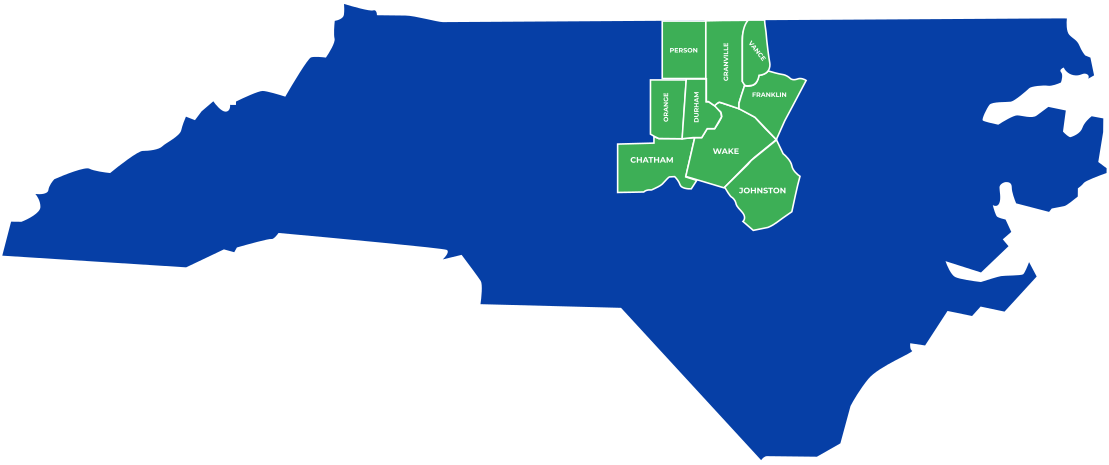

Capability to meet virtually to help all NC residents