
A statement of identity of heirs, more commonly called an affidavit of heirship in North Carolina, is a sworn document that identifies the legal heirs of someone who died without a will. It records the family history and names the people entitled to inherit under state law. Families often use it to help clear the title to real estate when a loved one dies intestate, though it has real limits worth knowing.
What This Document Does
When a person dies without a will, North Carolina’s intestate succession laws decide who inherits. An affidavit of heirship puts that information into a formal, sworn record. The document typically identifies:
- The deceased person’s full name, date of death, and county of residence
- A statement that the person died without a will
- The family history, including marriages, children, and other relatives
- The heirs entitled to inherit under North Carolina law
- A legal description of any real estate involved
The affidavit is usually signed by someone with personal knowledge of the family, often a person who is not an heir and has no financial stake, and it is notarized. Once recorded, it becomes part of the public record.
Why Families Use an Affidavit of Heirship
The most common reason to prepare this document is real estate. When someone dies without a will, title to their real property passes to their heirs at death, but the public records still show the deceased as the owner. An affidavit of heirship helps bridge that gap by documenting who the heirs are.
North Carolina law allows a recorded affidavit of heirship to serve as evidence of heirship under N.C. Gen. Stat. § 47-37. Families and title professionals use it to:
- Document the chain of title after an intestate death
- Help clear clouds on the title to inherited property
- Provide a record of the family history for future reference
- Support other steps in handling inherited real estate
For a straightforward situation, this document can be a helpful piece of the puzzle.
The Limits of an Affidavit of Heirship
Here is where families need to be careful. An affidavit of heirship is helpful, but it is not a cure-all, and it does not by itself create clean, insurable title in every case. Important limits include:
- It provides evidence of heirship, but any interested party can still challenge it
- Title companies do not accept it as enough to insure a sale in every case
- It does not resolve creditor claims against the estate
- If there are minor heirs, unknown heirs, or missing heirs, it may not be sufficient
- A buyer often cannot rely on it alone for a clean chain of title
In many real estate sales, a buyer or title company will want more than an affidavit, such as a properly administered estate. So while the affidavit is useful, it is not a sure shortcut around probate.
When You Need More Than an Affidavit
Because of these limits, some situations call for opening an estate rather than relying on an affidavit alone. Opening an estate with the clerk of superior court is often the better path when:
- Real estate is being sold and a title company requires clear title
- There are creditor claims that need to be resolved
- Heirs are minors, unknown, or cannot be located
- The heirs disagree about the property
- A lender needs formal proof of ownership
In these cases, a properly administered estate creates the clear, recordable chain of title that an affidavit alone may not. Knowing which path fits your situation saves time and prevents problems at closing.
How Heirs Are Determined in the First Place
An affidavit of heirship is only as good as the family history behind it, so identifying heirs correctly matters. North Carolina’s intestate succession rules in Chapter 29 spread inheritance across relatives in a set order:
- Surviving spouse and children first
- Then grandchildren and more distant descendants
- Then parents, siblings, and their descendants
- Then more distant relatives such as grandparents, aunts, uncles, and cousins
Working through the family tree carefully is the heart of preparing an accurate affidavit. When the family is complicated, or when heirs are hard to locate, getting the analysis right is where guidance helps most.
Steps to Prepare an Affidavit of Heirship
If an affidavit of heirship fits your situation, the general process is:
- Gather the deceased’s information, including the death certificate and last county of residence
- Map the family history and identify heirs under North Carolina law
- Prepare the affidavit with a clear legal description of any real property
- Have someone with personal knowledge of the family sign it before a notary
- Record it with the register of deeds in the county where the property sits
- Confirm whether a title company or other party needs anything further
Because errors in identifying heirs can create title problems later, accuracy at each step is what makes the document useful.
Getting Heirship Right the First Time
A statement of identity of heirs, or affidavit of heirship, is a helpful tool for documenting who inherits when someone dies without a will, especially for real estate. It has real limits, though, and is not enough on its own in every case. Our attorneys can help you determine whether an affidavit fits your situation or whether opening an estate is the safer path.
If you are trying to sort out heirs and clear titles after a death, our attorneys can help you choose the right approach.
We serve all of North Carolina. Our attorneys in Cary and Raleigh have helped many families work through these decisions with our personalized approach. Contact us to get started.
Author Bio

Paul Yokabitus
Founder & Estate Planning Lawyer
Paul Yokabitus is the founder of Cary Estate Planning, where he helps North Carolina families protect what matters most through wills, trusts, probate, and special needs planning. Known for his “planning, not paperwork” approach, Paul turns complex legal concepts into clear, practical strategies so clients feel informed and confident at every step. He has been recognized as a Business North Carolina Legal Elite attorney and a Super Lawyers Rising Star, and was named to the Triangle Business Journal’s 40 Under 40. A graduate of Campbell University School of Law, Paul lives in the Triangle with his wife, Alix, and their two sons.
Linkedin | Avvo | SuperLawyers







How We Help North Carolina Families


Paul and his team at Cary Estate Planning are fully committed to creating a personalized experience to develop thorough and comprehensive estate plans. They value their clients and go above and beyond to make sure that no details are missed. I would highly recommend Paul to anyone looking to create an estate plan.

I was referred to Paul by my Real Estate Attorney and I could not say enough about how exceptional the client service has been from everyone I spoke to. The communication is prompt and I feel like they really took the time to answer all my questions and set things up exactly as I wanted, but also recommended things to make it easier on my family down the line.
After attending one of Paul’s estate planning seminars, my husband and I knew we wanted Paul to assist us with our estate planning. His honest, professional approach to this necessary part of life put us at ease with the process. We will continue to recommend Paul and Cary Estate Planning.

We had a great experience working with Paul Yokabitus and the team at Cary Estate Planning to set up our Will and Estate Plan. The process was clear and easy, and in the age of COVID, our signing session was very well done, easy, and safe.

The Cary Estate Planning team will make sure that you have the information you need to be confident in your estate planning decisions. I learned so much from videos, a one-on-one in-person consultation, the website, emails, and a newsletter mailed the old fashioned way. The fee is very reasonable given the importance of estate planning. No matter the size or number of your assets, don’t procrastinate like I did!

Paul is a masterful attorney. He’s very good at taking your intentions and defining that into a durable Trust and Will. Best of all he is as simple and plain-spoken as you like. Or as fast as intellectual as you may be. It’s all about your your speed and your desired outcomes. Would strongly recommend this firm.
Trusted Estate Planning
Attorney Offices in Cary and Raleigh
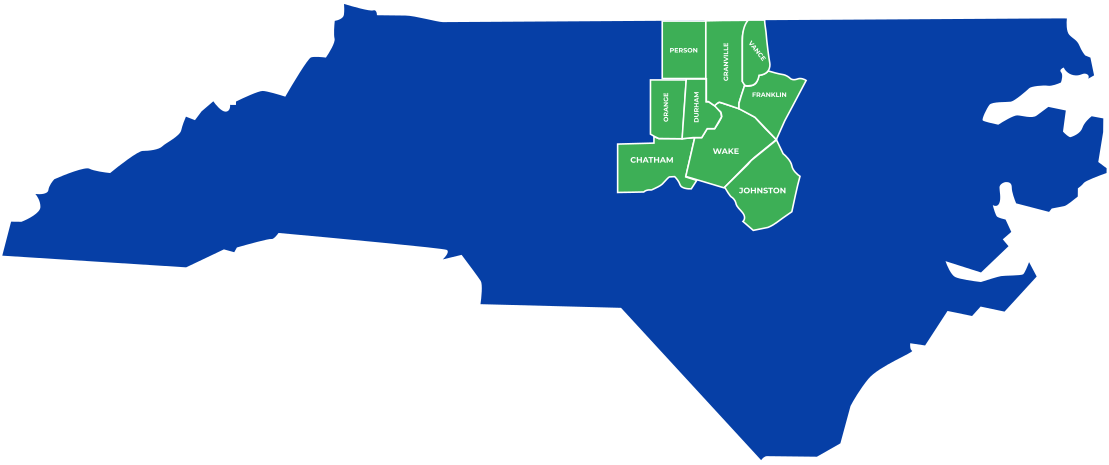

Capability to meet virtually to help all NC residents