Being named as someone’s Power of Attorney (POA) is an act of trust — and it comes with serious responsibilities. Whether you’ve been appointed to handle financial decisions, healthcare choices, or both, it’s important to understand what’s expected of you and how to prepare before you’re called to act.
Step 1: Review the Power of Attorney Document
The first thing you should do is review the Power of Attorney document carefully. Not all POAs are the same. You’ll want to confirm:
- When the document becomes effective. Some powers of attorney take effect immediately, while others — known as “springing” powers — only become active if the principal becomes incapacitated. Under the North Carolina Uniform Power of Attorney Act (Chapter 32C), a POA is durable by default unless the document states otherwise — meaning it remains effective even if the principal later loses capacity.
- What authority you’ve been given. Are you authorized to handle financial transactions, make healthcare decisions, or both? Understanding the scope of your authority will ensure you act within your legal limits and the principal’s intentions.
If possible, talk through these details with the principal directly so everyone is aligned on how and when you can act.
Step 2: Understand the Principal’s Wishes
Once you know your responsibilities, take time to learn the person’s wishes. Open communication helps you make decisions that truly reflect what they want — not just what seems reasonable in the moment.
For a healthcare power of attorney, this may include discussing:
- End-of-life preferences and treatment options
- Hospital or care facility preferences
- Organ donation wishes
For a financial power of attorney, be sure to understand their financial landscape. You’ll need to know:
- Where bank and investment accounts are located
- How to access essential financial information
- What recurring expenses, tax obligations, or debts exist
Knowing what matters most to the principal — and how to manage their affairs effectively — will make your authority meaningful, not just symbolic. If no POA is in place and a loved one becomes incapacitated, the alternative is often a court-supervised guardianship proceeding, which is far more time-consuming and costly for everyone involved.
Step 3: Know Where to Find Key Documents
In an emergency, access matters. Make sure you know where all critical documents are stored, including:
- The original Power of Attorney document
- Healthcare directives and advance directives or living wills
- Account information, deeds, insurance policies, and passwords
Keeping a secure, organized record of this information ensures you can act swiftly and confidently if the time comes. A POA that exists but can’t be located when it’s needed is a plan that can’t be executed.
A Trusted Role in Protecting a Legacy
Serving as a Power of Attorney is more than paperwork — it’s a promise to uphold someone’s wishes and protect their well-being or financial security. By familiarizing yourself with the scope of your role and the principal’s priorities, you can make informed, compassionate decisions when they matter most.
A well-drafted POA is also one piece of a broader estate plan. If you or a loved one need help setting up a Power of Attorney or reviewing an existing one, contact us to schedule a free Discovery Call. Our personalized approach ensures your documents are drafted correctly and that your wishes are clearly documented from the start.
Call our office at 919-659-8433 or schedule directly at your convenience: calendly.com/caryep/discovery-call-get-started-cep-blog
Author Bio

Paul Yokabitus
Founder & Estate Planning Lawyer
Paul Yokabitus is the founder of Cary Estate Planning, where he helps North Carolina families protect what matters most through wills, trusts, probate, and special needs planning. Known for his “planning, not paperwork” approach, Paul turns complex legal concepts into clear, practical strategies so clients feel informed and confident at every step. He has been recognized as a Business North Carolina Legal Elite attorney and a Super Lawyers Rising Star, and was named to the Triangle Business Journal’s 40 Under 40. A graduate of Campbell University School of Law, Paul lives in the Triangle with his wife, Alix, and their two sons.
Linkedin | Avvo | SuperLawyers







How We Help North Carolina Families


Paul and his team at Cary Estate Planning are fully committed to creating a personalized experience to develop thorough and comprehensive estate plans. They value their clients and go above and beyond to make sure that no details are missed. I would highly recommend Paul to anyone looking to create an estate plan.

I was referred to Paul by my Real Estate Attorney and I could not say enough about how exceptional the client service has been from everyone I spoke to. The communication is prompt and I feel like they really took the time to answer all my questions and set things up exactly as I wanted, but also recommended things to make it easier on my family down the line.
After attending one of Paul’s estate planning seminars, my husband and I knew we wanted Paul to assist us with our estate planning. His honest, professional approach to this necessary part of life put us at ease with the process. We will continue to recommend Paul and Cary Estate Planning.

We had a great experience working with Paul Yokabitus and the team at Cary Estate Planning to set up our Will and Estate Plan. The process was clear and easy, and in the age of COVID, our signing session was very well done, easy, and safe.

The Cary Estate Planning team will make sure that you have the information you need to be confident in your estate planning decisions. I learned so much from videos, a one-on-one in-person consultation, the website, emails, and a newsletter mailed the old fashioned way. The fee is very reasonable given the importance of estate planning. No matter the size or number of your assets, don’t procrastinate like I did!

Paul is a masterful attorney. He’s very good at taking your intentions and defining that into a durable Trust and Will. Best of all he is as simple and plain-spoken as you like. Or as fast as intellectual as you may be. It’s all about your your speed and your desired outcomes. Would strongly recommend this firm.
Trusted Estate Planning
Attorney Offices in Cary and Raleigh
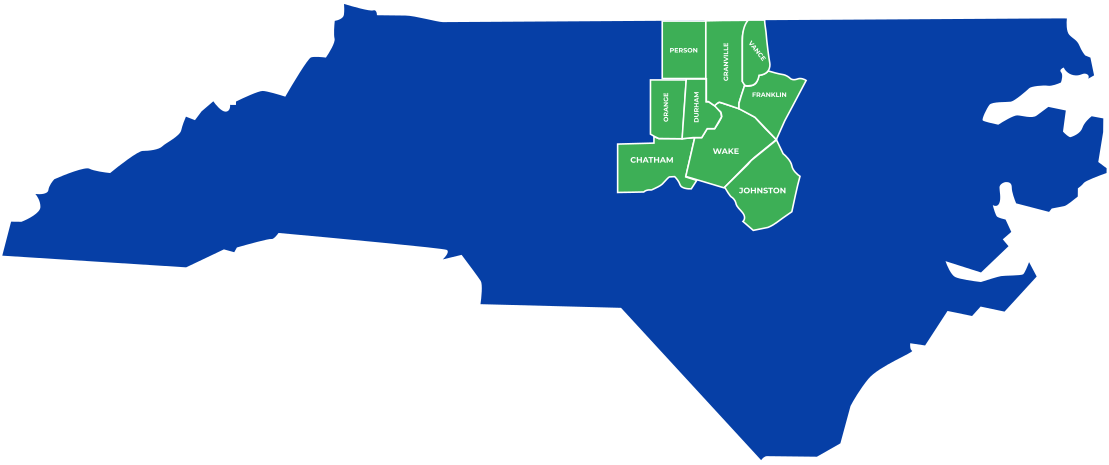

Capability to meet virtually to help all NC residents