Finding out you have been named the executor of an estate can feel overwhelming—especially when you are actively grieving the loss of a loved one. While probate involves a long road ahead, taking the right steps during your first week will save your family months of stress, delays, and financial hardship down the line.
If you were recently appointed as an executor in North Carolina, focus on this concise, 6-step checklist to protect the estate and yourself during week one.
Step 1: Order Certified Copies of the Death Certificate
Order 10 to 15 original, certified death certificates. While this sounds like a lot, nearly every financial institution, bank, insurance company, and credit agency will demand an original copy to grant you administrative access.
- Where to get them: You can request certified copies through the funeral home assisting your family or directly through the Register of Deeds in the North Carolina county where your loved one passed away.
- Pro-tip: Ordering extra certified copies upfront costs relatively little per copy and prevents complete halts in administration later while waiting on reorders.
Step 2: Locate the Original Last Will and Testament
North Carolina probate courts require the original physical will featuring wet-ink signatures, witness signatures, and notarization. A PDF, photocopy, or emailed draft will not suffice for initial court probate filings.
Look for the original will among important papers in standard places:
- Home filing cabinets, desks, or home offices
- A home safe or master bedroom closet
- A safe deposit box
- The drafting estate planning attorney’s office
If you cannot locate the original document, contact a North Carolina probate attorney immediately.
Step 3: Secure the Property and Document Assets
Protect the deceased person’s home and personal belongings right away:
- Secure the Premises: Ensure all doors and windows are locked, and consider changing the locks if it is unclear who holds keys.
- Document Everything: Take clear photos or video footage of all personal property inside the residence for inventory purposes.
- Freeze Distribution: Beneficiaries named in the will are not permitted to enter the home and remove personal items at will. No property should be distributed or removed at this stage.
Step 4: Notify Social Security, the VA, and Pension Providers
Reach out to key agencies to report the passing and stop ongoing recurring benefit payments:
- Social Security Administration (SSA): Funeral homes usually report deaths directly to the SSA, but you should verify this notification.
- Veterans Affairs (VA) & Pensions: Notify the VA, annuity providers, and pension plan administrators directly.
Stopping payments immediately prevents government agencies or providers from clawing back overpayments from the estate account later.
Step 5: Know What Not to Do (Protect Yourself from Liability)
Executors can be held personally liable for premature or improper actions taken before official court qualification. During your first week, avoid these common mistakes:
- Do NOT distribute cash or personal assets to beneficiaries.
- Do NOT pay outstanding bills or debts using personal funds.
- Do NOT move, sell, or transfer bank accounts or real estate.
- Do NOT sign paperwork provided by debt collectors or insurance companies.
Step 6: Hire a North Carolina Probate Attorney
Navigating the probate process involves strict clerk of court deadlines, notice to creditors, initial inventory filings, and annual/final accountings. Attempting to manage an estate without legal counsel creates unnecessary personal liability and procedural risk.
Partnering with an experienced probate attorney ensures all pleadings and notifications are filed correctly and on time. Furthermore, reasonable legal fees paid for estate administration assistance are generally reimbursable directly from estate assets.
Get Professional Guidance for Your Probate Journey
Taking these six actions during your first week fulfills your most critical immediate responsibilities as an executor. To learn more about navigating the official 90-day probate checklist or to schedule a consultation with our estate settlement team, call our office at 919-659-8433 or directly schedule a free discovery call at your convenience: calendly.com/caryep/discovery-call-get-started-cep-blog
Author Bio

Paul Yokabitus
Founder & Estate Planning Lawyer
Paul Yokabitus is the founder of Cary Estate Planning, where he helps North Carolina families protect what matters most through wills, trusts, probate, and special needs planning. Known for his “planning, not paperwork” approach, Paul turns complex legal concepts into clear, practical strategies so clients feel informed and confident at every step. He has been recognized as a Business North Carolina Legal Elite attorney and a Super Lawyers Rising Star, and was named to the Triangle Business Journal’s 40 Under 40. A graduate of Campbell University School of Law, Paul lives in the Triangle with his wife, Alix, and their two sons.
Linkedin | Avvo | SuperLawyers







How We Help North Carolina Families


Paul and his team at Cary Estate Planning are fully committed to creating a personalized experience to develop thorough and comprehensive estate plans. They value their clients and go above and beyond to make sure that no details are missed. I would highly recommend Paul to anyone looking to create an estate plan.

I was referred to Paul by my Real Estate Attorney and I could not say enough about how exceptional the client service has been from everyone I spoke to. The communication is prompt and I feel like they really took the time to answer all my questions and set things up exactly as I wanted, but also recommended things to make it easier on my family down the line.
After attending one of Paul’s estate planning seminars, my husband and I knew we wanted Paul to assist us with our estate planning. His honest, professional approach to this necessary part of life put us at ease with the process. We will continue to recommend Paul and Cary Estate Planning.

We had a great experience working with Paul Yokabitus and the team at Cary Estate Planning to set up our Will and Estate Plan. The process was clear and easy, and in the age of COVID, our signing session was very well done, easy, and safe.

The Cary Estate Planning team will make sure that you have the information you need to be confident in your estate planning decisions. I learned so much from videos, a one-on-one in-person consultation, the website, emails, and a newsletter mailed the old fashioned way. The fee is very reasonable given the importance of estate planning. No matter the size or number of your assets, don’t procrastinate like I did!

Paul is a masterful attorney. He’s very good at taking your intentions and defining that into a durable Trust and Will. Best of all he is as simple and plain-spoken as you like. Or as fast as intellectual as you may be. It’s all about your your speed and your desired outcomes. Would strongly recommend this firm.
Trusted Estate Planning
Attorney Offices in Cary and Raleigh
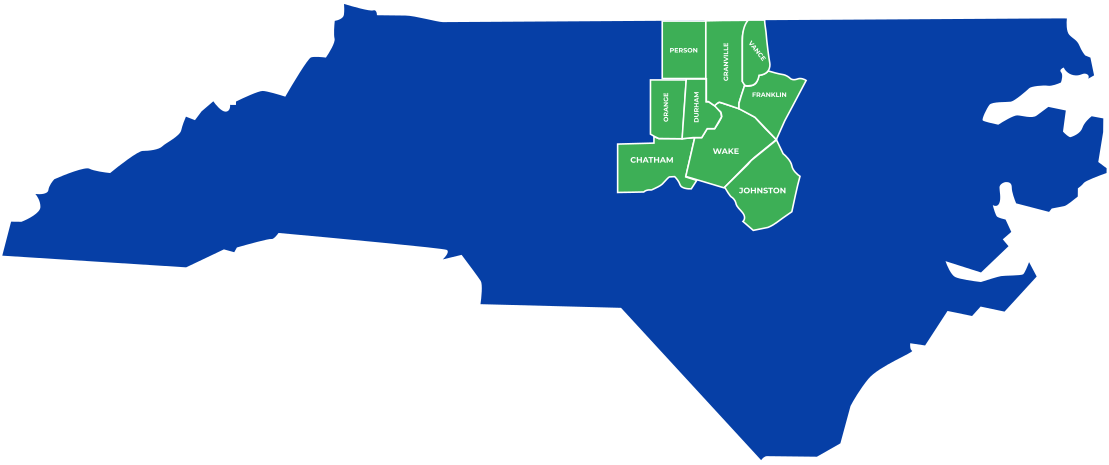

Capability to meet virtually to help all NC residents