North Carolina doesn’t set one fixed deadline for handing out an inheritance, but the law makes the expected pace clear. An executor generally must file the estate’s final account within one year of qualifying, unless the clerk of superior court allows more time (N.C. Gen. Stat. § 28A-21-2). Before any inheritance goes out, the executor has to wait out the creditor claim period. That period lasts at least three months from the first published notice to creditors (§ 28A-14-1). The executor also has to pay the estate’s valid debts first (§ 28A-22-1).
In practice, that usually looks like this:
- Earliest realistic distribution: roughly four to six months after the executor qualifies
- A straightforward estate: distributed and closed in about a year
- Estates with real estate, disputes, missing heirs, or tax questions: often longer
You may be a beneficiary wondering why nothing has arrived yet. Or you may be an executor feeling pressure from family. Either way, the timeline below shows what’s happening behind the scenes and why.
The North Carolina Estate Timeline at a Glance
Every estate moves through the same core stages. Here’s how they line up and how each one affects when beneficiaries get paid.
| Stage | When It Happens | What It Means for Distribution |
| Executor qualifies | After the will is filed with the clerk | The executor receives letters testamentary and gains legal authority. Nothing can be distributed yet. |
| Notice to creditors | Soon after qualifying; published once a week for four weeks | Starts the clock for creditor claims (§ 28A-14-1) |
| Inventory filed | Within three months of qualifying | Tells the clerk what the estate owns |
| Creditor deadline passes | At least three months after first publication | The executor can finally see the estate’s full debts |
| Spouse’s elective share window closes | Six months after letters are issued | Removes a major unknown, especially for blended families (§ 30-3.4) |
| Annual account due (if still open) | 30 days after the one-year anniversary of qualifying | The clerk reviews every dollar in and out (§ 28A-21-1) |
| Final account filed | Within one year of qualifying, unless extended | Distributions are complete and the estate can close |
Why Executors Can’t Distribute Assets Right Away
North Carolina law sets a clear order: costs of administration, taxes, and valid claims come first, and beneficiaries come after (§ 28A-22-1). Several rules make waiting the safer choice.
- Creditors get the first look. Until the claim deadline passes, the executor can’t know how much the estate actually owes.
- Executors can be personally responsible. Suppose an executor pays out inheritances and a valid debt surfaces later that the estate can no longer cover. The executor may have to answer for the shortfall.
- Some claims run on their own clocks. Claims that arise at or after death, such as certain final expenses, have separate deadlines. And when an executor rejects a claim in writing, the creditor has three months to file a lawsuit.
- Surviving family members have protected rights. A surviving spouse may claim an elective share within six months after letters are issued. Spouses and children may also request statutory allowances. The final-account statute expressly preserves these rights (§ 28A-21-2(b)).
- Tax returns have to be filed. Every estate needs the decedent’s final income tax return, and many need estate income tax filings. North Carolina has no estate tax for deaths after 2012. The federal estate tax only reaches estates above $15 million per person in 2026, so very few families face it.
Waiting protects everyone. It protects the executor from personal liability, and it protects beneficiaries from being asked to return money later.
What Can Push Distribution Past the One-Year Mark
Most delays have ordinary causes, not wrongdoing. These are the most common ones we see.
- A rejected creditor claim becomes a lawsuit. The estate usually can’t close until the dispute is resolved.
- Real estate has to be sold. Court-supervised sales are open to “upset bids” for 10 days after the sale is reported. Each new upset bid can restart that window. If a sale is on the table, read our guide on whether an executor can sell property without beneficiary approval.
- An heir or beneficiary can’t be found. North Carolina allows the executor to deliver a missing beneficiary’s share to the clerk so the estate can close (§ 28A-22-9). Diligent searching comes first, though.
- Family members disagree, or someone contests the will. Disputes over what the will means, what assets are worth, or whether the will is valid all stop the process.
- The estate holds complicated assets. Business interests, property in another state, and accounts that are hard to value all take longer.
- The executor’s life changes. Relocation, illness, or burnout can stall things. See what happens if an executor moves out of state.
A Real North Carolina Example: In re Estate of Taylor
On paper, this estate should have been quick. The decedent died in May 2012. Her son qualified as executor within days and published notice to creditors that same month. The creditor deadline fell in August 2012.
Then the complications stacked up:
- One of the decedent’s daughters filed a claim for caregiving services. The executor rejected it, and she sued the estate.
- More than a year after the death, she also requested reimbursement for funeral costs.
- Family members then disputed the estate’s legal fees. That fight went from the clerk to superior court and then to the North Carolina Court of Appeals.
In 2015, three years after the death, the Court of Appeals agreed that the funeral reimbursement claim had been filed too late (In re Estate of Taylor, No. COA15-159, July 7, 2015). The estate still wasn’t closed.
The lesson: most estates never see a courtroom. But one unresolved claim can hold up every beneficiary’s inheritance. Handling claims early and keeping clear records are the best protection against years of delay.
Can an Executor Make Partial Distributions Before the Estate Closes?
Often, yes. Once the creditor deadline passes and the debts are known, an executor can distribute part of the estate. The executor should keep a reserve back for final expenses, taxes, and the executor’s commission.
A few rules make partial distributions work smoothly:
- Cash or in kind: Unless the will says otherwise, the executor has broad discretion to distribute cash, specific property, or a mix (§ 28A-22-8).
- Receipts for everything: Every beneficiary should sign a receipt. The clerk expects proof of each payment.
- Hold back enough: A reserve that’s too small is the most common reason executors end up asking beneficiaries to return money.
For a step-by-step look at how payouts work, see how estate assets are distributed to beneficiaries after death.
What Beneficiaries Can Do If the Executor Is Taking Too Long
Most delays have a legitimate explanation, and a direct conversation often clears things up. If it doesn’t, North Carolina gives beneficiaries real options.
- Ask for a written status update. Ask what’s been paid, what’s still pending, and what’s holding up distribution.
- Review the estate file. The inventory and accountings are filed with the clerk of superior court in the county where the estate is open.
- Ask the clerk to compel an accounting. If the executor misses a required accounting, the clerk can order one within 20 days. If the executor still fails to comply, the clerk can remove them (§ 28A-21-4).
- Petition to remove the executor. This is reserved for serious problems, such as mismanagement or refusing to act.
Executors are paid for their work, and a court can reduce the commission of an executor who acts improperly. Learn more about how executors get paid in North Carolina.
How Executors Can Keep the Estate Moving
Executors who follow these habits tend to close faster, with fewer family tensions:
- Open an estate bank account right away. Never mix estate money with personal funds.
- Publish the notice to creditors promptly. The three-month clock doesn’t start until the notice is published.
- Mail notice to known creditors. North Carolina requires it, and it heads off late surprises.
- Keep every receipt. The clerk requires proof of each payment in every accounting.
- Update beneficiaries on a schedule. Monthly check-ins prevent most conflicts before they start.
- Consider sending notice of the proposed final account. This step is optional. Once beneficiaries receive the notice, they have 30 days to object before the account is treated as accepted (§ 28A-21-6). It’s one of the most useful tools an executor has for closing with confidence.
How Our Personalized Approach Helps Executors and Beneficiaries
No two estates follow the same path, so we don’t hand families a generic checklist. Our personalized approach starts with your situation: the assets, the family relationships, and the deadlines that apply to you. From there we build a plan that keeps the estate moving.
We have worked with more than 4,000 North Carolina families. Our founder, Paul Yokabitus, has been recognized as a Business North Carolina Legal Elite attorney, a Super Lawyers Rising Star, and one of the Triangle Business Journal’s 40 Under 40. The firm has been voted among the best of Western Wake County. We’re also proud to give back. Our team supports organizations like Triangle Disability & Autism Services and the Miracle League of the Triangle. See more of our community involvement.
Our probate and estate administration attorneys can:
- Map your estate’s timeline and deadlines from day one
- Handle creditor notices, the inventory, and accountings with the clerk
- Advise on when partial distributions are safe
- Resolve disputes before they turn into litigation
Getting started is simple. First, a free Discovery Call helps us understand your situation and make sure we’re the right fit. Next comes a free Initial Strategy Meeting with one of our attorneys. In that meeting we walk through your options, the services that fit your needs, and pricing options tailored to your estate.
Frequently Asked Questions
Is there a legal deadline for an executor to distribute assets in North Carolina?
There’s no stand-alone distribution deadline. However, the final account is generally due within one year of qualifying unless the clerk extends it. In practice, that sets a one-year expectation for most estates.
Can an executor distribute assets before the creditor period ends?
It’s risky. If a valid claim comes in later and the estate can’t pay it, the executor may be personally responsible. Most executors wait until the creditor deadline has passed and the debts are known.
Does the executor have to keep beneficiaries informed?
Executors owe fiduciary duties to the estate and its beneficiaries. Annual and final accountings are filed with the clerk. Regular communication isn’t just courteous. It’s one of the best ways to prevent disputes.
What happens if a beneficiary can’t be found?
After a diligent search, the executor may deliver that person’s share to the clerk of superior court. The beneficiary can claim it later.
Talk With Our Probate Attorneys About Your Estate’s Timeline
Whether you’re an executor trying to do this right or a beneficiary trying to understand the wait, you don’t have to guess. Contact us to schedule your free Discovery Call.
We proudly serve all of North Carolina, with attorneys based in Cary and Raleigh.
Author Bio

Paul Yokabitus
Founder & Estate Planning Lawyer
Paul Yokabitus is the founder of Cary Estate Planning, where he helps North Carolina families protect what matters most through wills, trusts, probate, and special needs planning. Known for his “planning, not paperwork” approach, Paul turns complex legal concepts into clear, practical strategies so clients feel informed and confident at every step. He has been recognized as a Business North Carolina Legal Elite attorney and a Super Lawyers Rising Star, and was named to the Triangle Business Journal’s 40 Under 40. A graduate of Campbell University School of Law, Paul lives in the Triangle with his wife, Alix, and their two sons.
Linkedin | Avvo | SuperLawyers







How We Help North Carolina Families





Paul and his team at Cary Estate Planning are fully committed to creating a personalized experience to develop thorough and comprehensive estate plans. They value their clients and go above and beyond to make sure that no details are missed. I would highly recommend Paul to anyone looking to create an estate plan.

I was referred to Paul by my Real Estate Attorney and I could not say enough about how exceptional the client service has been from everyone I spoke to. The communication is prompt and I feel like they really took the time to answer all my questions and set things up exactly as I wanted, but also recommended things to make it easier on my family down the line.

After attending one of Paul’s estate planning seminars, my husband and I knew we wanted Paul to assist us with our estate planning. His honest, professional approach to this necessary part of life put us at ease with the process. We will continue to recommend Paul and Cary Estate Planning.

We had a great experience working with Paul Yokabitus and the team at Cary Estate Planning to set up our Will and Estate Plan. The process was clear and easy, and in the age of COVID, our signing session was very well done, easy, and safe.

The Cary Estate Planning team will make sure that you have the information you need to be confident in your estate planning decisions. I learned so much from videos, a one-on-one in-person consultation, the website, emails, and a newsletter mailed the old fashioned way. The fee is very reasonable given the importance of estate planning. No matter the size or number of your assets, don’t procrastinate like I did!

Paul is a masterful attorney. He’s very good at taking your intentions and defining that into a durable Trust and Will. Best of all he is as simple and plain-spoken as you like. Or as fast as intellectual as you may be. It’s all about your your speed and your desired outcomes. Would strongly recommend this firm.
Trusted Estate Planning
Attorney Offices in Cary and Raleigh
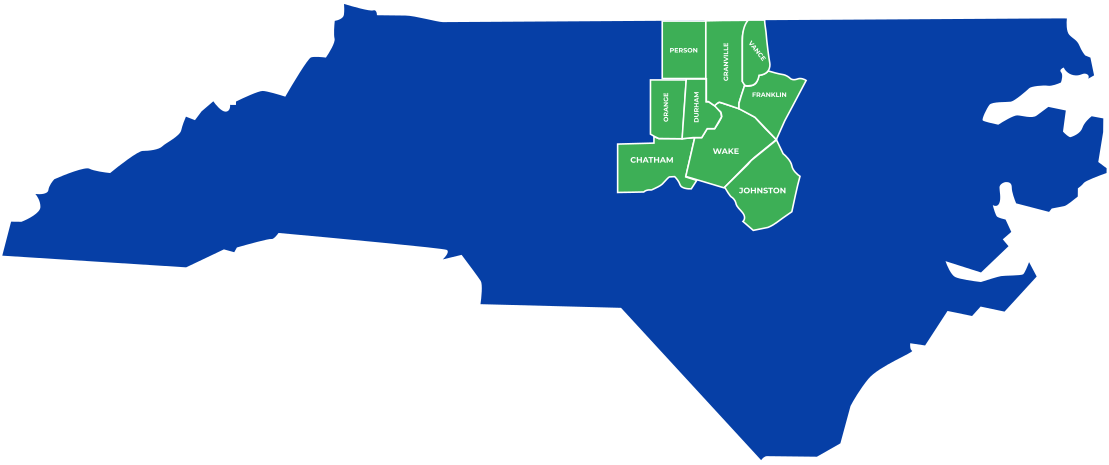

Capability to meet virtually to help all NC residents