North Carolina’s 120-hour rule says that to inherit from someone, or to receive property that depends on outliving them, you must survive that person by at least 120 hours: five full days. Survival must also be proven by clear and convincing evidence. A person who doesn’t meet that standard is treated as if they died first (N.C. Gen. Stat. § 28A-24-2).
The rule is North Carolina’s version of the Uniform Simultaneous Death Act. It applies far beyond wills:
- Wills and trusts
- Inheritance without a will, since heirs must also survive by 120 hours (§ 29-13(b))
- Life insurance, annuities, and retirement accounts
- Payable-on-death bank accounts
- Deeds and jointly owned property, including a married couple’s home
No family wants to think about losing two loved ones within days of each other. But car accidents, house fires, and shared illnesses happen. When they do, this rule, or the language in your own estate plan, decides where everything goes.
Why North Carolina Has a 120-Hour Rule
Before North Carolina revised its law in 2007, the old simultaneous death rule applied only when there was no sufficient evidence that one person outlived the other. In practice, surviving by even a few minutes could change who inherited an entire estate. That invited painful disputes over medical records and the exact minutes between two deaths.
The 120-hour rule solves two problems:
- It prevents “double probate.” Without it, property could pass into the estate of someone who survived only briefly, then pass again through that second estate, with two sets of court costs and delays.
- It honors what most people actually want. Few people want their property routed through a loved one who outlived them by a day, and then on to that person’s heirs instead of their own.
How the 120-Hour Rule Works: An Example
Consider a married couple in a blended family. Each spouse has a will leaving everything to the other, with their own children from a prior marriage as backup beneficiaries.
The couple is injured in a car accident. The husband dies at the scene. His wife dies in the hospital two days later.
- Without the 120-hour rule, she survived him, so his estate would pass to her. When she died two days later, it would pass under her will to her children. His children could receive nothing.
- With the 120-hour rule, she didn’t survive him by 120 hours, so she’s treated as having died first. His property passes to his backup beneficiaries, his own children. Her property passes to hers.
For blended families, those five days can make an enormous difference. It’s one reason we encourage clients with stepchildren to review how their will handles blended-family planning.
How the Rule Applies to Different Types of Property
| Type of Property | What Happens If Survival by 120 Hours Isn’t Proven |
| Gift in a will or trust | The beneficiary is treated as having died first, so the gift goes to the backup beneficiary or passes as the document or law directs |
| Inheritance without a will | The heir is treated as having died first and doesn’t inherit (§ 29-13(b)) |
| Life insurance, retirement account, or POD account | The named beneficiary is treated as having died first, and the contingent beneficiary is paid |
| Joint property with right of survivorship (including a married couple’s home) | If neither owner can be shown to have survived the other by 120 hours, each owner’s share passes as if that owner were the survivor (§ 28A-24-3) |
| Beneficiaries named to take in place of each other | The property is divided into equal shares, one for each beneficiary’s estate (§ 28A-24-2(b)) |
| A spouse’s right to claim an elective share | Because the right depends on surviving, a spouse who doesn’t survive by 120 hours generally can’t exercise it |
The joint property row surprises many couples. A married couple typically owns their home as tenants by the entirety, which normally passes the whole home to the survivor. If neither spouse can be shown to have outlived the other by 120 hours, the home is effectively split. Half passes through each spouse’s estate. That can mean two estate administrations for a home the couple assumed would pass seamlessly.
Exceptions to the 120-Hour Rule
The statute gives way in several situations (§ 28A-24-6). The most important for families are these:
- Your documents address it. If a will, trust, or beneficiary designation includes language dealing with simultaneous deaths or a common disaster, that language controls.
- Your documents set a different survival period. A will can require a beneficiary to survive by 30 days, for example. Or it can say no survival period applies, but survival must still be proven by clear and convincing evidence.
- It would cost a tax benefit. The rule doesn’t apply if it would eliminate an otherwise available tax deduction or credit, expressly including the marital deduction.
- It would send property to the State. If applying the rule would cause the estate to escheat, the rule steps aside.
The statute includes a few more technical exceptions, including rules for survival of an event other than a death and for slayer cases.
How Survival Is Proven
The time of death matters, and North Carolina has clear rules for establishing it (§ 28A-24-7):
- A certified death certificate is prima facie evidence of the date and time of death. If nothing disputes it, the certificate is conclusive.
- Government records showing someone is missing, detained, or dead also count as evidence.
- Without those records, death can be established by clear and convincing evidence, including circumstantial evidence.
Practical tip: when two family members die close together, request certified death certificates for both early. The recorded times of death may decide how each estate is distributed.
What Happens If an Insurance Company or Bank Already Paid?
Payors such as insurers, banks, and retirement plan administrators are protected if they pay a named beneficiary in good faith before they receive written notice that the beneficiary wasn’t entitled under the 120-hour rule (§ 28A-24-8).
That makes timing important:
- Send written notice promptly. Use registered or certified mail with return receipt requested to the payor’s main office, or have it formally served.
- Expect the funds to go to the clerk. Once notified, a payor may deposit the money with the clerk of superior court, who decides who is entitled.
- Wrong recipients may have to pay it back. Someone who received property they weren’t entitled to under the rule, without paying for it, generally must return it or its value.
If you think this rule applies to a loved one’s accounts, a probate attorney can help you send the right notice before money goes to the wrong place.
How to Plan for Simultaneous or Close-Together Deaths
The 120-hour rule is a safety net, not a plan. A thoughtful estate plan can do better.
- Add a survivorship clause. Many wills and trusts require beneficiaries to survive by 30, 60, or 90 days. Longer periods offer more protection, but they can delay distribution, so the right length depends on your family.
- Name contingent beneficiaries everywhere. Every life insurance policy, retirement account, and POD account should have a backup beneficiary.
- Coordinate spousal planning with tax planning. Couples with larger estates should make sure survivorship language works with the marital deduction.
- Plan for minor children. If both parents die, the survivorship rules decide which estate the children inherit from. A trust and a named guardian protect them either way. See what happens when a beneficiary is a minor and our guardianship services.
- Consider a revocable trust. A trust can hold the family home and major assets so they don’t have to pass through two probate estates.
- Review deeds and account titles. Joint ownership can produce split results that surprise families.
Learn more about the types of trusts families use for this kind of planning.
How Our Personalized Approach Helps
These situations are rare, but when they happen, they happen to families in shock. Our personalized approach makes sure your plan answers the hard “what if” questions ahead of time. That includes who inherits if you and your spouse die together, how long a beneficiary must survive, and how your children are protected. If your family is already facing close-together deaths, we’ll help you sort out which estate owns what and send the right notices before assets go astray.
We’ve worked with more than 4,000 North Carolina families through both estate planning and estate administration. Our founder, Paul Yokabitus, has been recognized as a Business North Carolina Legal Elite attorney, a Super Lawyers Rising Star, and one of the Triangle Business Journal’s 40 Under 40. Our team is also proud to support organizations like Triangle Disability & Autism Services and the Miracle League of the Triangle. Learn more about our community involvement.
It begins with a free Discovery Call, where we learn about your family and confirm we’re the right fit. Then you’ll meet with one of our attorneys for a free Initial Strategy Meeting to talk through your goals, the services you need, and pricing options tailored to your situation.
Frequently Asked Questions
What is the 120-hour rule in North Carolina?
It’s a survivorship requirement. A person must outlive another by at least 120 hours, proven by clear and convincing evidence, to take property that depends on surviving them. Otherwise, they’re treated as having died first.
Does the 120-hour rule apply if there’s no will?
Yes. North Carolina’s intestacy law uses the same 120-hour standard to decide whether an heir survived the decedent.
Can my will override the 120-hour rule?
Yes. A will, trust, or beneficiary designation can set its own survival period or address simultaneous deaths directly, and that language generally controls.
What happens to a married couple’s house if they die at the same time?
If neither spouse is shown to have survived the other by 120 hours, each spouse’s share of the home generally passes through that spouse’s own estate, as if that spouse were the survivor.
Plan Ahead for the Hardest “What If”
A few sentences in your estate plan can spare your family confusion and cost during an unimaginable time. Contact us to schedule your free Discovery Call.
We proudly serve all of North Carolina, with attorneys based in Cary and Raleigh.
Author Bio
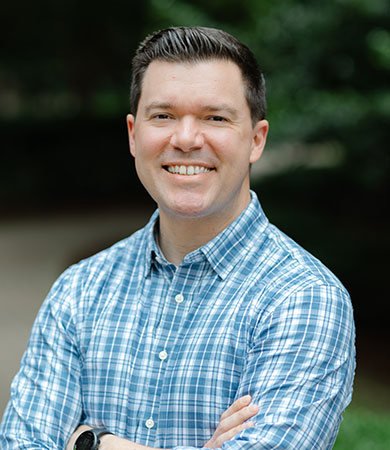
Paul Yokabitus
Founder & Estate Planning Lawyer
Paul Yokabitus is the founder of Cary Estate Planning, where he helps North Carolina families protect what matters most through wills, trusts, probate, and special needs planning. Known for his “planning, not paperwork” approach, Paul turns complex legal concepts into clear, practical strategies so clients feel informed and confident at every step. He has been recognized as a Business North Carolina Legal Elite attorney and a Super Lawyers Rising Star, and was named to the Triangle Business Journal’s 40 Under 40. A graduate of Campbell University School of Law, Paul lives in the Triangle with his wife, Alix, and their two sons.
Linkedin | Avvo | SuperLawyers







How We Help North Carolina Families


Paul and his team at Cary Estate Planning are fully committed to creating a personalized experience to develop thorough and comprehensive estate plans. They value their clients and go above and beyond to make sure that no details are missed. I would highly recommend Paul to anyone looking to create an estate plan.

I was referred to Paul by my Real Estate Attorney and I could not say enough about how exceptional the client service has been from everyone I spoke to. The communication is prompt and I feel like they really took the time to answer all my questions and set things up exactly as I wanted, but also recommended things to make it easier on my family down the line.
After attending one of Paul’s estate planning seminars, my husband and I knew we wanted Paul to assist us with our estate planning. His honest, professional approach to this necessary part of life put us at ease with the process. We will continue to recommend Paul and Cary Estate Planning.

We had a great experience working with Paul Yokabitus and the team at Cary Estate Planning to set up our Will and Estate Plan. The process was clear and easy, and in the age of COVID, our signing session was very well done, easy, and safe.

The Cary Estate Planning team will make sure that you have the information you need to be confident in your estate planning decisions. I learned so much from videos, a one-on-one in-person consultation, the website, emails, and a newsletter mailed the old fashioned way. The fee is very reasonable given the importance of estate planning. No matter the size or number of your assets, don’t procrastinate like I did!

Paul is a masterful attorney. He’s very good at taking your intentions and defining that into a durable Trust and Will. Best of all he is as simple and plain-spoken as you like. Or as fast as intellectual as you may be. It’s all about your your speed and your desired outcomes. Would strongly recommend this firm.
Trusted Estate Planning
Attorney Offices in Cary and Raleigh


Capability to meet virtually to help all NC residents