
North Carolina’s inheritance law doesn’t measure love, years under the same roof, or who showed up for every soccer game. It measures legal relationships.
In North Carolina, stepchildren have no automatic right to inherit from a stepparent. The state’s Intestate Succession Act decides who inherits when someone dies without a will. It lists spouses, children, grandchildren, parents, siblings, and more distant blood relatives. Stepchildren don’t appear anywhere on that list (N.C. Gen. Stat. Chapter 29).
A stepchild can inherit from a stepparent in four ways:
- Adoption, which makes the stepchild a legal child for inheritance purposes
- A will that names the stepchild
- A trust that includes the stepchild as a beneficiary
- A beneficiary designation on life insurance, a retirement account, or a payable-on-death account
Without one of those, a stepchild the stepparent raised from infancy can receive nothing, while a cousin they barely knew may inherit. The good news is that every one of these gaps can be closed with planning. Here’s how the law works and what blended families can do about it.
What North Carolina Law Says About Stepchildren
When someone dies without a will, North Carolina follows a fixed order. The surviving spouse takes a share, and the rest goes to the decedent’s blood relatives in this order:
- Children and their descendants, including legally adopted children
- Parents
- Brothers and sisters and their descendants
- Grandparents, aunts, uncles, and their descendants
If no relatives can be found, the estate doesn’t pass to stepchildren. It escheats to the State (§ 29-12). The law even extends the search to distant relatives specifically to avoid that outcome. So a second cousin once removed outranks a stepchild the decedent raised.
One distinction trips up many families. North Carolina draws no line between whole-blood and half-blood relatives (§ 29-3). Half-siblings can inherit from each other just like full siblings. Step-siblings cannot.
| Relationship to the Decedent | Inherits Without a Will? |
| Stepchild, even if raised since infancy | No |
| Stepchild the decedent legally adopted | Yes, as a child |
| Half-sibling | Yes, the same as a full sibling |
| Step-sibling | No |
| Stepchild named in the will | Yes, as the will directs |
The “Order of Death” Trap in Blended Families
In our experience, this is where most blended-family plans quietly fail. Families rarely mean to disinherit anyone. The problem usually comes down to who dies first.
Here’s how it typically unfolds. A woman has a son from her first marriage. She remarries, and her new husband has two daughters of his own. They title the house jointly, name each other on their accounts, and sign simple wills leaving everything to each other.
- She dies first. Everything passes to her husband, exactly as planned.
- Years later, he dies. His will leaves everything to “my children,” or he never updated it at all. His daughters inherit it all.
- Her son receives nothing. That includes the home his mother helped buy.
Nobody intended that result. It happened because the plan assumed everyone would still be treated fairly after both spouses were gone, and North Carolina law doesn’t make that assumption.
If the parent dies without a will, the picture is different but still incomplete. Her son is her legal child, so he inherits a share of her estate alongside her husband’s spousal share (§ 29-14). But whatever passes to the husband later flows only to his own heirs.
4 Ways Stepchildren Can Inherit in North Carolina
1. Adoption
A legally adopted child inherits from an adoptive parent exactly like a biological child (§ 29-17). When a stepparent adopts, the child stays the legal child of the biological parent married to the stepparent. Our guide to adoption and inheritance rights covers the details.
Know the trade-off. Adoption generally ends the child’s right to inherit from the other biological parent and that parent’s family. It’s a significant decision that goes far beyond estate planning.
2. Naming Stepchildren in Your Will
A will can leave property to anyone, including stepchildren. The wording matters more than most people expect:
- Name each stepchild by name. Don’t rely on phrases like “my children.”
- Define your terms. If you want “my children” to include stepchildren, say so expressly.
- Plan for the next generation. Decide whether a stepchild’s share passes to their own children if the stepchild dies before you.
For step-by-step guidance, see how to write a will when you have stepchildren.
3. Using a Trust
A trust gives blended families something a simple will can’t: control that outlasts both spouses. For example, a trust can support the surviving spouse for life and then pass what remains to all of the children in the shares you choose. A trust like that avoids the order-of-death trap entirely. Learn more about the types of trusts families use.
4. Beneficiary Designations
Life insurance, retirement accounts, and payable-on-death accounts pass to whoever is named on the beneficiary form. A will doesn’t control them. Naming a stepchild on these forms is one of the simplest ways to provide for them. Coordinate those forms with the rest of your plan so the pieces don’t work against each other.
Rights a Stepchild May Have Even Without a Will
The law isn’t completely silent about stepchildren. Three protections are worth knowing.
The child’s year’s allowance. For deaths on or after March 1, 2024, a child under 21 may be entitled to a $10,000 support allowance from the estate of an adult who stood in loco parentis (in the role of a parent) to them. That can include a stepparent who was actively raising the child (§ 30-17). The allowance applies whether or not the stepparent left a will, but someone has to file a claim for it.
Equitable adoption, in rare cases. In Lankford v. Wright, 347 N.C. 115 (1997), the North Carolina Supreme Court recognized “equitable adoption.” It lets a child inherit from someone who agreed to adopt them but never finished the legal process. The doctrine is narrow. It requires, among other things, an agreement to adopt and a biological parent who gave up custody in reliance on that agreement. Most stepfamilies don’t fit that pattern, because the biological parent is usually still in the home.
Inheritance from their own biological parents. A stepchild’s right to inherit from their own parents is unaffected by a stepparent relationship, unless they’re later adopted by someone else.
Can a Stepchild Contest a Stepparent’s Will?
Usually, only someone with a real financial stake can challenge a will. That generally means an heir who would inherit without the will, or a beneficiary under an earlier version of it. A stepchild who isn’t an heir and was never named in any version of the will typically has no stake to protect.
A stepchild who was named in a prior will and then removed may be in a different position, especially if the change came late in life. Those situations turn on specific facts and deserve a prompt conversation with a probate attorney.
Special Situations Worth Planning For
- Minor stepchildren: A child can’t manage an inheritance directly. Leaving assets in a trust avoids a court-supervised guardianship. See what happens when a beneficiary is a minor.
- A stepchild with a disability: A direct inheritance can jeopardize SSI or Medicaid eligibility. A special needs trust can protect those benefits.
- Family property with history: A lake house or family farm often carries expectations on both sides of a blended family. Clear written instructions prevent years of conflict.
A Planning Checklist for Blended Families
- List every child and stepchild you want to provide for, by name.
- Review how each asset is titled. Joint ownership can override your will.
- Update every beneficiary designation so it matches your plan.
- Decide what happens after both spouses die, not just after the first death.
- Consider a trust if you want to protect children on both sides.
- Talk as a family about your plan, if it’s appropriate. Surprises create disputes.
- Revisit your plan after any marriage, divorce, adoption, birth, or death.
How Our Personalized Approach Helps Blended Families
Blended families don’t fit neatly into standard forms, and neither should their estate plans. Our personalized approach starts with a conversation about your family as it really is: who you raised, who you love, and what “fair” means to you. We design a plan that reflects those answers. We regularly help families navigate these dynamics with empathy and a “come as you are” mindset.
We’ve worked with more than 4,000 North Carolina families. Our founder, Paul Yokabitus, has been recognized as a Business North Carolina Legal Elite attorney, a Super Lawyers Rising Star, and one of the Triangle Business Journal’s 40 Under 40. Beyond our practice, we’re proud to support organizations like Triangle Disability & Autism Services and the Miracle League of the Triangle. Learn more about our community involvement.
Getting started is easy. A free Discovery Call lets us learn about your situation and make sure we’re a good fit. Then you’ll sit down with one of our attorneys for a free Initial Strategy Meeting. We’ll discuss your goals, the services that fit your family, and pricing options tailored to your needs. See how we approach estate planning.
Frequently Asked Questions
Do stepchildren inherit if there is no will in North Carolina?
No. North Carolina’s intestacy law doesn’t include stepchildren. Without a will, trust, beneficiary designation, or adoption, a stepchild does not inherit from a stepparent.
Does “my children” in a will include stepchildren?
Not necessarily. To include stepchildren, name them individually or define “children” to include them expressly.
If I adopt my stepchild, will they lose their inheritance from their other parent?
Generally, yes. Adoption usually ends inheritance rights from the other biological parent and that side of the family. Discuss the trade-offs with an attorney before moving forward.
Can I leave my stepchildren more than my biological children?
Yes. Aside from a surviving spouse’s protected rights, North Carolina lets you leave your property to whomever you choose, in whatever shares you choose.
Protect Every Child You Consider Family
Your stepchildren’s inheritance shouldn’t depend on who dies first or on a default statute written for a different kind of family. Contact us to schedule your free Discovery Call.
We proudly serve all of North Carolina, with attorneys based in Cary and Raleigh.
Author Bio

Paul Yokabitus
Founder & Estate Planning Lawyer
Paul Yokabitus is the founder of Cary Estate Planning, where he helps North Carolina families protect what matters most through wills, trusts, probate, and special needs planning. Known for his “planning, not paperwork” approach, Paul turns complex legal concepts into clear, practical strategies so clients feel informed and confident at every step. He has been recognized as a Business North Carolina Legal Elite attorney and a Super Lawyers Rising Star, and was named to the Triangle Business Journal’s 40 Under 40. A graduate of Campbell University School of Law, Paul lives in the Triangle with his wife, Alix, and their two sons.
Linkedin | Avvo | SuperLawyers







How We Help North Carolina Families




Paul and his team at Cary Estate Planning are fully committed to creating a personalized experience to develop thorough and comprehensive estate plans. They value their clients and go above and beyond to make sure that no details are missed. I would highly recommend Paul to anyone looking to create an estate plan.

I was referred to Paul by my Real Estate Attorney and I could not say enough about how exceptional the client service has been from everyone I spoke to. The communication is prompt and I feel like they really took the time to answer all my questions and set things up exactly as I wanted, but also recommended things to make it easier on my family down the line.
After attending one of Paul’s estate planning seminars, my husband and I knew we wanted Paul to assist us with our estate planning. His honest, professional approach to this necessary part of life put us at ease with the process. We will continue to recommend Paul and Cary Estate Planning.

We had a great experience working with Paul Yokabitus and the team at Cary Estate Planning to set up our Will and Estate Plan. The process was clear and easy, and in the age of COVID, our signing session was very well done, easy, and safe.

The Cary Estate Planning team will make sure that you have the information you need to be confident in your estate planning decisions. I learned so much from videos, a one-on-one in-person consultation, the website, emails, and a newsletter mailed the old fashioned way. The fee is very reasonable given the importance of estate planning. No matter the size or number of your assets, don’t procrastinate like I did!

Paul is a masterful attorney. He’s very good at taking your intentions and defining that into a durable Trust and Will. Best of all he is as simple and plain-spoken as you like. Or as fast as intellectual as you may be. It’s all about your your speed and your desired outcomes. Would strongly recommend this firm.
Trusted Estate Planning
Attorney Offices in Cary and Raleigh
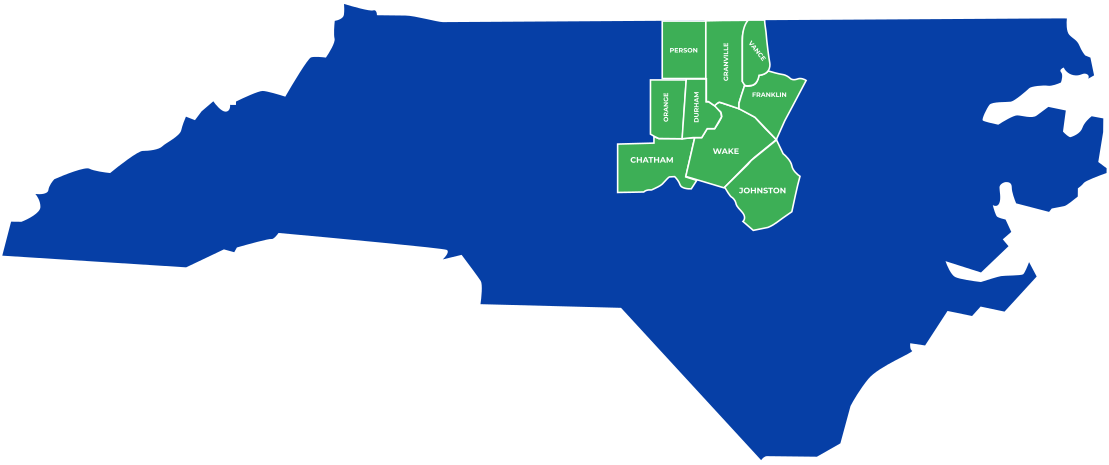

Capability to meet virtually to help all NC residents