Probate doesn’t pause the rest of life. The house still needs insurance, the mortgage payment still comes due, and the car still sits in the driveway. Someone has to decide what happens to all of it.
In North Carolina, the executor is responsible for protecting estate property while probate is pending, but the rules differ for personal property and real estate.
- Personal property (bank accounts, vehicles, furniture, jewelry, investments) passes to the executor’s control once the executor qualifies. The executor can generally manage and even sell it without a court order (N.C. Gen. Stat. §§ 28A-15-2, 28A-16-1).
- Real estate belongs to the heirs, or to the beneficiaries named in the will, as of the moment of death (§ 28A-15-2(b)). The executor can take control of it only in certain circumstances, usually with the clerk’s approval.
Throughout the process, the executor must act in good faith and with the care a reasonably prudent person would use with their own property. An executor who doesn’t can be held liable for the resulting loss (§ 28A-13-10).
Here’s what that means for the house, the mortgage, the belongings, and everything in between.
The First 30 Days: Secure Before You Sort
Before anyone divides belongings or lists the house, protect what’s there.
- Lock the home and control the keys. Change the locks if too many people have access.
- Confirm insurance on the home and vehicles, and tell the insurers about the death. Many homeowner’s policies treat an empty house differently, so ask about vacancy rules.
- Secure valuables and important papers: jewelry, firearms, cash, titles, and financial records.
- Forward the mail so statements and bills reach the person handling the estate.
- Keep utilities on where needed to prevent frozen pipes, mold, or other damage.
- Photograph or video every room to document what was there.
- Don’t let anyone remove items, even with good intentions, until the executor is appointed and a plan is in place.
Until the clerk issues letters testamentary, no one has formal authority to act for the estate. Those early days are about preservation, not distribution.
Personal Property: What the Executor Can Do
Once qualified, the executor has broad authority over the decedent’s personal property. The executor can:
- Take possession of personal property, including vehicles and household goods
- Open an estate bank account and deposit estate funds
- Sell or lease personal property, publicly or privately, without a court order, as long as the transaction is recorded in the next accounting (§ 28A-16-1)
- Leave items with the heir or beneficiary presumptively entitled to them, if the executor’s own possession isn’t needed to settle the estate (§ 28A-15-2(a))
That last option is practical. A beneficiary who inherits a specific car or piece of furniture can often hold it during probate. The executor still has to account for it, and the item may still be needed to pay debts if the estate comes up short.
A Note on Safe-Deposit Boxes
A decedent’s safe-deposit box is sealed when the bank learns of the death. It can generally be opened only in the presence of the clerk or by a qualified person, such as an executor with letters. That person must inventory the contents. Any will found inside must be filed with the clerk (§ 28A-15-13).
Real Estate: Who’s in Charge of the House?
This is where many families get confused.
North Carolina vests title to real estate in the heirs, or in the beneficiaries under a probated will, at the moment of death. The executor doesn’t automatically control the house. Until the executor steps in, the people who inherited it generally own it, and that includes any rent it produces.
The executor can take possession, custody, or control of real estate only in certain situations (§ 28A-13-3):
- The will devises the property to the executor, or the executor acquired title during the administration. In that case, the executor is immediately entitled to possession.
- The executor petitions the clerk and the clerk finds that possession is in the best interest of the estate. The heirs and beneficiaries must be made parties to that proceeding.
Once the executor has control, that authority includes the power to remove occupants when necessary. Tenants can be evicted only through North Carolina’s standard landlord-tenant procedures.
This is one reason our attorneys often recommend leaving the house to your executor in your will. It gives the executor clear, immediate authority to manage and sell the home. Learn more in why you should leave the house to your executor.
Who Pays the Mortgage During Probate?
The mortgage doesn’t disappear when the owner dies, and the lender still expects payment. How it gets paid depends on the situation:
- The executor may pay it from estate funds when that’s in the estate’s best interest, whether or not the lender has filed a claim (§ 28A-15-4). Keeping payments current protects the property from foreclosure.
- The beneficiary who inherits the house generally takes it subject to the mortgage. A general instruction in the will to “pay my debts” doesn’t require the estate to pay off the loan. The will must expressly say so (§ 28A-15-3).
- Paying the mortgage doesn’t automatically increase that beneficiary’s share, unless the will entitles them to have the debt paid (§ 28A-15-4).
- Heirs can often keep the loan in place. Federal law generally limits a lender’s ability to call a residential mortgage due solely because it passed to a relative at death. Talk with the lender and an attorney before assuming the loan must be paid off.
Property taxes, homeowner’s insurance, HOA dues, and utilities work similarly. The executor often pays them from estate funds to preserve the property, and documents every payment for the accounting. For more detail, see paying real estate expenses after death.
Can Someone Live in the House During Probate?
Often, yes, but it should be a deliberate decision, not an assumption.
- A family member already living in the home may continue there by agreement, especially when they’re a beneficiary.
- Put the arrangement in writing. Cover who pays the utilities, taxes, and insurance, whether rent is owed, and when the person will leave if the house is sold.
- Treat everyone fairly. When one beneficiary lives rent-free in a house owned by several, the others may reasonably expect an adjustment when the estate is divided.
- Check with the insurer. Coverage can change when the house is occupied by someone other than the policyholder, or left vacant.
Selling Estate Property Before Probate Closes
- Personal property can generally be sold by the executor without court approval.
- Real estate can be sold without a separate court proceeding when the will authorizes the executor to sell. Otherwise, the executor generally petitions the clerk, and the sale follows court procedures that include an upset bid period (§ 28A-15-1(c)).
- Heirs selling on their own face special rules during the first two years after death. Sales before notice to creditors is published are void as to creditors and the executor, and later sales generally need the executor to join in the deed (§ 28A-17-12).
For a deeper look, see whether an executor can sell property without beneficiary approval.
Dividing Personal Belongings Without a Family Feud
Sentimental items often cause more conflict than money. A few habits help:
- Wait until debts are known before giving away anything of value.
- Follow the will first. Specific gifts go to the people named.
- Use a fair selection process for everything else, such as taking turns in a set order.
- Get professional appraisals for jewelry, art, firearms, and collectibles.
- Record every distribution and have each beneficiary sign a receipt.
Learn more in how estate assets are distributed to beneficiaries.
Common Mistakes to Avoid
- Mixing estate funds with personal accounts. Always use a separate estate account.
- Letting insurance lapse on a home or vehicle.
- Distributing property too early, before creditor claims are resolved.
- Selling real estate without the proper authority, which can cloud the title.
- Skipping the inventory, which is due within three months after the executor qualifies. See our inventory guide.
- Failing to keep receipts. Every payment must be supported in the estate’s accountings.
How Our Personalized Approach Helps
Managing a loved one’s home and belongings while you’re grieving is exhausting. It’s also easy to make a costly mistake. Our personalized approach starts with what’s in front of you: the house, the mortgage, the family dynamics, and the timeline. We help executors secure property, make sound decisions about selling or keeping it, and document everything the clerk will expect to see.
It starts with a free Discovery Call, where we learn about your situation and make sure we’re the right fit. Next, you’ll meet with one of our attorneys for a free Initial Strategy Meeting to talk through your options, the services you need, and pricing options tailored to your estate.
Frequently Asked Questions
Who is responsible for the house during probate in North Carolina?
Title to real estate vests in the heirs or beneficiaries at death. The executor can take control of the property when the will gives it to the executor, or when the clerk authorizes it. Either way, the executor has a duty to protect estate assets.
Who pays the mortgage while probate is pending?
The executor may pay it from estate funds to protect the property. The beneficiary who inherits the house generally takes it subject to the mortgage, unless the will expressly says the loan should be paid off.
Can the executor sell the deceased person’s belongings?
Yes. An executor can generally sell personal property without a court order, as long as the sale is reported in the estate’s next accounting.
Can heirs take items from the house before probate?
They shouldn’t. Removing items before the executor is appointed and the debts are known can create disputes and legal problems. The executor may later need to recover the property.
Protect the Estate While Probate Moves Forward
The decisions you make in the first few months can protect or erode what your loved one left behind. Contact us to schedule your free Discovery Call.
We proudly serve all of North Carolina, with attorneys based in Cary and Raleigh.
Author Bio
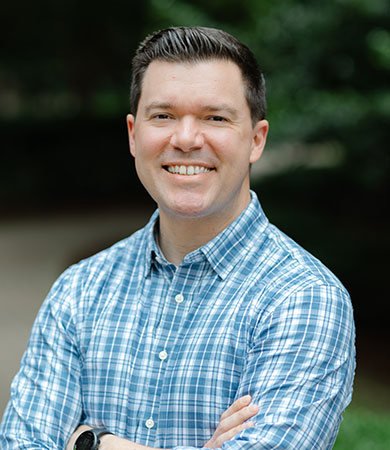
Paul Yokabitus
Founder & Estate Planning Lawyer
Paul Yokabitus is the founder of Cary Estate Planning, where he helps North Carolina families protect what matters most through wills, trusts, probate, and special needs planning. Known for his “planning, not paperwork” approach, Paul turns complex legal concepts into clear, practical strategies so clients feel informed and confident at every step. He has been recognized as a Business North Carolina Legal Elite attorney and a Super Lawyers Rising Star, and was named to the Triangle Business Journal’s 40 Under 40. A graduate of Campbell University School of Law, Paul lives in the Triangle with his wife, Alix, and their two sons.
Linkedin | Avvo | SuperLawyers







How We Help North Carolina Families




Paul and his team at Cary Estate Planning are fully committed to creating a personalized experience to develop thorough and comprehensive estate plans. They value their clients and go above and beyond to make sure that no details are missed. I would highly recommend Paul to anyone looking to create an estate plan.

I was referred to Paul by my Real Estate Attorney and I could not say enough about how exceptional the client service has been from everyone I spoke to. The communication is prompt and I feel like they really took the time to answer all my questions and set things up exactly as I wanted, but also recommended things to make it easier on my family down the line.
After attending one of Paul’s estate planning seminars, my husband and I knew we wanted Paul to assist us with our estate planning. His honest, professional approach to this necessary part of life put us at ease with the process. We will continue to recommend Paul and Cary Estate Planning.

We had a great experience working with Paul Yokabitus and the team at Cary Estate Planning to set up our Will and Estate Plan. The process was clear and easy, and in the age of COVID, our signing session was very well done, easy, and safe.

The Cary Estate Planning team will make sure that you have the information you need to be confident in your estate planning decisions. I learned so much from videos, a one-on-one in-person consultation, the website, emails, and a newsletter mailed the old fashioned way. The fee is very reasonable given the importance of estate planning. No matter the size or number of your assets, don’t procrastinate like I did!

Paul is a masterful attorney. He’s very good at taking your intentions and defining that into a durable Trust and Will. Best of all he is as simple and plain-spoken as you like. Or as fast as intellectual as you may be. It’s all about your your speed and your desired outcomes. Would strongly recommend this firm.
Trusted Estate Planning
Attorney Offices in Cary and Raleigh
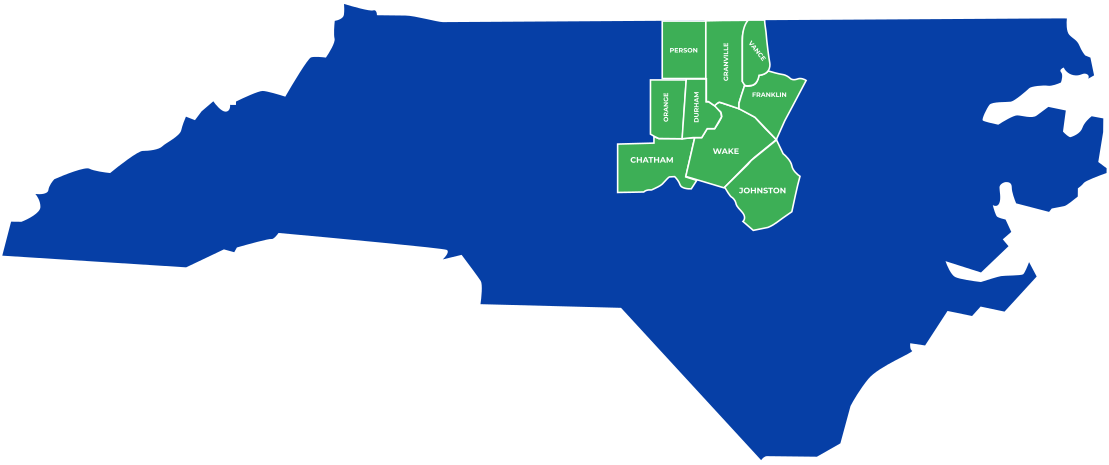

Capability to meet virtually to help all NC residents