
When North Carolina families begin planning for long-term care or nursing home expenses, they often run into the Medicaid 5-year look-back rule. Many parents and caregivers assume that only traditional cash gifts trigger Medicaid penalties. However, the reality is much broader.
Gifting money to your adult children, paying a grandchild’s college tuition, or selling a family vehicle at a discount can inadvertently trigger an uncompensated transfer penalty—costing you months or even years of Medicaid eligibility for nursing home care.
Here is what you need to know about how North Carolina’s Medicaid look-back period works, key exceptions to the penalty rules, and proven strategies to safeguard your family’s assets.
What Is the Medicaid 5-Year Look-Back Period in North Carolina?
When you apply for North Carolina Medicaid for skilled nursing home care, the state reviews all financial transactions made within the 60 months (5 years) prior to your application date.
Medicaid looks specifically for uncompensated transfers—defined as any transfer of cash, real estate, or personal property made for less than Fair Market Value (FMV) or with no financial consideration given in return.
Common actions that trigger a Medicaid penalty include:
- Direct Cash Gifts: Giving money to children or relatives.
- Educational Payments: Paying tuition or expenses directly for a grandchild.
- Discounted Sales: Selling a vehicle, home, or property to a family member below its actual fair market value. (The difference between the market value and the sale price is treated as a gift.)
If a penalized transfer occurred within the 5-year window, Medicaid calculates a penalty period—a specific duration of time during which you are barred from receiving Medicaid benefits, leaving you to pay out of pocket for nursing home care.
Key Exceptions to the Medicaid Transfer Penalty
North Carolina Medicaid rules include specific exceptions that allow certain transfers without incurring penalty periods, provided they strictly follow state guidelines:
1. The Caregiver Child Exemption
Under this rule, a parent may transfer their primary residence to an adult child without penalty if that child:
- Lived in the primary home with the parent for at least two consecutive years immediately prior to nursing home admission.
- Provided substantial care that enabled the parent to remain living safely at home rather than entering a nursing facility sooner.
Note: This exemption is heavily scrutinized by Medicaid caseworkers and requires detailed medical records and physician documentation.
2. The Disabled Child Transfer Exemption
If you have a child who has been deemed disabled under Social Security or Medicaid guidelines, you can transfer assets of any type—including liquid funds, cash, or real estate—for their sole benefit without a penalty. To qualify, the assets must be transferred into a properly structured Special Needs Trust.
Crisis Planning: The “Half-Loaf” Gifting Strategy
If you need nursing home care immediately but have already made gifts—or have significant assets that would prevent eligibility—crisis planning strategies exist to mitigate losses.
One common method is the Half-Loaf Gifting Strategy combined with a Medicaid Compliant Annuity:
- A portion of the individual’s assets (roughly half) is gifted to loved ones, intentionally triggering a temporary Medicaid penalty period.
- The remaining assets are converted into an irrevocable Medicaid Compliant Annuity.
- The annuity pays out a monthly income stream directly to the nursing home to cover care costs during the exact duration of the penalty period.
- Once the penalty period ends, Medicaid steps in to cover ongoing care costs, successfully preserving the gifted assets.
Because this strategy involves complex financial calculations, it should only be executed alongside an experienced North Carolina elder law attorney.
Schedule Your Medicaid Strategy Session Today
Navigating North Carolina’s Medicaid regulations without proper legal guidance can leave your family facing tens of thousands of dollars in nursing home expenses. Whether you are planning ahead for the future or currently facing a nursing home transition, our team is here to protect your legacy.
Contact our office at 919-659-8433 or directly scheduling a free discovery call at your convenience: calendly.com/caryep/discovery-call-get-started-cep-blog
Author Bio

Paul Yokabitus
Founder & Estate Planning Lawyer
Paul Yokabitus is the founder of Cary Estate Planning, where he helps North Carolina families protect what matters most through wills, trusts, probate, and special needs planning. Known for his “planning, not paperwork” approach, Paul turns complex legal concepts into clear, practical strategies so clients feel informed and confident at every step. He has been recognized as a Business North Carolina Legal Elite attorney and a Super Lawyers Rising Star, and was named to the Triangle Business Journal’s 40 Under 40. A graduate of Campbell University School of Law, Paul lives in the Triangle with his wife, Alix, and their two sons.
Linkedin | Avvo | SuperLawyers







How We Help North Carolina Families


Paul and his team at Cary Estate Planning are fully committed to creating a personalized experience to develop thorough and comprehensive estate plans. They value their clients and go above and beyond to make sure that no details are missed. I would highly recommend Paul to anyone looking to create an estate plan.

I was referred to Paul by my Real Estate Attorney and I could not say enough about how exceptional the client service has been from everyone I spoke to. The communication is prompt and I feel like they really took the time to answer all my questions and set things up exactly as I wanted, but also recommended things to make it easier on my family down the line.
After attending one of Paul’s estate planning seminars, my husband and I knew we wanted Paul to assist us with our estate planning. His honest, professional approach to this necessary part of life put us at ease with the process. We will continue to recommend Paul and Cary Estate Planning.

We had a great experience working with Paul Yokabitus and the team at Cary Estate Planning to set up our Will and Estate Plan. The process was clear and easy, and in the age of COVID, our signing session was very well done, easy, and safe.

The Cary Estate Planning team will make sure that you have the information you need to be confident in your estate planning decisions. I learned so much from videos, a one-on-one in-person consultation, the website, emails, and a newsletter mailed the old fashioned way. The fee is very reasonable given the importance of estate planning. No matter the size or number of your assets, don’t procrastinate like I did!

Paul is a masterful attorney. He’s very good at taking your intentions and defining that into a durable Trust and Will. Best of all he is as simple and plain-spoken as you like. Or as fast as intellectual as you may be. It’s all about your your speed and your desired outcomes. Would strongly recommend this firm.
Trusted Estate Planning
Attorney Offices in Cary and Raleigh
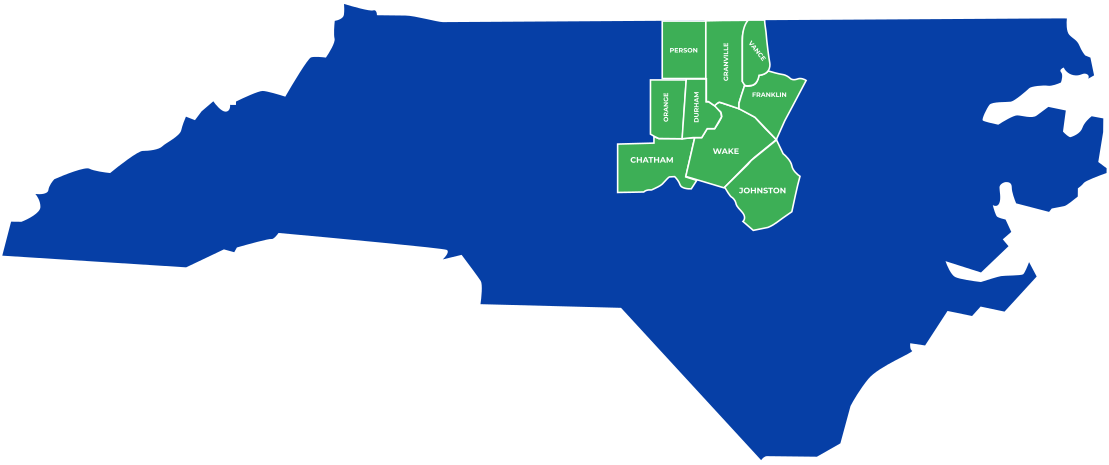

Capability to meet virtually to help all NC residents