
When parents in North Carolina begin special needs estate planning, their default instinct is almost always to name a neurotypical sibling as the trustee for their child with a disability. While this choice stems from love and trust, it is statistically one of the most predictable failure points in a special needs estate plan.
Understanding the hidden risks of appointing a sibling trustee—and implementing the right safety valves—can preserve family harmony while ensuring your child receives lifelong support.
The Hidden Risks of Naming a Sibling Trustee
Appointing a sibling as the trustee over a brother or sister’s Special Needs Trust (SNT) introduces several complex challenges:
- Built-in Conflicts of Interest: The sibling trustee is frequently named as the remainder beneficiary of the trust. This creates an inherent financial conflict between providing generous financial support for their sibling today and preserving the remaining inheritance for themselves later.
- Resentment and Intra-Familial Tension: Being thrust into a managerial role over a brother or sister’s finances can distort family dynamics, causing deep resentment between siblings or toward parents who assigned the role without consultation.
- Caregiver and Life Burnout: Managing an SNT requires strict adherence to government benefit regulations. Balancing trustee duties alongside a personal career, raising a family, or acting as a primary caregiver can easily lead to burnout.
- Lack of Longevity: Life events—such as personal illness, divorce, relocation, or death—can suddenly disrupt a sibling’s ability to serve, leaving the trust without active oversight.
The Professional Alternative: Corporate Trustees
For families seeking objective, long-term administration, a corporate trustee provides consistent and highly competent oversight. Corporate trustees are specialized institutions, banks, or trust companies that manage special needs trusts professionally.
Key advantages include:
- Fiduciary Expertise: Corporate trustees possess deep expertise in navigating complex Medicaid and Supplemental Security Income (SSI) rules.
- Zero Familial Bias: They operate with complete objectivity, free from emotional bias, family conflict, or financial self-interest.
- Uninterrupted Continuity: Institutions do not experience personal disruptions or aging out, offering lifelong governance.
In North Carolina, institutions such as Members Trust Company, Pinnacle Financial Partners, and State Employees’ Credit Union (SECU) offer in-house trust services designed for special needs trust administration. While corporate trustees charge an administrative fee—typically starting around 1% of assets under management—the protection and peace of mind they offer are often well worth the cost.
Essential Safety Valves: Trust Protectors and Successor Planning
If you still prefer to name a sibling as primary trustee, it is vital to build structural “safety valves” into the trust agreement:
1. Appoint an Independent Trust Protector
A Trust Protector is an independent professional—such as an estate planning lawyer or law firm—empowered to make administrative modifications without court intervention. A Trust Protector can step in to remove and replace a struggling trustee, update stale trust terms to align with changing laws, or serve as a mediator if issues arise.
2. Establish Multi-Level Succession Planning
Never name a single individual without clear backups. Build in successor trustees—including institutional backups—so that if a sibling needs to step down due to life changes, the trust seamlessly transitions to a qualified professional without administrative gaps.
Protect Your Family’s Future Today
Leaving a special needs trust vulnerable to caregiver burnout or family strife can compromise your child’s long-term care and public benefits.
If you need to review your current trustee designations, add a Trust Protector, or explore corporate trustee options in North Carolina, call our office at 919-659-8433 or directly schedule a free discovery call at your convenience: calendly.com/caryep/discovery-call-get-started-cep-blog
Author Bio
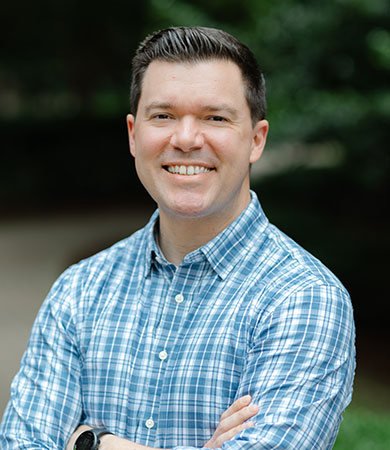
Paul Yokabitus
Founder & Estate Planning Lawyer
Paul Yokabitus is the founder of Cary Estate Planning, where he helps North Carolina families protect what matters most through wills, trusts, probate, and special needs planning. Known for his “planning, not paperwork” approach, Paul turns complex legal concepts into clear, practical strategies so clients feel informed and confident at every step. He has been recognized as a Business North Carolina Legal Elite attorney and a Super Lawyers Rising Star, and was named to the Triangle Business Journal’s 40 Under 40. A graduate of Campbell University School of Law, Paul lives in the Triangle with his wife, Alix, and their two sons.
Linkedin | Avvo | SuperLawyers







How We Help North Carolina Families





Paul and his team at Cary Estate Planning are fully committed to creating a personalized experience to develop thorough and comprehensive estate plans. They value their clients and go above and beyond to make sure that no details are missed. I would highly recommend Paul to anyone looking to create an estate plan.
I was referred to Paul by my Real Estate Attorney and I could not say enough about how exceptional the client service has been from everyone I spoke to. The communication is prompt and I feel like they really took the time to answer all my questions and set things up exactly as I wanted, but also recommended things to make it easier on my family down the line.
After attending one of Paul’s estate planning seminars, my husband and I knew we wanted Paul to assist us with our estate planning. His honest, professional approach to this necessary part of life put us at ease with the process. We will continue to recommend Paul and Cary Estate Planning.

We had a great experience working with Paul Yokabitus and the team at Cary Estate Planning to set up our Will and Estate Plan. The process was clear and easy, and in the age of COVID, our signing session was very well done, easy, and safe.
The Cary Estate Planning team will make sure that you have the information you need to be confident in your estate planning decisions. I learned so much from videos, a one-on-one in-person consultation, the website, emails, and a newsletter mailed the old fashioned way. The fee is very reasonable given the importance of estate planning. No matter the size or number of your assets, don’t procrastinate like I did!

Paul is a masterful attorney. He’s very good at taking your intentions and defining that into a durable Trust and Will. Best of all he is as simple and plain-spoken as you like. Or as fast as intellectual as you may be. It’s all about your your speed and your desired outcomes. Would strongly recommend this firm.
Trusted Estate Planning
Attorney Offices in Cary and Raleigh
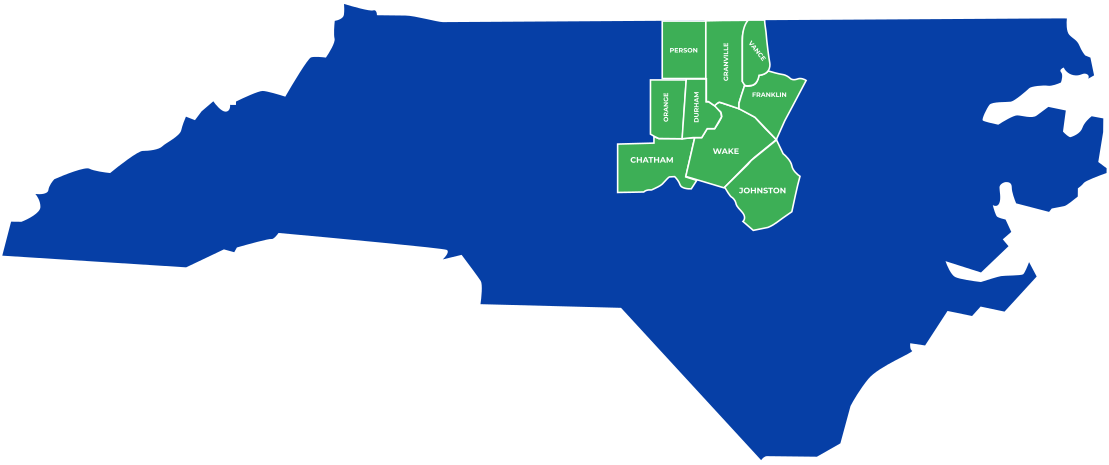

Capability to meet virtually to help all NC residents