
Yes. North Carolina allows a closed estate to be reopened. Under N.C. Gen. Stat. § 28A-23-5, the clerk of superior court may reopen an estate after it has been settled and the executor discharged for any of three reasons:
- Other property of the estate is discovered
- A necessary act was never completed
- There is any other proper cause
Any person interested in the estate can ask. The clerk may reappoint the original executor or appoint someone new. The reopened estate generally follows the same rules as the original administration, with one important exception: a claim that was already barred stays barred.
The statute itself sets no deadline for reopening. So a forgotten account found five years later can still reach the right people. The rest of this guide covers when reopening makes sense, how it works, and how to avoid needing it at all.
The Three Legal Grounds for Reopening an Estate
1. Newly Discovered Property
This is by far the most common reason. Families find assets after closing more often than you might think:
- Unclaimed funds held by the North Carolina State Treasurer. North Carolina sets no time limit for heirs or an executor to claim this money.
- A forgotten bank, brokerage, or retirement account with no beneficiary named
- Tax refunds, insurance refunds, or security deposits that arrive after closing
- Class action settlements or litigation proceeds payable to the decedent
- An interest in real estate nobody knew about, such as a share of inherited family land
- Life insurance payable to the estate that wasn’t claimed before closing
2. A Necessary Act Left Unfinished
Sometimes nothing new turns up, but something was never completed. A vehicle may still be titled in the decedent’s name. A deed may need to be signed. A required tax filing may have been missed. Once discharged, the executor no longer has authority to act. Reopening restores that authority, or gives it to someone new.
3. Other Proper Cause
This catch-all covers situations the first two don’t, such as a lawsuit the estate needs to pursue or an error in the original settlement. The clerk decides whether the reason is sufficient.
What Reopening an Estate Can’t Do
Reopening is a tool for finishing the job, not a do-over. It has real limits:
- Barred creditor claims stay barred. A creditor who missed the original deadline can’t use a reopened estate to get paid (§ 28A-23-5).
- It doesn’t rewrite the will. Newly discovered assets pass under the same will or intestacy rules that governed the original estate.
- It isn’t an appeal. A beneficiary unhappy with how the estate was handled generally needs a different legal remedy.
One point cuts the other way. The clerk’s discharge order doesn’t release an executor from liability for certain breaches of duty (§ 28A-23-1). So an executor who hid assets or mishandled the estate can’t treat the closing order as a shield.
First, Confirm the Estate Is Actually Closed
Before filing anything, check the estate file at the clerk’s office. An estate is formally closed when the clerk has approved the final account and entered an order discharging the executor.
- If there’s no discharge order, the estate may still be open. The existing executor may be able to handle the new asset without reopening.
- If the estate was handled with a small estate affidavit, a different process usually applies, not a full reopening.
- If the original executor has died or moved, the clerk can appoint a successor. See what happens if an executor moves out of state.
How to Reopen an Estate in North Carolina: Step by Step
- Document what you found. Gather statements, letters, or records showing the asset or unfinished task and its approximate value.
- Identify who will file. Any interested person may petition. That’s usually the former executor, an heir, or a beneficiary.
- File a petition with the clerk of superior court in the county where the estate was originally administered. The petition explains why reopening is needed and who should serve.
- Let the clerk decide. The clerk may rule with or without notice to other interested parties.
- Qualify and receive letters. The executor, whether reappointed or new, takes the oath, posts bond if required, and receives fresh letters testamentary or letters of administration.
- Collect and report the asset. The executor gathers the property and files the required inventory and accounting. Court costs apply to newly reported assets.
- Distribute and close again. The executor distributes the asset to the rightful beneficiaries or heirs, files a final account, and requests discharge.
Who Receives Assets Discovered After Closing?
Newly found property goes to the same people who were entitled under the will or intestacy law. See how estate assets are distributed.
One wrinkle surprises many families. Suppose a beneficiary died after the original estate closed. Their share of the newly found asset usually goes to their estate, not directly to their spouse or children. That can mean a second estate needs attention as well. Confirming the identity of heirs is an important early step.
What If Someone Hid Assets From the Estate?
Deliberately hidden assets are a different problem from honestly overlooked ones, and North Carolina provides tools for both. Beyond reopening, a personal representative or any interested person can ask the clerk to examine anyone reasonably believed to hold estate property. The clerk can order that property returned (§ 28A-15-12). The clerk can enforce those orders through contempt.
If you suspect assets were hidden, act promptly and preserve every record you have. The right strategy depends on who has the property and what happened during the original administration.
How Executors Can Avoid Reopening an Estate
A little extra diligence before closing can prevent a second round in the clerk’s office:
- Search the Treasurer’s unclaimed property database for the decedent’s name and variations before filing the final account.
- Watch the mail for statements, refund checks, and dividend notices.
- Review the final income tax return for an expected refund.
- Retitle or sell every vehicle before closing.
- Check old employer benefits, safe-deposit boxes, and digital accounts.
- Keep a clear, complete inventory so nothing slips through.
How Our Personalized Approach Helps
Every reopened estate has its own history: a missed account, an executor who is no longer available, or a family that has changed since closing. Our personalized approach starts with that history. We review the original file, identify the fastest path forward, and handle the filings so your family doesn’t have to relive the whole process.
Our probate and estate administration team brings an unusual vantage point. We’ve helped more than 4,000 North Carolina families, and our founder, Paul Yokabitus, has been recognized as a Business North Carolina Legal Elite attorney, a Super Lawyers Rising Star, and one of the Triangle Business Journal’s 40 Under 40.
It starts with a free Discovery Call so we can understand what you found and confirm we’re the right fit. Next comes a free Initial Strategy Meeting with one of our attorneys. We’ll walk through your options, the services you need, and pricing options tailored to your situation.
Frequently Asked Questions
Is there a time limit to reopen an estate in North Carolina?
The reopening statute itself doesn’t set one. However, other deadlines still apply, including the rule that barred claims can’t be revived. Acting promptly is always the safer choice.
Who can ask to reopen an estate?
Any person interested in the estate. That usually means the former executor, an heir, or a beneficiary.
Does the original executor have to serve again?
No. The clerk may reappoint the original executor or appoint a different qualified person.
Can a creditor reopen an estate to collect a debt?
A creditor whose claim is already barred can’t assert it in a reopened estate.
Found Something After the Estate Closed? We Can Help
Discovering an overlooked asset can feel like reopening an old wound. It doesn’t have to become a second ordeal. Contact us to schedule your free Discovery Call.
We proudly serve all of North Carolina, with attorneys based in Cary and Raleigh.
Author Bio

Paul Yokabitus
Founder & Estate Planning Lawyer
Paul Yokabitus is the founder of Cary Estate Planning, where he helps North Carolina families protect what matters most through wills, trusts, probate, and special needs planning. Known for his “planning, not paperwork” approach, Paul turns complex legal concepts into clear, practical strategies so clients feel informed and confident at every step. He has been recognized as a Business North Carolina Legal Elite attorney and a Super Lawyers Rising Star, and was named to the Triangle Business Journal’s 40 Under 40. A graduate of Campbell University School of Law, Paul lives in the Triangle with his wife, Alix, and their two sons.
Linkedin | Avvo | SuperLawyers







How We Help North Carolina Families


Paul and his team at Cary Estate Planning are fully committed to creating a personalized experience to develop thorough and comprehensive estate plans. They value their clients and go above and beyond to make sure that no details are missed. I would highly recommend Paul to anyone looking to create an estate plan.

I was referred to Paul by my Real Estate Attorney and I could not say enough about how exceptional the client service has been from everyone I spoke to. The communication is prompt and I feel like they really took the time to answer all my questions and set things up exactly as I wanted, but also recommended things to make it easier on my family down the line.
After attending one of Paul’s estate planning seminars, my husband and I knew we wanted Paul to assist us with our estate planning. His honest, professional approach to this necessary part of life put us at ease with the process. We will continue to recommend Paul and Cary Estate Planning.

We had a great experience working with Paul Yokabitus and the team at Cary Estate Planning to set up our Will and Estate Plan. The process was clear and easy, and in the age of COVID, our signing session was very well done, easy, and safe.

The Cary Estate Planning team will make sure that you have the information you need to be confident in your estate planning decisions. I learned so much from videos, a one-on-one in-person consultation, the website, emails, and a newsletter mailed the old fashioned way. The fee is very reasonable given the importance of estate planning. No matter the size or number of your assets, don’t procrastinate like I did!

Paul is a masterful attorney. He’s very good at taking your intentions and defining that into a durable Trust and Will. Best of all he is as simple and plain-spoken as you like. Or as fast as intellectual as you may be. It’s all about your your speed and your desired outcomes. Would strongly recommend this firm.
Trusted Estate Planning
Attorney Offices in Cary and Raleigh
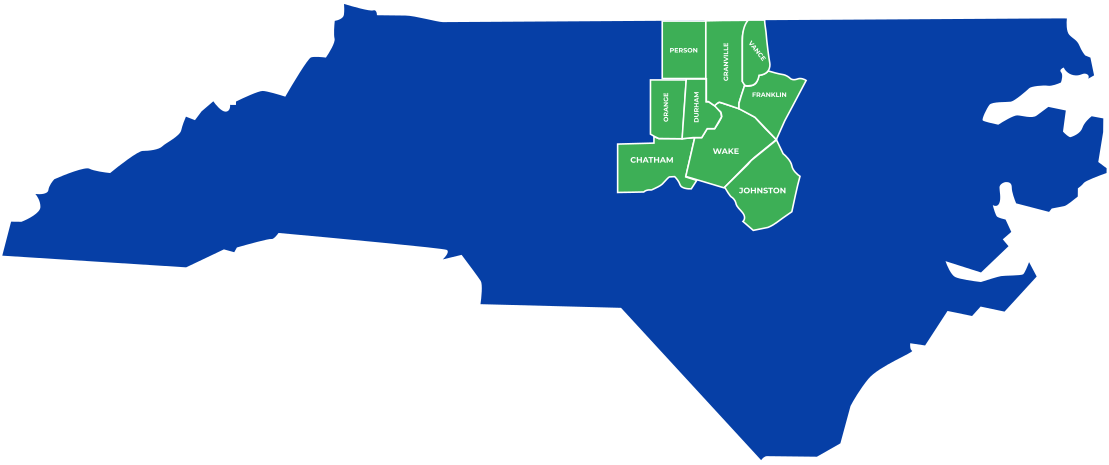

Capability to meet virtually to help all NC residents