Whether you can stop probate once it has started depends on why you want to stop it. If probate was opened but turns out to be unnecessary, or a simpler path fits better, there are ways to wind it down or switch approaches. What you generally cannot do is abandon an estate that genuinely needs administering. The key is knowing which situation you are actually in.
Why Probate Gets Started in the First Place
Probate is the court-supervised process of settling a person’s estate. It gets opened so that someone has legal authority to gather assets, pay valid debts, and transfer property to the right people. Sometimes, though, a family opens probate and then realizes it may not have been needed, or that a simpler route exists.
Common reasons people want to stop or change course include:
- They discover most assets pass outside probate anyway
- The estate turns out to be small enough for a simplified process
- Assets were held in a trust and do not need probate
- The family realizes formal administration is more than the situation requires
In these cases, the question is less about stopping probate and more about matching the process to what the estate actually needs.
When Probate May Not Be Needed
Many assets do not require probate at all. If it turns out the estate is made up mostly of these, formal administration may be unnecessary. Assets that typically pass outside probate include:
- Property owned jointly with right of survivorship
- Accounts with payable-on-death or transfer-on-death beneficiaries
- Life insurance and retirement accounts with named beneficiaries
- Assets held in a living trust
If nearly everything falls into these categories, the family may not need full probate. Learning what actually has to go through probate often reveals that less court involvement is required than the family first assumed.
Switching to a Simplified Process
North Carolina offers streamlined options for smaller estates, and sometimes the right move is to shift to one of them rather than continue full administration. Two common paths are:
- Collection by affidavit (small estate). Available when the personal property is worth $20,000 or less, or $30,000 or less if the surviving spouse is the sole heir. This replaces full administration with a much simpler filing.
- Summary administration. Available when the surviving spouse is the sole beneficiary and agrees to assume the estate’s debts.
If the estate qualifies, moving to one of these can be far less work than full probate. Whether you can switch after starting depends on the specifics, so it is worth confirming with the clerk of superior court or an attorney.
Closing an Estate That Is Finished
Sometimes people say they want to “stop” probate when what they really want is to finish and close it. If the administration is essentially done, the goal is to complete the final steps and close the estate properly rather than leaving it open. That involves:
- Confirming debts and taxes are paid
- Distributing the remaining assets
- Filing a final accounting with the clerk
- Obtaining the clerk’s approval to close
Closing an estate the right way is different from abandoning it. A clean closing gives the family finality and releases the personal representative from further duty. Knowing how the process winds down helps set expectations.
What You Cannot Simply Do
It is worth being clear about the limits. If an estate genuinely needs administration, you cannot just walk away from it. Ignoring an estate that has real assets, debts, or property to transfer creates problems rather than solving them:
- Debts and claims still need to be addressed
- Assets still need to be transferred to the right people
- Title to property stays unclear until it is handled
- A personal representative who has qualified has ongoing duties
If a personal representative can no longer serve, the answer is usually to resign through the proper process so a successor can take over, not to abandon the role. The estate still needs someone accountable.
When a Personal Representative Needs to Step Down
If the person handling the estate wants out, there is a proper path. Rather than stopping the estate, they can step down and let someone else continue. This generally involves:
- Notifying the clerk of superior court
- Accounting for what has been done so far
- Allowing a successor to be appointed
- Transferring records and estate property to the successor
This keeps the estate moving under someone accountable. It is a change of hands, not an end to the process. Handling it properly protects the departing representative.
Talk to the Clerk or an Attorney Before Switching
If you think a simpler path fits your situation better, the practical next step is to confirm it before changing course. Whether you can move from full administration to a small estate process, or wind things down, depends on the specific facts. A quick check prevents missteps. Useful questions to sort out include:
- Does the estate actually qualify for a simplified process?
- Have any steps already been taken that affect switching?
- What does the clerk of superior court require to change course?
- Are there debts or claims that still need handling first?
Do Not Just Let It Sit
The one approach that rarely works is doing nothing. An estate left half-open, with assets untransferred and debts unaddressed, tends to create bigger problems over time. Title stays clouded, deadlines can be missed, and the family is left in limbo. If the current path is not right, the answer is to switch to a better one or close properly, not to walk away. Handling it deliberately protects everyone involved.
Matching the Process to the Estate
The real question behind “can you stop probate” is usually whether the process fits the estate. Sometimes the answer is to switch to a simpler path, sometimes it is to finish and close, and sometimes full administration is genuinely needed. Our attorneys can help you figure out which situation you are in and take the right next step.
If you have opened probate and are wondering whether it is the right path, our attorneys can help you sort it out.
Contact us to get started.
Author Bio
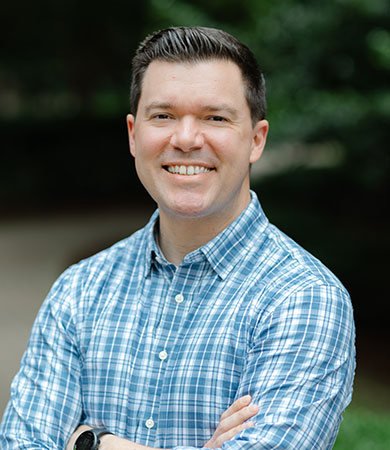
Paul Yokabitus
Founder & Estate Planning Lawyer
Paul Yokabitus is the founder of Cary Estate Planning, where he helps North Carolina families protect what matters most through wills, trusts, probate, and special needs planning. Known for his “planning, not paperwork” approach, Paul turns complex legal concepts into clear, practical strategies so clients feel informed and confident at every step. He has been recognized as a Business North Carolina Legal Elite attorney and a Super Lawyers Rising Star, and was named to the Triangle Business Journal’s 40 Under 40. A graduate of Campbell University School of Law, Paul lives in the Triangle with his wife, Alix, and their two sons.
Linkedin | Avvo | SuperLawyers







How We Help North Carolina Families


Paul and his team at Cary Estate Planning are fully committed to creating a personalized experience to develop thorough and comprehensive estate plans. They value their clients and go above and beyond to make sure that no details are missed. I would highly recommend Paul to anyone looking to create an estate plan.

I was referred to Paul by my Real Estate Attorney and I could not say enough about how exceptional the client service has been from everyone I spoke to. The communication is prompt and I feel like they really took the time to answer all my questions and set things up exactly as I wanted, but also recommended things to make it easier on my family down the line.
After attending one of Paul’s estate planning seminars, my husband and I knew we wanted Paul to assist us with our estate planning. His honest, professional approach to this necessary part of life put us at ease with the process. We will continue to recommend Paul and Cary Estate Planning.

We had a great experience working with Paul Yokabitus and the team at Cary Estate Planning to set up our Will and Estate Plan. The process was clear and easy, and in the age of COVID, our signing session was very well done, easy, and safe.
The Cary Estate Planning team will make sure that you have the information you need to be confident in your estate planning decisions. I learned so much from videos, a one-on-one in-person consultation, the website, emails, and a newsletter mailed the old fashioned way. The fee is very reasonable given the importance of estate planning. No matter the size or number of your assets, don’t procrastinate like I did!

Paul is a masterful attorney. He’s very good at taking your intentions and defining that into a durable Trust and Will. Best of all he is as simple and plain-spoken as you like. Or as fast as intellectual as you may be. It’s all about your your speed and your desired outcomes. Would strongly recommend this firm.
Trusted Estate Planning
Attorney Offices in Cary and Raleigh
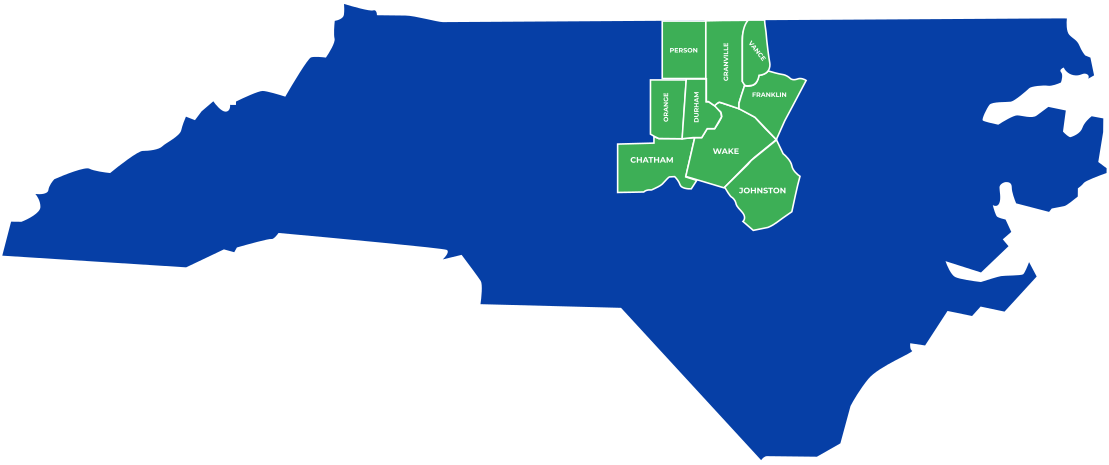

Capability to meet virtually to help all NC residents