
When can income in a trust be countable to the beneficiary even when the income is not distributed?
If it’s a self-settled trust (first-party), any portion of the income that could be distributed under any circumstances to the beneficiary will be counted as income, as well as anything actually distributed. If it’s a third party trust that is not an available resource to the beneficiary, it will only be the actual disbursement from the trust to the beneficiary that will count as income to the beneficiary.
What about distributions actually made?
Any distribution from the trust to a “public benefits beneficiary” has to be evaluated under the income rules to determine if it will have an impact on the beneficiary’s benefits. There are four (4) different types of distributions:
1. Cash Distributions
Cash distributions from the trust will always be counted as income. They is usually not a great reason to give cash distributions to beneficiaries because it amounts to a dollar for dollar reduction in their monthly SSI benefit. Retained income can become an available asset if held too long.
2. Distributions that will count as an asset the month following the month of receipt
This will normally take the form of an asset like a second vehicle, second home, or other types of countable assets that would be considered an available resource to the beneficiary’s eligibility if they were to apply for Medicaid or SSI. If it’s countable next month, it’s income this month.
3. Distributions for food and shelter
Distributions for food and shelter are considered “In-Kind Support and Maintenance” or ISM. They are evaluated under a separate ISM income rule (which will be the subject of the next blog post). If it is not food and/or shelter, it is not ISM. Generally speaking, ISM distributions can result in a 1/3 reduction in the beneficiary’s SSI benefit regardless of the amount of the ISM.
4. Distributions that are neither (2) nor (3)
This could be things like clothing, medical services, therapy, entertainment, computer equipment, etc. If it’s not ISM, and it’s not an available asset, it’s not going to count against the beneficiary and it’s not going to supplant the public benefits of the beneficiary.
Medicaid income rules generally piggyback the SSI income rules, but Medicaid is less restrictive (and no more restrictive) than SSI in terms of its income limits.
Look for further info on income and assets in future blog posts.
Author Bio
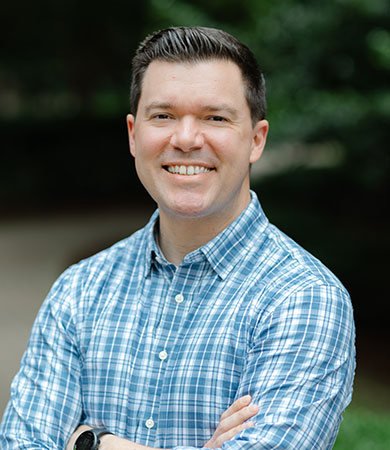
Paul Yokabitus
Founder & Estate Planning Lawyer
Paul Yokabitus is the founder of Cary Estate Planning, where he helps North Carolina families protect what matters most through wills, trusts, probate, and special needs planning. Known for his “planning, not paperwork” approach, Paul turns complex legal concepts into clear, practical strategies so clients feel informed and confident at every step. He has been recognized as a Business North Carolina Legal Elite attorney and a Super Lawyers Rising Star, and was named to the Triangle Business Journal’s 40 Under 40. A graduate of Campbell University School of Law, Paul lives in the Triangle with his wife, Alix, and their two sons.
Linkedin | Avvo | SuperLawyers







How We Help North Carolina Families





Paul and his team at Cary Estate Planning are fully committed to creating a personalized experience to develop thorough and comprehensive estate plans. They value their clients and go above and beyond to make sure that no details are missed. I would highly recommend Paul to anyone looking to create an estate plan.
I was referred to Paul by my Real Estate Attorney and I could not say enough about how exceptional the client service has been from everyone I spoke to. The communication is prompt and I feel like they really took the time to answer all my questions and set things up exactly as I wanted, but also recommended things to make it easier on my family down the line.
After attending one of Paul’s estate planning seminars, my husband and I knew we wanted Paul to assist us with our estate planning. His honest, professional approach to this necessary part of life put us at ease with the process. We will continue to recommend Paul and Cary Estate Planning.

We had a great experience working with Paul Yokabitus and the team at Cary Estate Planning to set up our Will and Estate Plan. The process was clear and easy, and in the age of COVID, our signing session was very well done, easy, and safe.

The Cary Estate Planning team will make sure that you have the information you need to be confident in your estate planning decisions. I learned so much from videos, a one-on-one in-person consultation, the website, emails, and a newsletter mailed the old fashioned way. The fee is very reasonable given the importance of estate planning. No matter the size or number of your assets, don’t procrastinate like I did!

Paul is a masterful attorney. He’s very good at taking your intentions and defining that into a durable Trust and Will. Best of all he is as simple and plain-spoken as you like. Or as fast as intellectual as you may be. It’s all about your your speed and your desired outcomes. Would strongly recommend this firm.
Trusted Estate Planning
Attorney Offices in Cary and Raleigh


Capability to meet virtually to help all NC residents